

Shop 'Living Stones – Lithops’ For Sale - Planet Desert

Living Stones - Lithops Plant
Read MoreExplore our collection of lithops, also known as living stones. These unique succulent plants are part of the Lithops genus, and they're also called pebbles plant or living rock plants because they resemble small pebbles or rocks. These Lithops plants have a fascinating camouflage adaptation that protects them from predators. Lithops living stones are low-light succulents, meaning they can thrive in areas with limited sunlight. Learn more about these fascinating living stone plants by scrolling down to the bottom of the page.


Lithops Plants Key Feature
- Camouflage: Lithops living stone plants have evolved to resemble stones or pebbles, allowing them to blend in with their surroundings as a form of protection from predators.
- Leaf Pairing: These Lithops plants typically have two thick, fleshy leaves that are fused together at the base, forming a cleft or slit at the top. This leaf pairing helps Lithops succulents conserve water.
- Mimicry: Some lithops species have patterns and markings on their leaves that mimic the texture and color of rocks, further enhancing their camouflage.
- Flowering: Living stones succulents can produce beautiful, daisy-like flowers in various colors, including shades of white, yellow, pink, and orange. The Lithops flowers typically appear in the center cleft of the leaf pair.
- Low Light Tolerance: Lithops plants are adapted to survive in environments with limited sunlight, making them ideal for indoor spaces or areas with lower light conditions.
Lithops Plant Care
When it comes to caring for Lithops, these living stones are relatively low-maintenance succulents, making them ideal for gardeners of all skill levels.
Quick Reference

Bloom Season

Flower Color

Growth Rate
Hardiness Zone
Mature Size
Plant Type

Sun Exposure

Toxicity

Watering Needs
Watering Needs
When it comes to watering lithops, moderation is key. These living stones have a special way of storing water in their leaves, so they don't require frequent watering like other succulents. In fact, overwatering can be detrimental to your Lithops living stones health. Instead, it's best to mimic their natural habitat by providing a period of dryness between waterings. Wait until the soil is completely dry before giving them a good soak. During the active growing season, which is usually in spring and autumn, you can water them a bit more often. Keep an eye on their leaves and adjust your watering schedule accordingly.
Light Requirements
Lithops, or living stones, have specific light requirements to thrive. These fascinating Living stone succulents prefer bright, indirect light for at least 4-6 hours a day. They can tolerate some direct sunlight, especially during the morning or late afternoon when it's less intense. However, it's important to avoid exposing them to intense, scorching sunlight for long periods as it can damage their leaves. If you're growing them indoors, placing them near a south-facing window or providing them with bright artificial light can work well.
Optimal Soil & Fertilizer Needs
When it comes to soil and fertilizer for lithops, it's important to provide them with well-draining soil. You can also create your own by combining regular potting soil with coarse sand or perlite to improve drainage. Instead, make or buy a well-draining potting mix, or ideally use our specialized succulent potting mix that contains 5 natural substrates and mycorrhizae to promote the development of a strong root system that helps your succulent to thrive. This helps prevent waterlogged roots, which lithops succulents don't like.
As for fertilizer, these living stone plants have low nutrient requirements. It's generally recommended to avoid fertilizing lithops during their dormant period, which is usually in summer. If you do fertilize, use a diluted, balanced (5-10-5) fertilizer specifically formulated for succulents, and only apply it during their active growing season in spring and autumn. Remember, less is more when it comes to feeding lithops.
Hardiness Zones & More
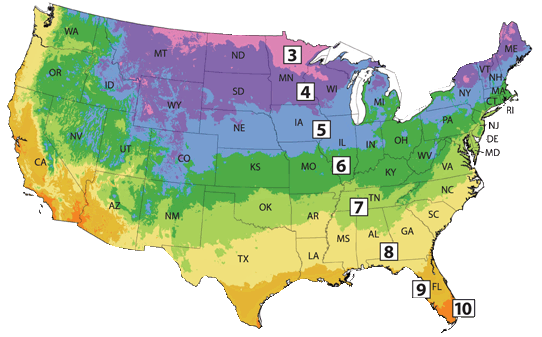
Lithops living stones are generally hardy in USDA Hardiness Zones 9-11. If you are planting lithops indoors, they prefer warm temperatures and can tolerate temperatures between 50°F and 85°F. It's important to protect your living stones from frost and cold temperatures, as they are not frost-tolerant. As for humidity, lithops are native to arid regions and prefer low to moderate humidity levels. Your living stone succulents can handle dry air, but it's important to provide good airflow to prevent excessive moisture around the Lithops. Remember to adjust their environment accordingly to keep them comfortable.
The Bottom Line
Overall, the Lithops (living stones plant) are low-maintenance succulent plants. With their unique appearance and ability to mimic stones, they add a touch of intrigue to any plant collection. From their watering needs and light requirements to their optimal soil and fertilizer preferences, these living stone plants are known for their low maintenance and ability to thrive in harsh conditions. It's important to provide them with well-draining soil, bright but indirect light, and a watering schedule that mimics their natural habitat. So, whether you're captivated by lithops or exploring other low-light succulents, there's a wide world of unique Lithops plants for sale to discover and enjoy!
Other popular low-light succulent genus types include Haworthia and Gasteria.