

Shop 'Types of Peperomia Plants' Care and Growing Guide | Planet Desert

Peperomia Plants for Sale
Read MoreExplore our collection of Peperomia, also known as radiator plants. These Peperomia plants are known for their unique and eye-catching foliage, which comes in a variety of shapes, sizes, and colors. From heart-shaped leaves to round, waxy leaves, and even variegated Peperomia patterns, each Peperomia plant offers a wide range of visual appeal. The Peperomia plants are slow-growing, easy to care for, suitable for year-round planting, and are considered air-purifying plants. At the bottom of the page, discover and learn more about the Peperomia plants care in detail.


Peperomia Plants Key Features:
Here are some main key features of the varieties of the Peperomia plants:
- The stems of peperomia plants are typically fleshy, which helps them retain water and withstand periods of drought. This feature also makes them resilient and adaptable to different growing conditions.
- When grown as houseplants, peperomia rarely blooms, but they do occasionally. The flowers of peperomia plants are often small and inconspicuous, with greenish or white hues. While the Peperomia flowers may not be the main attraction, they add a subtle beauty to the overall appearance of the plant.
- The leaves of peperomia plants are where they truly shine! They come in a wide range of shapes, including heart-shaped, round, oval, and even elongated. The leaves can be smooth or textured, and many species have striking variegated patterns, with colors ranging from vibrant greens to shades of red, silver, and cream.
- When it comes to propagation, peperomias can be easily propagated through stem cuttings. With proper Peperomia care, simply take a healthy stem cutting, remove the lower leaves, and place it in a well-draining soil mix.
- They also have a reputation for being low-maintenance, which is great for busy plant lovers. Peperomias typically prefer moderate light conditions, and they don't require frequent watering. Just be sure to let the soil dry out slightly between waterings to avoid overwatering.
- Like many other houseplants, peperomias have air-purifying qualities. The Peperomia plant can help improve indoor air quality by filtering out toxins and releasing oxygen. Having these plants in your space not only adds beauty but also contributes to a healthier environment.
Peperomia Plant Care
When it comes to caring for Peperomia plants, keep the following points in mind:
Quick Reference

Bloom Season

Flower Color

Growth Rate
Hardiness Zone
Mature Size
Plant Type

Sun Exposure

Toxicity

Watering Needs
Watering Needs
When it comes to watering peperomia plants, it's important to find the right balance. The several types of Peperomias prefer slightly drier conditions, so you don't want to overwater them. Before watering again, let the top inch of soil dry out. It's better to underwater than to overwater, as your Peperomia plants are susceptible to root rot if their roots sit in soggy soil for too long. When you do water, make sure to water thoroughly, allowing the water to soak through the soil and drain out of the bottom of the pot. Remember, it's always a good idea to check the moisture level of the soil before reaching for that watering can.
Light Requirements
When it comes to light requirements for your Peperomia plants, they generally prefer moderate to bright indirect light. If grown indoors, they thrive in bright but filtered light conditions, such as near a window with a sheer curtain or a few feet away from a sunny window. If you are growing your Peperomia plant outdoors, avoid placing them in direct sunlight for prolonged periods, as it can scorch their leaves. However, if you notice your Peperomia plant leaves becoming leggy or stretching toward the light, it might be an indication that they need a bit more brightness. So, find that sweet spot where they get enough light to thrive, but without direct exposure.
Optimal Soil & Fertilizer Needs
Peperomia plants prefer well-draining soil that retains some moisture but doesn't get overly soggy. Planet Desert specializes in succulents and has specialized succulent potting soil that includes an organic substrate with mycorrhizae to help with the growth of a healthy root system to help your Peperomia succulents thrive. As for fertilizer, Peperomia plants don't require heavy feeding. A balanced (5-10-5), water-soluble NPK fertilizer diluted to half strength is usually sufficient. Feed your peperomia once a year during the growing season (spring) and stop fertilizing during the winter months when growth slows down. Remember, it's always a good idea to follow the specific instructions for the best results.
Hardiness Zones & More
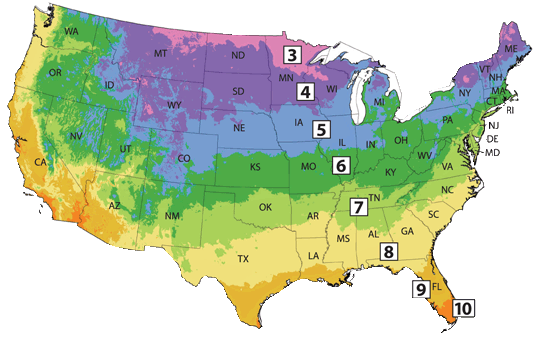
When grown indoors, your Peperomia plant prefers a temperature range of 65-75°F. They also appreciate moderate humidity levels, around 40-50%. If the air in your home is dry, especially during the winter months, you can increase humidity by using a humidifier or placing a tray of water near your peperomia plants. Remember, maintaining a cozy and comfortable environment will keep your peperomias happy and healthy. If you are living in USDA zones 10-12, you can grow them outdoors year-round. They thrive in warmer climates where temperatures don't drop below 30°F.
The Bottom Line
Overall, the Peperomia plant (Radiator plant) is a diverse and fascinating genus type of epiphytic succulent that brings beauty and charm to any space. With their unique foliage, ranging from heart-shaped to round leaves, and even variegated patterns, they offer a wide range of visual appeal. The fleshy stems and easy propagation through stem cuttings make them resilient and perfect for plant enthusiasts of all levels. They are relatively easy to care for, enjoying moderate to bright indirect light and well-draining soil. Remember to provide them with a balanced, diluted fertilizer during the growing season and maintain a temperature range of 65-75°F with moderate humidity. While they prefer warmer climates in hardiness zones 10-12, they can also thrive as indoor plants in other regions. Whether you're looking for a low-maintenance indoor plant or a statement piece for your garden, Peperomias has got you covered.
Other popular cactus genus types include Rhipsalis, Opuntia, and Echinocactus.