

Shop 7 Types of Snake Plants 'Sansevieria' - Planet Desert

Types of Snake Plants 'Sansevieria'
Read MoreBelow you can explore our amazing Sansevieria varieties. Not only are they visually appealing, but Sansevieria plants are easy to care for and have air-purifying qualities. At the bottom of the page, you will learn and discover more about these incredible snake plants.


Snake Plant Sansevieria Key Features:
- The leaves of Sansevieria plants are long, upright, and come in a variety of shapes and patterns. They can be cylindrical, spear-shaped, or even fan-shaped, adding visual interest to the plant.
- The Sansevieria flowers are typically small, tubular, and can be white, greenish-white, or even pinkish in color. While Sansevieria plants are primarily grown for their foliage, they do produce flowers under certain conditions.
- Propagating snake plants is simple: by dividing the plant's rhizomes or taking leaf cuttings.
- The air-purifying qualities of Sansevieria give them the ability to remove toxins like formaldehyde, benzene, and xylene from the air. They can help improve indoor air quality and create a healthier living environment.
- The low-maintenance and pest-resistant nature of Sansevieria makes them hassle-free to maintain: If you're looking for a plant that requires minimal care, snake plant succulent is a great choice.
Snake Plant Care
When it comes to Sansevieria care, you should follow these points for healthy growth:
Quick Reference

Bloom Season

Flower Color

Growth Rate
Hardiness Zone

Mature Size

Plant Type

Sun Exposure

Toxicity

Watering Needs
Watering Needs
When it comes to snake plant watering, they prefer drier soil, so overwatering can cause root rot. During the growing season, typically spring and summer, water sparingly, once every two to three weeks, and adjust as necessary based on the needs of the plant. Overwatering can lead to root rot, so underwater watering is better.
Light Requirements
Sansevieria plants are versatile, thriving in both bright and low-light environments. They thrive in bright indirect light but grow slower in low light. Avoid direct sunlight for prolonged periods, as it can scorch leaves. Overall, your snake plants can thrive in sunny spots or cozy corners.
Optimal Soil & Fertilizer Needs
Sansevieria snake plants prefer a well-draining mix, such as succulent soil, with perlite or coarse sand for improved drainage. Use a natural NPK fertilizer, with an equal amount of 5-10-5, once a year in the spring during the growing season. Avoid overfertilization to avoid leaf burn.
Hardiness Zones & More
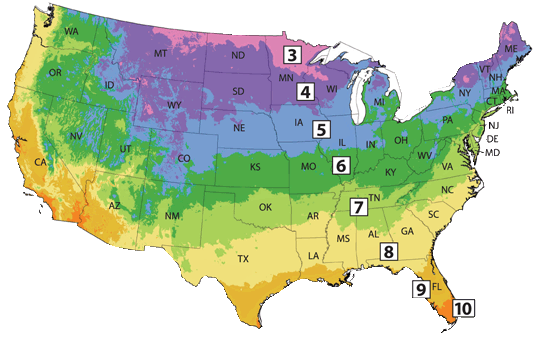
Sansevieria snake tongue plants are USDA hardy in zones 9–12, preferring temperatures between 60 and 85 °F. They are tolerant of humidity levels, thriving in both low and higher conditions. Maintaining a comfortable room temperature is sufficient for their growth.
The Bottom Line
Overall, Snake plants are known for their tall, upright leaves, their hardiness, and easy low-maintenance care. These mother-in-law plants are low-maintenance plants that can tolerate various lighting conditions, making Snake Plants Sansevierias perfect for both beginner and experienced plant enthusiasts. Additionally, Sansevieria Snake Plants are known to be hardy and can withstand periods of neglect or underwatering.
Other popular succulent genus types include Echeveria, Crassula, and Haworthia.