


50 Types of Agave Plants for Sale - Planet Desert


Agave Plants Key Features:
- Agave leaves are thick, fleshy, and colorful, with sharp spines or teeth. They store water in their leaves, a remarkable feature of agave plants, which can also have beautiful patterns.
- Agave flowers are a stunning sight on inflorescences, bloom once in their lifetime, taking several years or decades, and can range from yellow to red.
- Agave succulents produce rosettes, tight clusters of leaves growing in a circular pattern, ranging in size from compact to large and impressive.
- To propagate agave plants; simply do this by offsets or pups. These pups can be separated and replanted to propagate new agave plants.
- Agave plants, particularly Agave americana, have medicinal properties, including antibacterial and anti-inflammatory properties in their sap, agave nectar, or agave syrup.
- Agave is often mistaken for Agave cactus, but in reality, it is a type of succulent with leaves, unlike cacti, which lack leaves. All cacti are succulents, but not all succulents are cacti.
- A few varieties of agave produce edible fruits. These enormous fruits, sometimes known as agave hearts or pinas, can weigh up to several pounds. The sweet, succulent flavor of agave fruits is frequently compared to honey or caramel.
- The blue agave, in particular, is the star of the show when it comes to 100 agave tequila production.
Agave Plants Care
When it comes to Agave plant care; they require minimal care and are well-suited for low-maintenance gardens.
Quick Reference

Bloom Season

Flower Color

Growth Rate
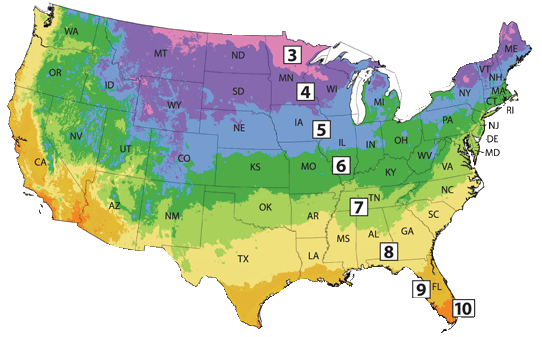
Hardiness Zone

Mature Size
Plant Type

Sun Exposure

Toxicity

Watering Needs
Watering Needs
Agaves are drought-tolerant plants that prefer well-draining soil. To water them, it's best to water deeply and allow the soil to dry between waterings. Overwatering agaves can prevent root rot and keep them healthy. It's better to underwater than overwater, so give them a sip when they're thirsty.
Light Requirements
Agave succulents thrive in bright, sunny locations with at least 6 hours of direct sunlight daily. They can handle intense heat, but some agave varieties may need shade during the hottest part of the day. Ensure they receive plenty of sunshine for their growth.
Optimal Soil & Fertilizer Needs
Agaves prefer well-draining, sandy, or loamy soil, with perlite or gravel for improved drainage. They can thrive in poor soil conditions, but a slow-release, low-nitrogen fertilizer applied sparingly in the spring can provide some boost. Moderation is key when feeding agave plants, as they prefer well-draining soil.
Hardiness Zones & More
Agave plants are hardy and can tolerate various temperatures, thriving in USDA hardiness zones 5 to 11, but some varieties can handle colder zones with protection. They prefer warm temperatures between 65°F and 90°F and can tolerate low humidity levels but should be protected from frost in colder zones.
The Bottom Line
Overall, Agave plants are truly remarkable and have captivated people for centuries. With their striking rosette-shaped leaves and unique growth patterns, they add a touch of natural beauty to any landscape. The blue agave, in particular, is the star of the show when it comes to 100 agave tequila production. Its heart, known as the piña, is harvested and transformed into this popular Mexican spirit. So, whether you're admiring their aesthetic appeal or enjoying a delicious margarita, agaves are sure to leave a lasting impression.
The Most popular varieties of kalanchoe are Agave blue glow, Century plant and blue agave.
Other popular succulent genus types include Kalanchoe, Yucca, and Peperomia.