

Types of ‘Cotyledon Succulents’ for Sale Online | Planet Desert

Cotyledon Succulents
Read MoreExplore our collection of low-maintenance Cotyledon genus plants, each with its own distinct characteristics. Cotyledon species have thick, succulent leaves shaped like spoons or paddles, which not only visually impress but also maximize sunlight absorption, enabling Cotyledon plants to efficiently photosynthesize and thrive in their natural habitats. At the bottom of the page, you can find more information on the characteristics of this diverse cotyledon genus.


Cotyledon Plant Key Features:
- The leaves of cotyledon succulents are typically thick, and fleshy, and often have an interesting round-chubby shape and elongated to pointed textures.
- The flowers of cotyledon succulents often bloom in clusters, displaying vibrant colors like shades of pink, orange, or yellow.
- To propagate your cotyledon easily from leaf or stem cuttings, making them a great choice for plant enthusiasts looking to expand their succulent family.
- The cotyledon genus exhibits a variety of leaf shapes, including spoon-shaped, finger-like, and tubular.
- These Cotyledon succulent plants are generally easy to grow and require low-maintenance care.
Cotyledon Succulent Care
Cotyledon plants are relatively easy to care for. You should keep in mind the following few things that aid in maintaining the health of your cotyledon succulents.
Quick Reference

Bloom Season

Flower Color

Growth Rate
Hardiness Zone

Mature Size
Plant Type

Sun Exposure

Toxicity

Watering Needs
Watering Needs
When it comes to watering your Cotyledon plant, it is recommended to water it more frequently in the spring and summer and less frequently in the dormant seasons. Allow the soil to dry out between waterings, as overwatering can lead to root rot.
Light Requirements
Cotyledon succulents thrive in full sun to partial shade for 4-6 hours of a day but avoid direct sunlight to prevent scorching. If they don't get enough light, they might lean toward it, indicating that they need more sun exposure. Find the right balance of light for their health and happiness.
Optimal Soil & Fertilizer Needs
Succulents, including cotyledons, require well-draining soil with easy water flow. Mix formulated for cotyledons or create your own. During the growing season in the spring, you can fertilize your Cotyledons with a balanced succulent fertilizer once a year. With proper soil and occasional feeding, cotyledons thrive. Prune any leggy or damaged growth to maintain a compact shape.
Hardiness Zones & More
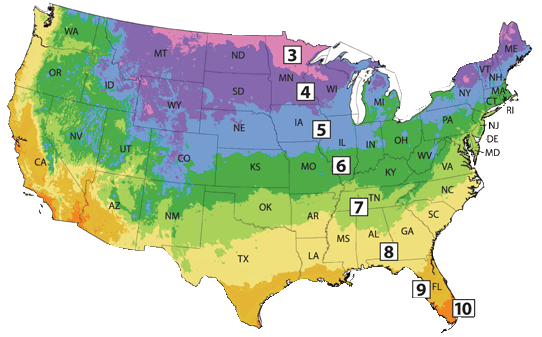
The Cotyledon succulent plants thrive in zones 9-11 but can thrive in lower zones with proper protection. They can tolerate dry conditions, but excessive moisture can be sensitive. Keep an eye out for common pests like mealybugs and treat them promptly if needed. With proper care, your Cotyledon plants will flourish and add beauty to your space.
The Bottom Line
Overall, the Cotyledon succulents are a popular choice because of their unique leaf shapes and vibrant colors. They thrive in bright light and well-draining soil, requiring minimal water. Whether a beginner or a seasoned plant pro, these cotyledon plant beauties can add flair to indoor gardens or desks, making them a great addition to any space. Trust me, you won't be disappointed!
Other popular succulent genus types include Dracaena, Graptopetalum, and Delosperma.