

Shop Varieties of Haworthia Succulents Online at Planet Desert

Types of Haworthia Succulents
Read MoreBelow, explore our incredible collection of Haworthia, also known as zebra cactus; which is a large genus of slow-growing, fleshy green Haworthia succulents with white pearly warts. For every succulent lover, two of the most popular varieties are compact Haworthia fasciata and translucent Haworthia cooperi. At the bottom of the page, you can find more information about these zebra plant succulents.


Haworthia Key features:
- The leaves of the Haworthia succulents are rosette-shaped; and grow in a compact manner.
- Haworthia zebra plants come in a wide range of shapes, sizes, and patterns, including windowed leaves and distinctive raised ridges.
- Haworthia plants are relatively small in size, making them perfect for indoor spaces or small gardens.
- To propagate your slow-growing zebra haworthia plant, use offsets or leaf cuttings.
- Haworthia flowers are small and delicate, adding a touch of charm to these unique succulents.
Haworthia Care
When it comes to Haworthia succulents plant care, keep the following points in mind:
Quick Reference

Bloom Season

Flower Color

Growth Rate
Hardiness Zone

Mature Size
Plant Type

Sun Exposure

Toxicity

Watering Needs
Watering Needs
Watering Haworthia succulents is crucial for their growth and health. They prefer drier soil, so it's best to let it dry between waterings. During spring and summer, water Haworthias every two to three weeks, while in fall and winter, reduce watering to once a month or less. Overwatering is better for these resilient zebra Haworthia plants.
Light Requirements
Haworthia succulents thrive in full sun to partial shade avoiding direct sunlight for extended periods that can cause leaf burn or browning. These zebra succulents should be kept in a gentle, filtered environment, with no excessive light. If leaves turn yellow or pale, they need more sun exposure.
Optimal Soil & Fertilizer Needs
Haworthia zebra plants prefer well-draining soil, either from cactus or succulent mix or creating their own mix. Use a natural fertilizer with an equal mix of NPK (5-10-5) once a year during the growing season in the spring. Avoid over-fertilization to prevent salt buildup and damage to the zebra succulent.
Hardiness Zones & More
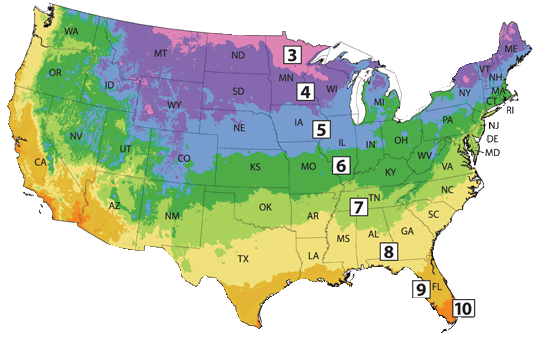
Haworthia zebra succulents thrive in USDA hardiness zones 9–11, preferring 65–80°F daytime and slightly cooler nighttime temperatures. They tolerate low to moderate humidity, and good air circulation is crucial for their growth. To keep them in shape and get rid of any dead or damaged sections, prune them occasionally.
The Bottom Line
The Haworthia succulents have a unique charm with their compact rosette-shaped leaves and fascinating patterns. They're super easy to care for, making them perfect for both experienced zebra succulent parents and beginners. These zebras Haworthia thrive in bright but indirect light and only need occasional watering. With their ability to tolerate dry conditions, they're ideal for those who tend to forget to water their zebra plant Haworthia. Whether you're looking to add some greenery to your desk or create a succulent garden, Haworthias are a fantastic choice.
Other popular succulent genus types include Sansevieria, Echeveria, and Kalanchoe. With such a wide variety of succulents genus types to choose from, you can create a diverse and captivating collection that suits your personal style and preferences.