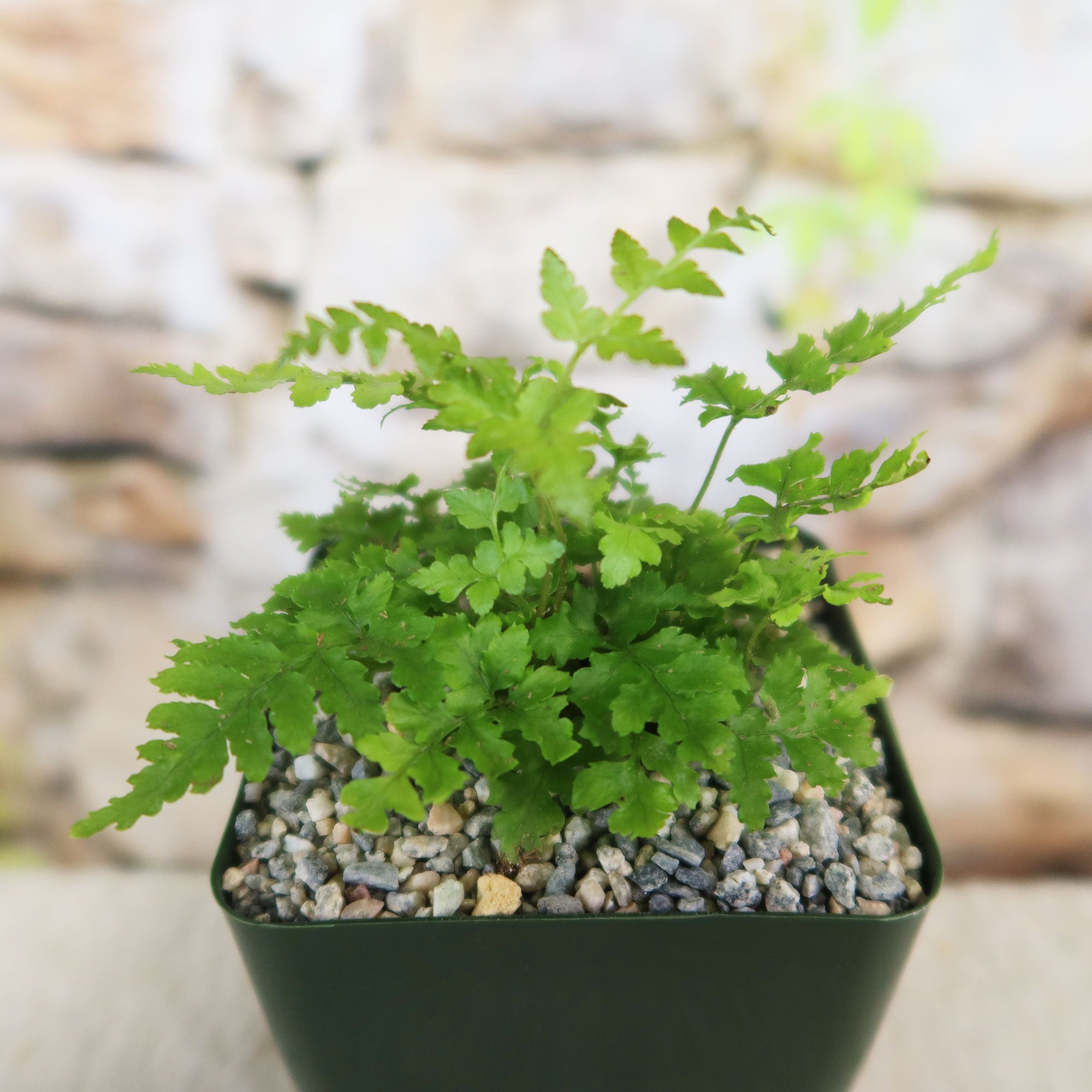
The Autumn Fern, also known as Dryopteris erythrosora, makes a beautiful and unique houseplant, prized for its cold-hardy nature and graceful, arching foliage. This clump-forming, semi-evergreen fern thrives in shaded indoor spaces, adding a soft, natural elegance to any setting.
In autumn, it produces stunning new fronds in rich coppery-red to bronze tones that gradually mature into glossy dark green, creating a dynamic and ever-changing display. The young fronds may appear slightly pink at first, but rich copper hues soon develop, eventually transitioning into vibrant green as the season progresses.

Native to Eastern Asia, the Autumn Fern is also known as Japanese Shield Fern, Shaggy Shield Fern, or Copper Shield Fern.
It gets its name from its ability to produce fresh new growth during the autumn season, adding unique seasonal interest even in shaded areas where most plants remain unchanged.
The Autumn fern plant has finely divided, glossy fronds that emerge in coppery hues and mature into rich green, creating a layered, textured appearance.
It is a moderate grower and can grow up to 2 feet tall and 2 feet wide, forming a compact, rounded clump that works well as a ground cover or accent plant.
Its soft, arching foliage adds texture and elegance, making it a popular choice for both gardens and as a beautiful houseplant.
Unlike flowering plants, Autumn Fern does not produce traditional blooms. Instead, it reproduces via spores found on the underside of its fronds. While it lacks flowers, its ever-changing foliage color and delicate texture provide year-round ornamental interest, especially in shaded settings.
One of the most unique features of this fern is its seasonal new growth, which emerges in autumn with a rich coppery color before gradually maturing to green. This distinctive flush of warm, autumn-toned foliage is what inspired its common name, hence the name Autumn Fern. It is also relatively cold-hardy compared to many ferns, making it suitable for a wider range of climates.
When and How to Water Your Autumn Fern
Autumn Fern prefers consistently moist soil but can handle short dry spells better than many other ferns once established. Its thicker, leathery fronds help retain moisture, allowing the plant to tolerate brief periods of dryness without immediate stress. However, it should not be left completely dry for extended periods, as prolonged dryness can lead to browning fronds and reduced growth. At the same time, it does not tolerate wet, soggy soil, so good drainage is essential to keep the roots healthy.
Your Autumn Fern plant should be watered every 5–7 days during the growing season (March–September) and every 10–14 days during the dormant season (October–February), keeping the soil evenly moist but not soggy.
In spring and summer, focus on maintaining steady moisture, as active growth and warmer temperatures increase water needs and support healthy frond development.
In fall and winter, reduce watering slightly and allow the top layer of soil to dry a bit between waterings, taking care not to overwater while the plant’s growth slows.
Light Requirements – Where to Place Your Autumn Fern Plant

When growing indoors, Autumn Fern grows best in bright, indirect light for about 4–6 hours per day, away from direct sun exposure.
A north- or east-facing window is ideal, as harsh sunlight can cause leaf burn and fading.
When growing outdoors, the Autumn Ferns should be placed in partial to full shade, receiving 1–3 hours of gentle morning sunlight or filtered light throughout the day.
It performs especially well under trees or in shaded garden beds where it is protected from intense afternoon sun.
Optimal Soil & Fertilizer Needs
Autumn Fern prefers rich, well-draining soil that retains moisture and benefits from light NPK fertilization once a year in spring. Planet Desert has specialized potting soil that includes an organic substrate with mycorrhizae to help with the growth of a healthy root system, to help your succulents thrive. As an okay alternative, you can create your own potting mix by combining equal portions of perlite, coarse sand, and good natural potting soil.
Fertilize your autumn fern once a year in the spring with a balanced NPK fertilizer in a ratio of (5-10-5) to promote lush foliage growth. Avoid heavy feeding, as ferns are sensitive to excess nutrients. Do not fertilize during the dormant season (October–February), as growth slows and nutrient uptake is minimal.
How to Grow Indoors as a Houseplant
- Autumn Fern is a shade-loving plant that thrives in bright, indirect light and should be kept out of direct sunlight, as harsh sun can scorch its delicate fronds.
- Maintain indoor temperatures between 60–75°F for optimal growth and overall plant health.
- Keep the soil consistently moist but not wet or soggy, as overly saturated soil can lead to root issues.
- Provide moderate to high humidity, using regular misting or a humidifier to mimic its natural environment.
- Place your Autumn fern plant away from heaters, air conditioners, and dry drafts, which can dry out the foliage.
- Ensure good air circulation around the plant to help prevent fungal problems and keep the fronds looking fresh and healthy.
Hardiness Zones & More

Autumn Fern grows outdoors in USDA zones 5–9, preferring cool to moderate temperatures, high humidity, and shaded conditions.
Outdoors, it thrives in woodland gardens and shaded landscapes, where temperatures remain between 50°F and 75°F.
It prefers moderate to high humidity levels and consistently moist soil.
This fern grows best in partial to full shade, making it an excellent choice for shaded borders, under trees, or north-facing garden areas. Adding mulch around the base can help retain soil moisture and regulate temperature. It also pairs well with other shade-loving plants, creating a lush, layered garden look.
Wildlife – Autumn Fern Flowers Attract the Following Friendly Pollinators
Autumn Fern does not produce traditional flowers but still supports garden ecosystems by providing shelter and habitat for beneficial organisms. Some of the friendly pollinators that are attracted to autumn fern flowers include butterflies, bees, and hummingbirds. These pollinators play a crucial role in helping the ferns reproduce and thrive in their natural habitat.
 Butterflies
 Bees
Bees
 Hummingbirds
 Lady Bugs
 Multi Pollinators
 Other Birds
According to the ASPCA, Autumn Fern is considered safe for cats, dogs, and humans. This makes it an excellent, safe, and "loving" plant for indoor environments, allowing for interaction without the risk of serious poisoning.
How to Propagate Your Dryopteris erythrosora
Autumn Fern is most commonly propagated through division, making it a simple and effective way to expand your plant collection. To propagate, carefully dig up a mature plant and divide the root clump into smaller sections, ensuring each division has healthy roots and fronds. Replant the divisions in moist, well-draining soil and keep them in a shaded, humid environment. Water regularly until established and avoid letting the soil dry out during the initial growth period.
Key Takeaways
- Autumn Fern is a popular houseplant that produces coppery-red new fronds, which gradually turn deep green, creating a unique, multi-season color display in shaded areas.
- As a popular and reliable houseplant, it is more cold-hardy than many ferns, allowing it to thrive in cooler conditions where tropical varieties may struggle.
- It does not rely on flowers for visual appeal, instead offering year-round interest through its textured, layered foliage.
- Autumn Fern works well as a houseplant or in outdoor settings, making it a versatile choice for homes, patios, and shaded gardens.
- It is considered pet-safe and non-toxic, making it a great option for households with cats and dogs.
The Bottom Line
Overall, the Autumn Fern (Dryopteris erythrosora) is a versatile, shade-loving plant known for its seasonal color changes and low-maintenance care. With its ability to thrive in low-light environments, preference for moist soil, and adaptability to both indoor and outdoor conditions, it is an excellent choice for gardeners and plant enthusiasts. Whether grown in a garden bed, container, or indoors, it offers reliable performance and visual interest throughout the year.
Growers Quick Reference Guide - Key Features
- Description
- Key Plant Features
The Autumn Fern, also known as Dryopteris erythrosora, makes a beautiful and unique houseplant, prized for its cold-hardy nature and graceful, arching foliage. This clump-forming, semi-evergreen fern thrives in shaded indoor spaces, adding a soft, natural elegance to any setting.
In autumn, it produces stunning new fronds in rich coppery-red to bronze tones that gradually mature into glossy dark green, creating a dynamic and ever-changing display. The young fronds may appear slightly pink at first, but rich copper hues soon develop, eventually transitioning into vibrant green as the season progresses.
Native to Eastern Asia, the Autumn Fern is also known as Japanese Shield Fern, Shaggy Shield Fern, or Copper Shield Fern.
It gets its name from its ability to produce fresh new growth during the autumn season, adding unique seasonal interest even in shaded areas where most plants remain unchanged.
The Autumn fern plant has finely divided, glossy fronds that emerge in coppery hues and mature into rich green, creating a layered, textured appearance.
It is a moderate grower and can grow up to 2 feet tall and 2 feet wide, forming a compact, rounded clump that works well as a ground cover or accent plant.
Its soft, arching foliage adds texture and elegance, making it a popular choice for both gardens and as a beautiful houseplant.
Unlike flowering plants, Autumn Fern does not produce traditional blooms. Instead, it reproduces via spores found on the underside of its fronds. While it lacks flowers, its ever-changing foliage color and delicate texture provide year-round ornamental interest, especially in shaded settings.
One of the most unique features of this fern is its seasonal new growth, which emerges in autumn with a rich coppery color before gradually maturing to green. This distinctive flush of warm, autumn-toned foliage is what inspired its common name, hence the name Autumn Fern. It is also relatively cold-hardy compared to many ferns, making it suitable for a wider range of climates.
When and How to Water Your Autumn Fern
Autumn Fern prefers consistently moist soil but can handle short dry spells better than many other ferns once established. Its thicker, leathery fronds help retain moisture, allowing the plant to tolerate brief periods of dryness without immediate stress. However, it should not be left completely dry for extended periods, as prolonged dryness can lead to browning fronds and reduced growth. At the same time, it does not tolerate wet, soggy soil, so good drainage is essential to keep the roots healthy.
Your Autumn Fern plant should be watered every 5–7 days during the growing season (March–September) and every 10–14 days during the dormant season (October–February), keeping the soil evenly moist but not soggy.
In spring and summer, focus on maintaining steady moisture, as active growth and warmer temperatures increase water needs and support healthy frond development.
In fall and winter, reduce watering slightly and allow the top layer of soil to dry a bit between waterings, taking care not to overwater while the plant’s growth slows.
Light Requirements – Where to Place Your Autumn Fern Plant
When growing indoors, Autumn Fern grows best in bright, indirect light for about 4–6 hours per day, away from direct sun exposure.
A north- or east-facing window is ideal, as harsh sunlight can cause leaf burn and fading.
When growing outdoors, the Autumn Ferns should be placed in partial to full shade, receiving 1–3 hours of gentle morning sunlight or filtered light throughout the day.
It performs especially well under trees or in shaded garden beds where it is protected from intense afternoon sun.
Optimal Soil & Fertilizer Needs
Autumn Fern prefers rich, well-draining soil that retains moisture and benefits from light NPK fertilization once a year in spring. Planet Desert has specialized potting soil that includes an organic substrate with mycorrhizae to help with the growth of a healthy root system, to help your succulents thrive. As an okay alternative, you can create your own potting mix by combining equal portions of perlite, coarse sand, and good natural potting soil.
Fertilize your autumn fern once a year in the spring with a balanced NPK fertilizer in a ratio of (5-10-5) to promote lush foliage growth. Avoid heavy feeding, as ferns are sensitive to excess nutrients. Do not fertilize during the dormant season (October–February), as growth slows and nutrient uptake is minimal.
How to Grow Indoors as a Houseplant
- Autumn Fern is a shade-loving plant that thrives in bright, indirect light and should be kept out of direct sunlight, as harsh sun can scorch its delicate fronds.
- Maintain indoor temperatures between 60–75°F for optimal growth and overall plant health.
- Keep the soil consistently moist but not wet or soggy, as overly saturated soil can lead to root issues.
- Provide moderate to high humidity, using regular misting or a humidifier to mimic its natural environment.
- Place your Autumn fern plant away from heaters, air conditioners, and dry drafts, which can dry out the foliage.
- Ensure good air circulation around the plant to help prevent fungal problems and keep the fronds looking fresh and healthy.
Hardiness Zones & More
Autumn Fern grows outdoors in USDA zones 5–9, preferring cool to moderate temperatures, high humidity, and shaded conditions.
Outdoors, it thrives in woodland gardens and shaded landscapes, where temperatures remain between 50°F and 75°F.
It prefers moderate to high humidity levels and consistently moist soil.
This fern grows best in partial to full shade, making it an excellent choice for shaded borders, under trees, or north-facing garden areas. Adding mulch around the base can help retain soil moisture and regulate temperature. It also pairs well with other shade-loving plants, creating a lush, layered garden look.
Wildlife – Autumn Fern Flowers Attract the Following Friendly Pollinators
Autumn Fern does not produce traditional flowers but still supports garden ecosystems by providing shelter and habitat for beneficial organisms. Some of the friendly pollinators that are attracted to autumn fern flowers include butterflies, bees, and hummingbirds. These pollinators play a crucial role in helping the ferns reproduce and thrive in their natural habitat.
Butterflies
Bees
Hummingbirds
Lady Bugs
Multi Pollinators
Other Birds
According to the ASPCA, Autumn Fern is considered safe for cats, dogs, and humans. This makes it an excellent, safe, and "loving" plant for indoor environments, allowing for interaction without the risk of serious poisoning.
How to Propagate Your Dryopteris erythrosora
Autumn Fern is most commonly propagated through division, making it a simple and effective way to expand your plant collection. To propagate, carefully dig up a mature plant and divide the root clump into smaller sections, ensuring each division has healthy roots and fronds. Replant the divisions in moist, well-draining soil and keep them in a shaded, humid environment. Water regularly until established and avoid letting the soil dry out during the initial growth period.
Key Takeaways
- Autumn Fern is a popular houseplant that produces coppery-red new fronds, which gradually turn deep green, creating a unique, multi-season color display in shaded areas.
- As a popular and reliable houseplant, it is more cold-hardy than many ferns, allowing it to thrive in cooler conditions where tropical varieties may struggle.
- It does not rely on flowers for visual appeal, instead offering year-round interest through its textured, layered foliage.
- Autumn Fern works well as a houseplant or in outdoor settings, making it a versatile choice for homes, patios, and shaded gardens.
- It is considered pet-safe and non-toxic, making it a great option for households with cats and dogs.
The Bottom Line
Overall, the Autumn Fern (Dryopteris erythrosora) is a versatile, shade-loving plant known for its seasonal color changes and low-maintenance care. With its ability to thrive in low-light environments, preference for moist soil, and adaptability to both indoor and outdoor conditions, it is an excellent choice for gardeners and plant enthusiasts. Whether grown in a garden bed, container, or indoors, it offers reliable performance and visual interest throughout the year.
Growers Quick Reference Guide - Key Features