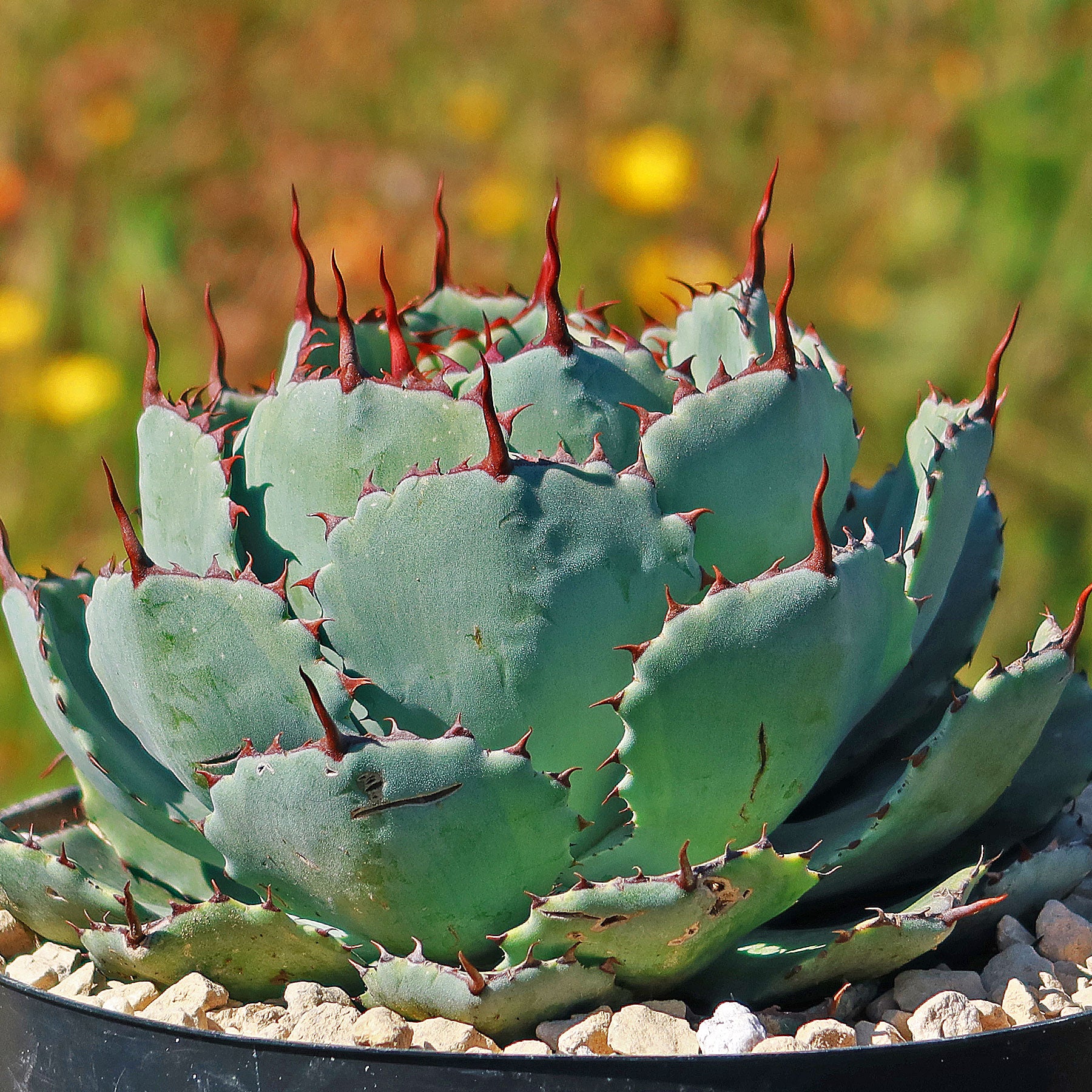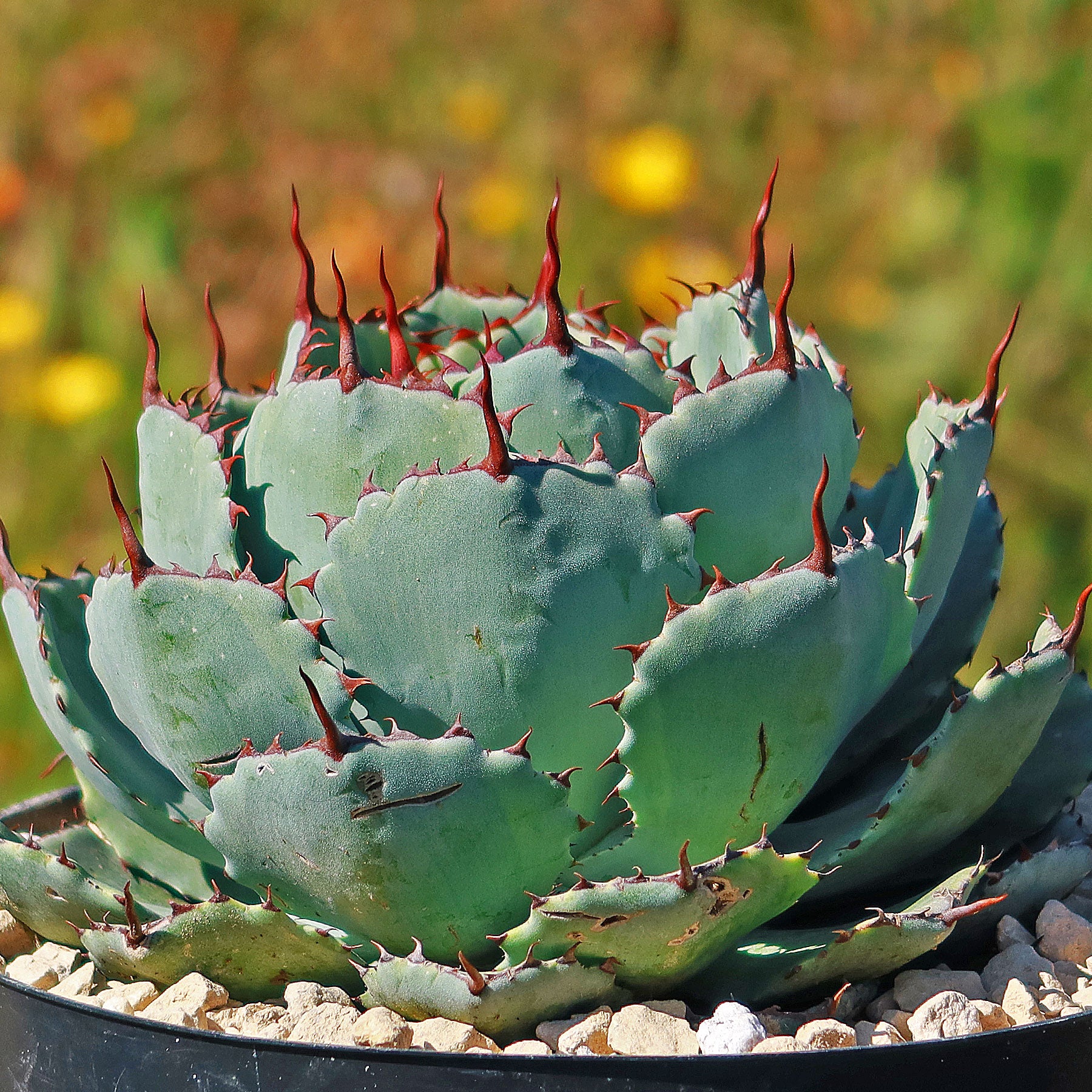
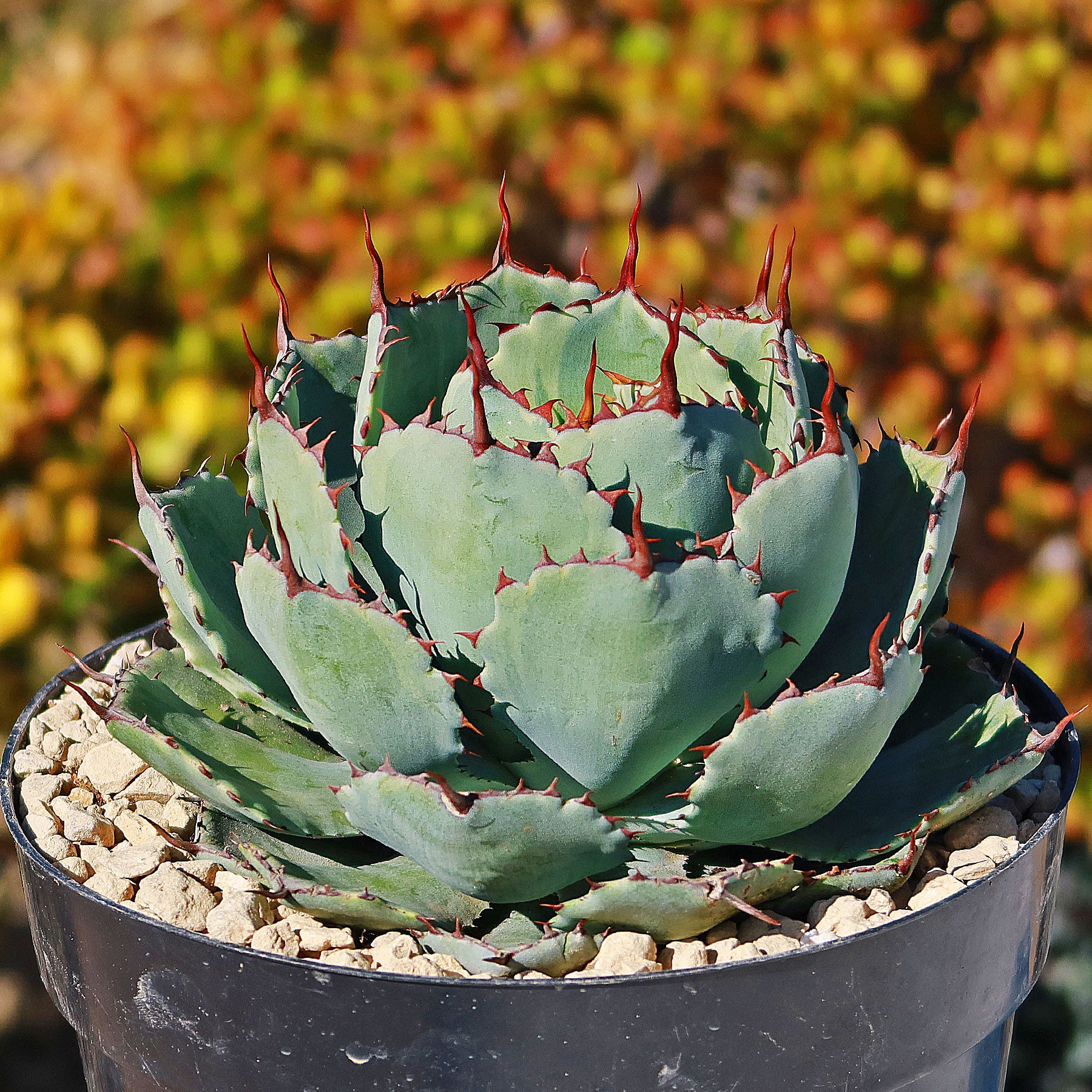
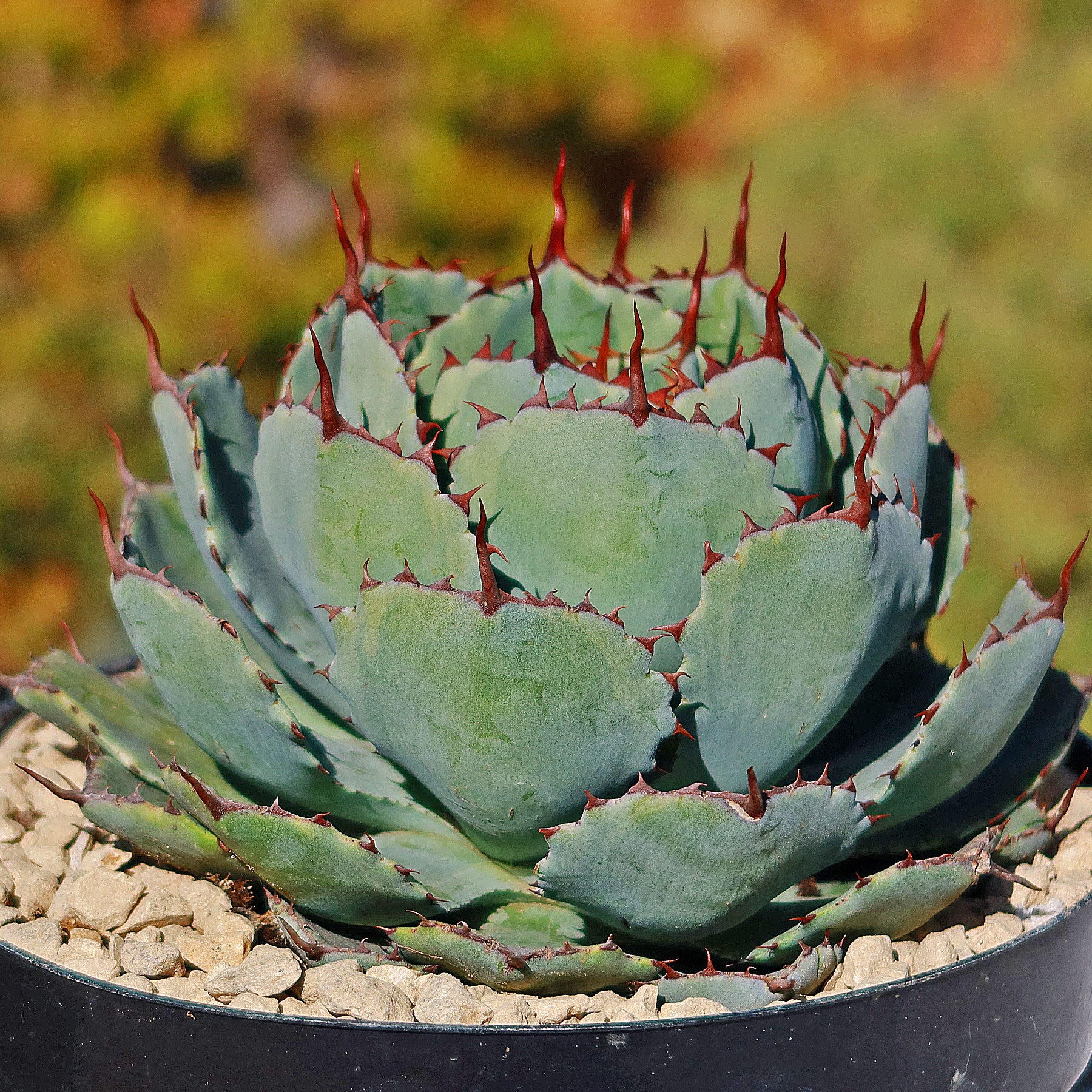
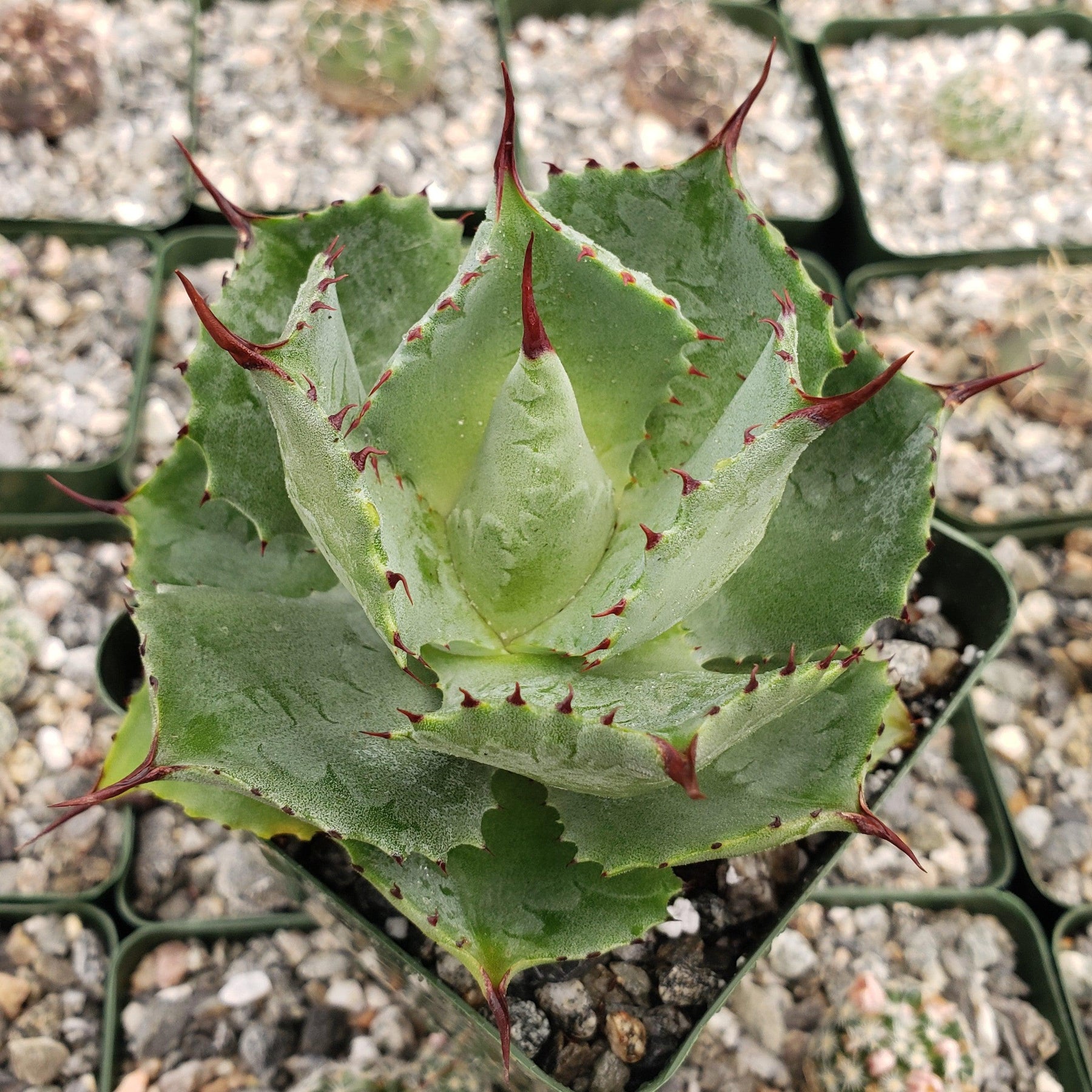
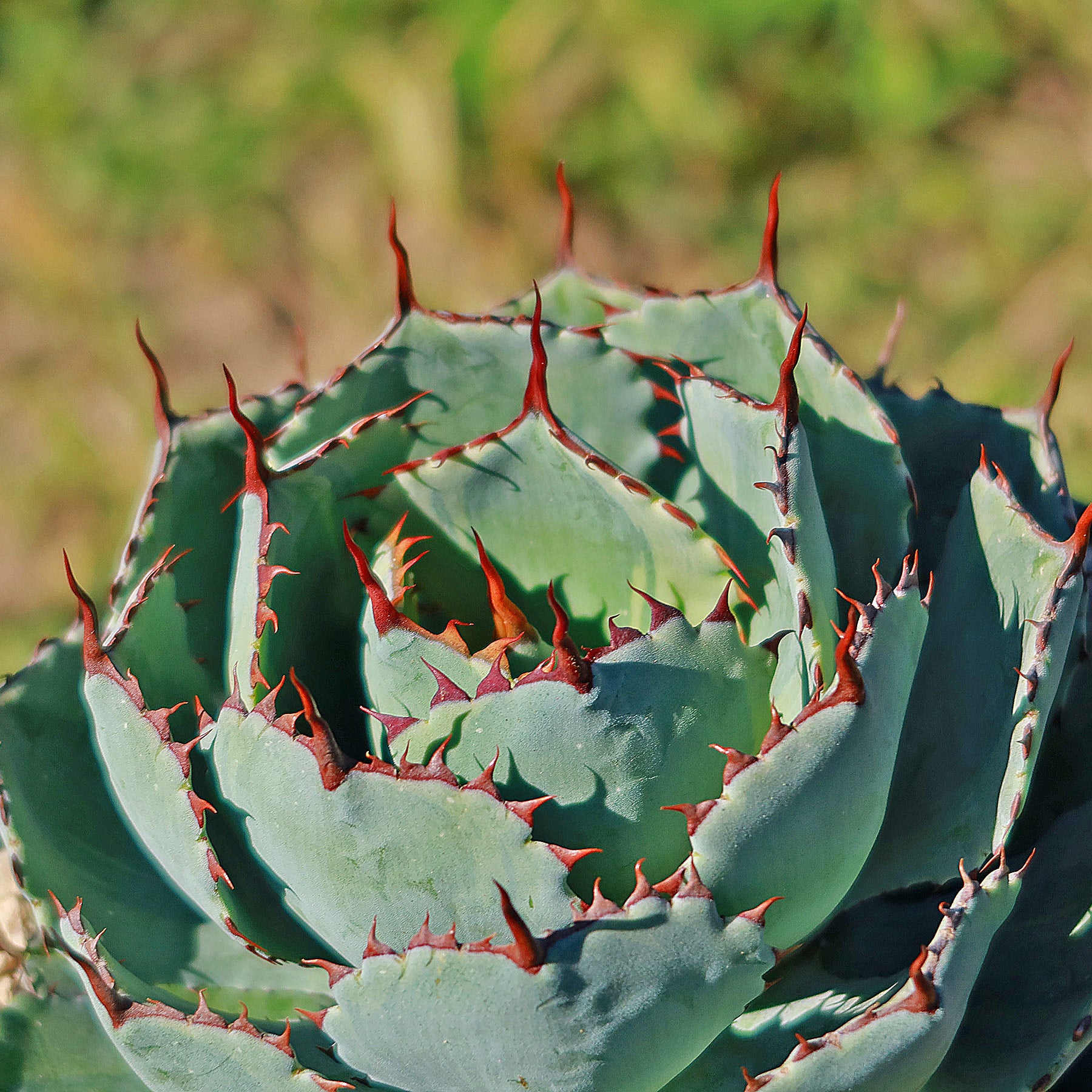
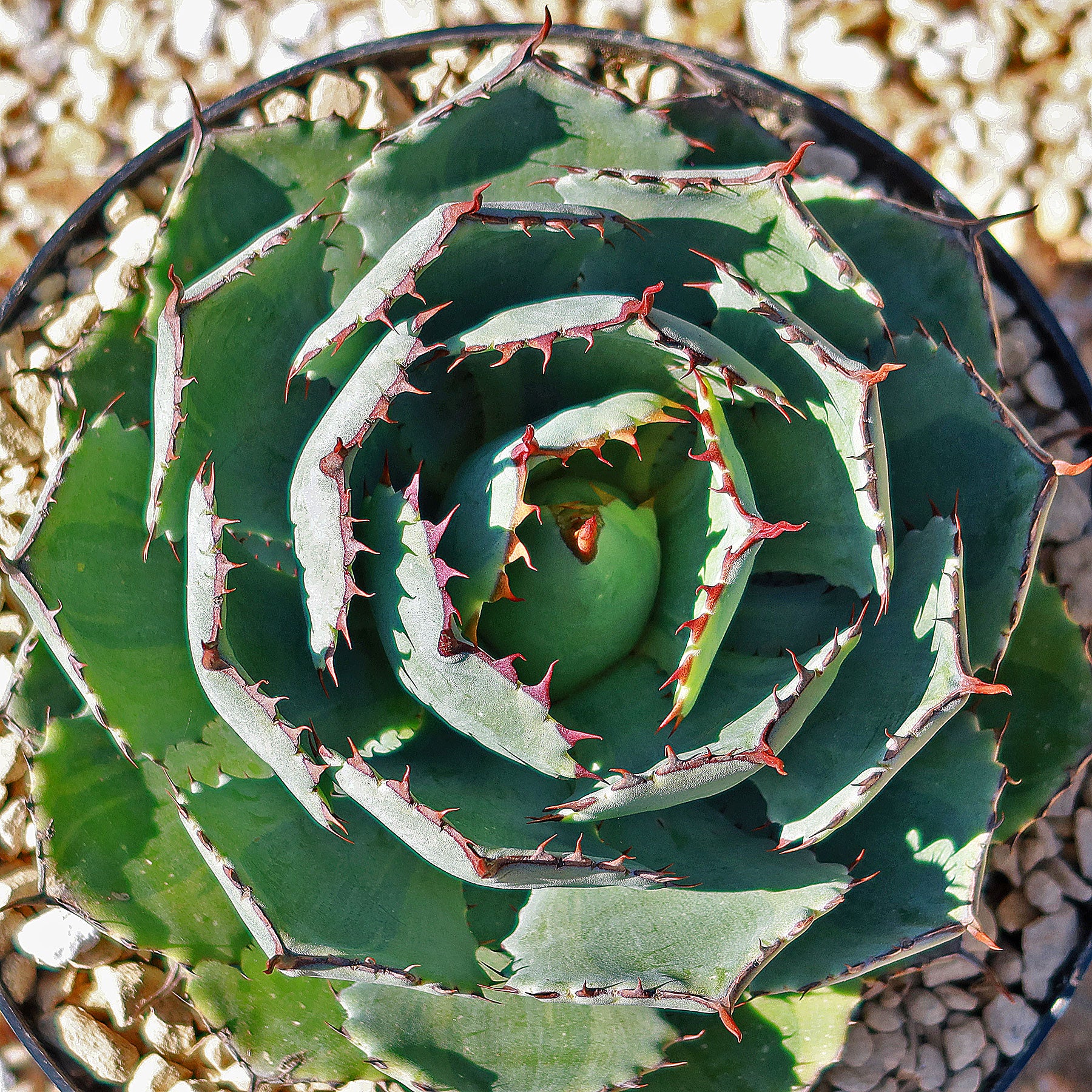
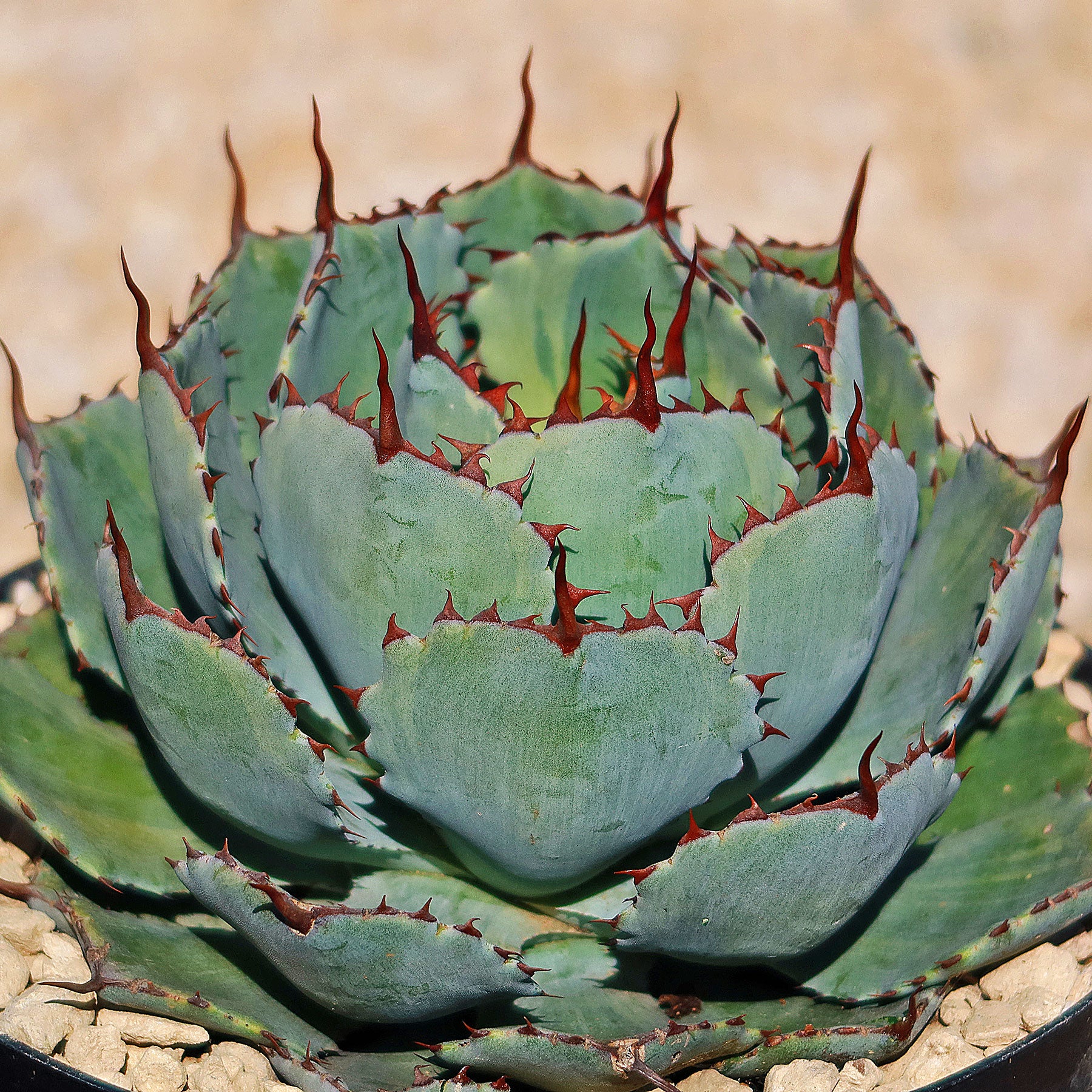
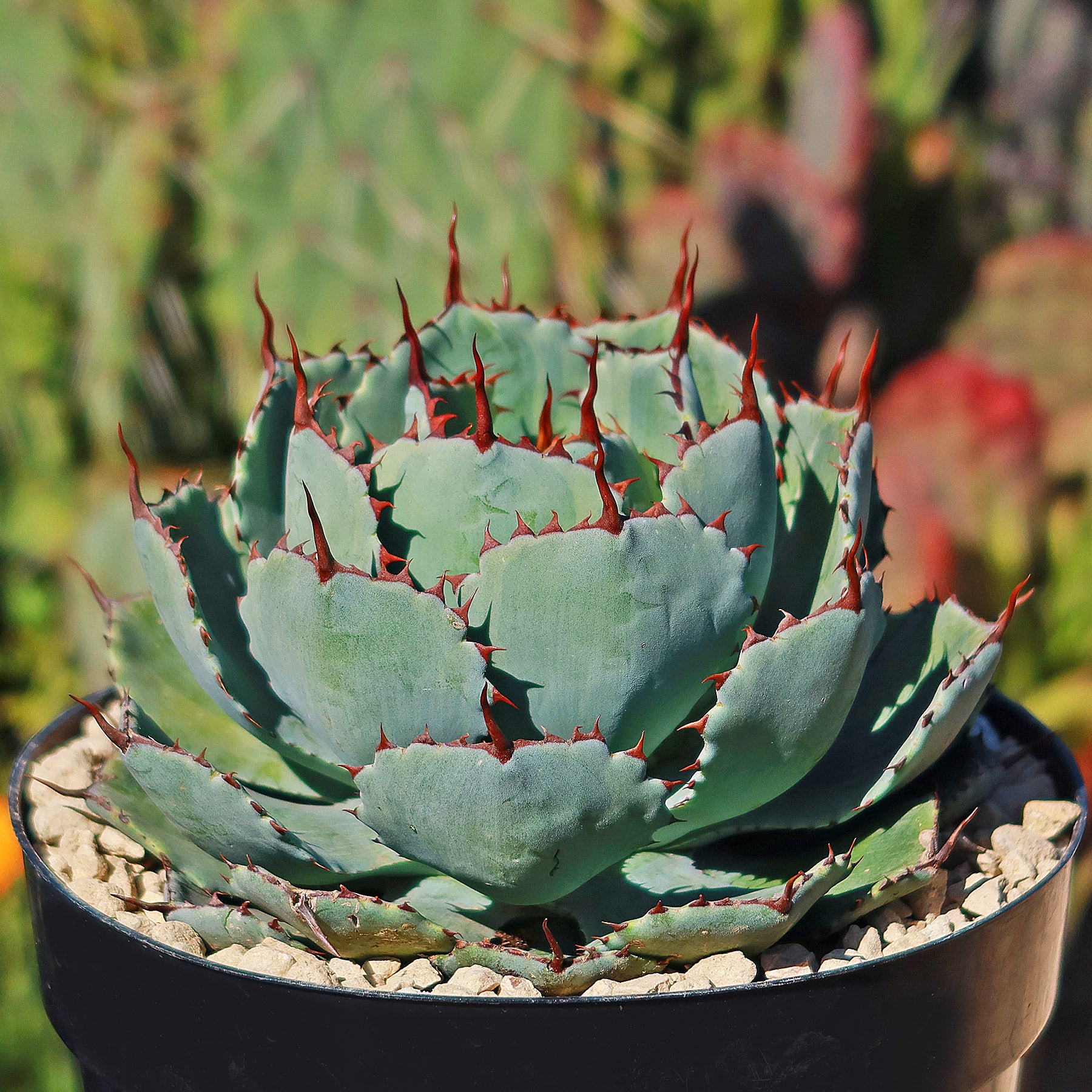


Do you want to add something unique and beautiful to your garden? Look no further than the Butterfly Agave, also known as Agave potatorum. This beautiful succulent plant boasts a light green color with red margins, making it stand out among other succulents. Not only is it visually appealing, but its winter flowering will bring life to your garden during the colder months.
However, it's important to note that this plant is toxic for both humans and pets - so handle it with caution! Keep reading to learn more about how to care for this mesmerizing plant!
Watering Needs
Desert plants like butterfly agave succulents are adapted to survive in harsh hot environments, storing water in their stems and trunks for months at a time. During summer you should water them every 1-2 weeks or when the soil is dry. In winter you may not need to water them at all.
On the other hand, if there is a severe drought or you forget to water them for over a month during the summer then it can lead to discoloration and a shriveling look as it consumes more of the water in its interior. When you do water them, take care not to overwater as this can lead to root rot and fungal infections.
Light Requirements
Providing enough light for this desert plant is one of the most important aspects of their care. It is important to grow Agave potatorum plants in areas that receive at least 4-6 hours of bright, direct light every day to keep them happy.
If indoors, place your butterfly agave directly in front of a west- or south-facing window. If they don't receive enough light, their stems may grow leggy and become paler and their spines will shorten; so, make your succulents happy and give them plenty of light.
Optimal Soil & Fertilizer Needs
The butterfly agave plants favor very airy, sandy soil that drains well. Planting them in ordinary soil will result in compacted roots, stunted growth, and most likely root rot. Instead, make or buy a well-draining potting mix, or ideally use our specialized succulent potting mix that contains over 10 natural substrates and mycorrhizae to promote the development of a strong root system that helps your succulent to thrive.
When it comes to fertilizing your agave plants, it only needs a small amount of fertilizer applied once a year in spring. Succulents prefer an organic or natural fertilizer with lower doses of NPK, with a maximum ratio of 5-10-5 that is higher in phosphorus than nitrogen.
Hardiness Zones & More
Typically grown in hot, arid desert regions, these butterfly agave succulent plants thrive indoors in warm, dry surroundings. If you live in USDA regions 9 to 11, you can also grow these succulents outdoors year-round, but they are not cold- or frost-tolerant, so you should plant them indoors or put them in a pot and move them indoors during the winter if you live outside of these regions.
Keep your succulent plant away from cold, drafty windows and air vents if you are growing it indoors in a cold climate.
You probably are not going to find this unique plant in your local garden store, it's actually easy to grow and we can ship it directly to your home, so what are you waiting for? Add this cool plant to your collection today.
Bloom Season
Flower Color
Growth Rate
Hardiness Zone
Mature Size
Plant Type
Resistance
Sun Exposure
Watering Needs
| Name | Value |
|---|---|
| Bloom Season | Winter |
| Botanical Name | Agave potatorum |
| Common Name | Butterfly agave |
| Dormancy | Winter |
| Family | Asparagaceae |
| Flower Color | Light green, yellow (Tinged with red) |
| Genus | Agave |
| Growth Habit | Rosette |
| Growth Rate | Slow |
| Hardiness Zone | 9, 10, 11 |
| Mature Size | 2 ft. tall, 2 ft. wide |
| Native Area | Mexico |
| Plant Type | Perennial Succulent |
| Propagation | By seeds, pups, offsets |
| Resistance | Extremely drought-tolerant, heat resistance, pests resistance |
| Soil PH | 6.5, Acidic, Neutral |
| Soil Type | specialized succulent potting mix |
| Special Features | Easy to maintain as houseplant |
| Sun Exposure | Full sun (6+ hrs.), Partial shade (3–6 hrs. sun) |
| Toxicity | Toxic to humans, toxic to cats, toxic to dogs |
| Watering Needs | Deep irrigation |
Growers Quick Reference Guide - Key Features
| Name | Value |
|---|---|
| Bloom Season | Winter |
| Botanical Name | Agave potatorum |
| Common Name | Butterfly agave |
| Dormancy | Winter |
| Family | Asparagaceae |
| Flower Color | Light green, yellow (Tinged with red) |
| Genus | Agave |
| Growth Habit | Rosette |
| Growth Rate | Slow |
| Hardiness Zone | 9, 10, 11 |
| Mature Size | 2 ft. tall, 2 ft. wide |
| Native Area | Mexico |
| Plant Type | Perennial Succulent |
| Propagation | By seeds, pups, offsets |
| Resistance | Extremely drought-tolerant, heat resistance, pests resistance |
| Soil PH | 6.5, Acidic, Neutral |
| Soil Type | specialized succulent potting mix |
| Special Features | Easy to maintain as houseplant |
| Sun Exposure | Full sun (6+ hrs.), Partial shade (3–6 hrs. sun) |
| Toxicity | Toxic to humans, toxic to cats, toxic to dogs |
| Watering Needs | Deep irrigation |
- Description
- Key Plant Features
Do you want to add something unique and beautiful to your garden? Look no further than the Butterfly Agave, also known as Agave potatorum. This beautiful succulent plant boasts a light green color with red margins, making it stand out among other succulents. Not only is it visually appealing, but its winter flowering will bring life to your garden during the colder months.
However, it's important to note that this plant is toxic for both humans and pets - so handle it with caution! Keep reading to learn more about how to care for this mesmerizing plant!
Watering Needs
Desert plants like butterfly agave succulents are adapted to survive in harsh hot environments, storing water in their stems and trunks for months at a time. During summer you should water them every 1-2 weeks or when the soil is dry. In winter you may not need to water them at all.
On the other hand, if there is a severe drought or you forget to water them for over a month during the summer then it can lead to discoloration and a shriveling look as it consumes more of the water in its interior. When you do water them, take care not to overwater as this can lead to root rot and fungal infections.
Light Requirements
Providing enough light for this desert plant is one of the most important aspects of their care. It is important to grow Agave potatorum plants in areas that receive at least 4-6 hours of bright, direct light every day to keep them happy.
If indoors, place your butterfly agave directly in front of a west- or south-facing window. If they don't receive enough light, their stems may grow leggy and become paler and their spines will shorten; so, make your succulents happy and give them plenty of light.
Optimal Soil & Fertilizer Needs
The butterfly agave plants favor very airy, sandy soil that drains well. Planting them in ordinary soil will result in compacted roots, stunted growth, and most likely root rot. Instead, make or buy a well-draining potting mix, or ideally use our specialized succulent potting mix that contains over 10 natural substrates and mycorrhizae to promote the development of a strong root system that helps your succulent to thrive.
When it comes to fertilizing your agave plants, it only needs a small amount of fertilizer applied once a year in spring. Succulents prefer an organic or natural fertilizer with lower doses of NPK, with a maximum ratio of 5-10-5 that is higher in phosphorus than nitrogen.
Hardiness Zones & More
Typically grown in hot, arid desert regions, these butterfly agave succulent plants thrive indoors in warm, dry surroundings. If you live in USDA regions 9 to 11, you can also grow these succulents outdoors year-round, but they are not cold- or frost-tolerant, so you should plant them indoors or put them in a pot and move them indoors during the winter if you live outside of these regions.
Keep your succulent plant away from cold, drafty windows and air vents if you are growing it indoors in a cold climate.
You probably are not going to find this unique plant in your local garden store, it's actually easy to grow and we can ship it directly to your home, so what are you waiting for? Add this cool plant to your collection today.
Bloom Season
Flower Color
Growth Rate
Hardiness Zone
Mature Size
Plant Type
Resistance
Sun Exposure
Watering Needs
| Attribute | Value |
|---|---|
| Bloom Season | Winter |
| Botanical Name | Agave potatorum |
| Common Name | Butterfly agave |
| Dormancy | Winter |
| Family | Asparagaceae |
| Flower Color | Light green, yellow (Tinged with red) |
| Genus | Agave |
| Growth Habit | Rosette |
| Growth Rate | Slow |
| Hardiness Zone | 9, 10, 11 |
| Mature Size | 2 ft. tall, 2 ft. wide |
| Native Area | Mexico |
| Plant Type | Perennial Succulent |
| Propagation | By seeds, pups, offsets |
| Resistance | Extremely drought-tolerant, heat resistance, pests resistance |
| Soil PH | 6.5, Acidic, Neutral |
| Soil Type | specialized succulent potting mix |
| Special Features | Easy to maintain as houseplant |
| Sun Exposure | Full sun (6+ hrs.), Partial shade (3–6 hrs. sun) |
| Toxicity | Toxic to humans, toxic to cats, toxic to dogs |
| Watering Needs | Deep irrigation |
Growers Quick Reference Guide - Key Features
| Name | Value |
|---|---|
| Bloom Season | Winter |
| Botanical Name | Agave potatorum |
| Common Name | Butterfly agave |
| Dormancy | Winter |
| Family | Asparagaceae |
| Flower Color | Light green, yellow (Tinged with red) |
| Genus | Agave |
| Growth Habit | Rosette |
| Growth Rate | Slow |
| Hardiness Zone | 9, 10, 11 |
| Mature Size | 2 ft. tall, 2 ft. wide |
| Native Area | Mexico |
| Plant Type | Perennial Succulent |
| Propagation | By seeds, pups, offsets |
| Resistance | Extremely drought-tolerant, heat resistance, pests resistance |
| Soil PH | 6.5, Acidic, Neutral |
| Soil Type | specialized succulent potting mix |
| Special Features | Easy to maintain as houseplant |
| Sun Exposure | Full sun (6+ hrs.), Partial shade (3–6 hrs. sun) |
| Toxicity | Toxic to humans, toxic to cats, toxic to dogs |
| Watering Needs | Deep irrigation |