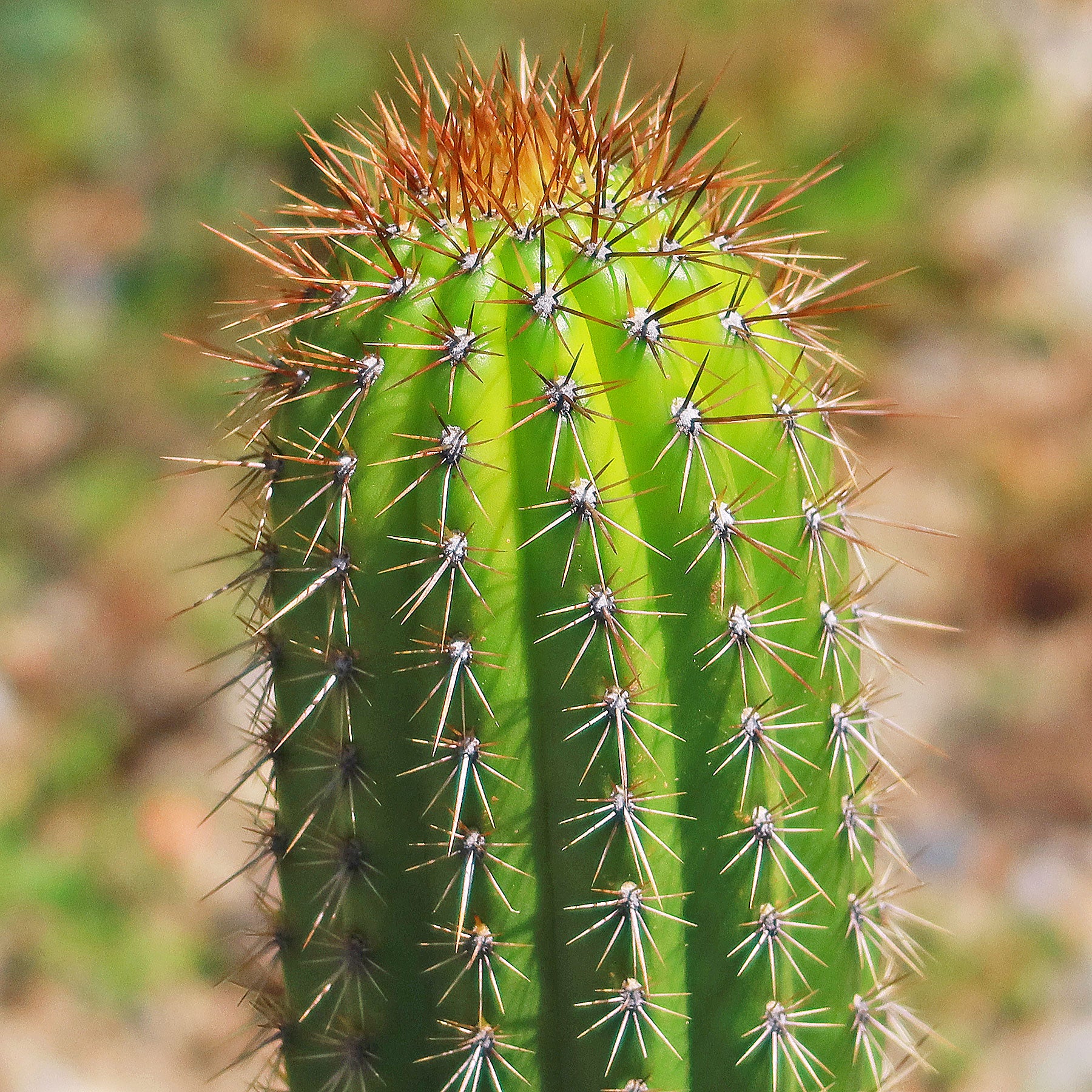
The Golden torch cactus, also known as Echinopsis spachiana or Trichocereus spachianus, is a highly sought-after, fast growing columnar cactus native to South America. It features tall cylindrical stems covered in prominent woolly areoles, making it a standout addition to any cactus collection.

The base of this beauty branches out and can reach heights of up to 6.6 feet tall and 2.4 inches in diameter.
These pure white, funnel shaped blooms can reach up to 6 inches long, creating an eye catching display against the cactus's spiny green stems.
Blooming in late spring, the flowers open at night and release a pleasant fragrance, rewarding growers with a memorable after dark show.
The bright white blooms stand out beautifully against the cactus's green stems and golden spines, creating a dramatic and elegant contrast.
These eye catching flowers are among the plant's most admired features and make the blooming season especially rewarding for collectors and gardeners alike.
When and How to Water Your Golden Torch Cactus
Desert plants like cacti are adapted to survive in harsh hot environments, storing water in their body and trunks for months at a time. Therefore, don't overwater them and ensure that the soil is dry or slightly damp.
Water your Golden Torch Cactus every 2 to 3 weeks during the growing season, and reduce watering to once every 4 to 6 weeks during winter dormancy.
In spring and summer, water deeply only when the soil has dried out completely. Check the soil several inches below the surface before watering. If any moisture remains, wait a few more days. Always use a fast draining cactus mix and a container with drainage holes to prevent excess water from collecting around the roots.
In fall and winter, the plant's growth slows significantly and its water needs decrease. Allow the soil to remain dry for longer periods and water sparingly. Keeping the soil too wet during the cooler months can quickly lead to root rot and other moisture related issues.
If the stems begin to look slightly less plump or show minor wrinkling, the plant may be ready for a drink. After watering, the stems should regain their firm, healthy appearance within a few days. When in doubt, it is always safer to underwater than overwater this desert native.
Light Requirements - Where to Place Your Golden Torch Plant

Like most cacti, this plant loves lots of light and requires full sun to thrive.
When grown indoors, place it near a south facing or west facing window where it can enjoy at least 6 to 8 hours of direct sun daily.
Although it can survive in low light, it may suffer from stunted growth and faded colors.
A full spectrum grow light can help supplement natural sunlight, especially during winter or in rooms with smaller windows.
When grown outdoors, this cactus can handle more direct light than many other cactus species. A location that receives morning and afternoon sun is ideal. In regions with extremely hot summers, however, some protection from intense late afternoon sunlight can help prevent stress and sun scorch, particularly for younger plants.
When newly purchased or recently repotted, avoild placing it in full sun immediately. Gradually increase sun exposure over one to two weeks to prevent sunburn and stem discoloration.
Optimal Soil & Fertilizer Needs
The Golden Torch plant prefers sandy, slightly acidic to neutral soil with a pH of around 6.5. Avoid dense soils that retain moisture, as overly wet conditions can lead to root rot and other health issues.
Planet Desert specializes in cacti and has specialized cactus potting soil that includes an organic substrate with mycorrhizae to help with the growth of a healthy root system to help your cactus thrive. As an alternative, you can create your own customized organic potting mix by combining equal portions of perlite, coarse sand, and potting soil.
When fertilizing your cactus, use a small amount of fertilizer and apply once a year in spring. A balanced fertilizer with an NPK ratio such as 5-10-5 works well to support healthy growth.
Hardiness Zones & More

In the United States, the golden torch plant is mostly an indoor plant, but if you live in southern Florida or Hawaii, then you can cultivate it outdoors in USDA zones 9-11.
It thrives in temperatures between 65°F and 85°F during the growing season and appreciates plenty of sunshine and good air circulation.
If you live in a colder region, it is best to grow the cactus in a container that can be moved indoors before winter arrives.
This cactus prefers low to moderate humidity levels. High humidity combined with poor airflow can increase the risk of fungal problems and rot. For the healthiest growth, provide a dry environment with well draining soil and avoid overcrowding plants.
How to Grow Indoors
The Golden Torch plant is a low maintenance indoor plant that thrives when given plenty of sunlight and proper care. Its tall, columnar growth makes it a striking addition to bright indoor spaces.
- Position it in the sunniest spot available, ideally near a south facing window where it can receive several hours of direct sunlight daily.
- Choose a location with enough vertical space for future growth
- Plant it in a gritty, fast draining cactus mix to mimic the rocky soils of its native habitat.
- Water thoroughly, then allow the soil to dry completely before watering again.
- Maintain temperatures between 65°F and 85°F for optimal growth.
- If natural light is limited, supplement with a grow light to prevent weak, elongated stems and maintain compact growth.
Wildlife – Golden Torch Flowers Attract the Following Friendly Pollinators
The golden torch flowers attract a variety of friendly pollinators, including bees, butterflies, and hummingbirds. By attracting pollinators, this plant supports local wildlife and increases the chances of successful pollination and seed production.
 Butterflies
 Bees
Bees
 Hummingbirds
 Lady Bugs
 Multi Pollinators
 Other Birds
According to the ASPCA, Trichocereus spachianus is safe to humans and pets. However, its sharp golden spines can still cause puncture wounds, skin irritation, or discomfort if touched carelessly. It is best to place the cactus in a location where children and pets are less likely to accidentally come into contact with it.
How to Propagate Your Golden Torch Cactus
You can propagate this cactus through stem cuttings. While it can also be grown from seed, cuttings are the easiest and fastest method for home gardeners. You can use a clean, sharp knife to remove a healthy stem or branch from the parent plant.
Place the cutting in a dry, shaded area and allow the cut end to callus over for one to two weeks. After the cutting has callused, plant it in a container filled with well draining cactus soil. Keep it in a warm location with bright, indirect light and avoid watering immediately. Within a few weeks to a couple of months, roots should begin to develop.
Key Takeaways
- The Golden Torch Cactus develops tall, elegant columns that bring dramatic height and desert charm to any space.
- Its large, fragrant white flowers bloom at night, creating a stunning display that few cacti can match.
- Easy to care for and highly drought tolerant, it is an excellent choice for both beginners and experienced collectors.
- The striking contrast between its golden spines and deep green stems provides year round visual appeal, even when not in bloom.
- Perfect for collectors looking for a low maintenance cactus with both stunning flowers and impressive size.
Final Thoughts
The Golden Torch Cactus (Trichocereus spachianus) is a remarkable plant that combines striking architectural form with surprisingly beautiful blooms. Its tall, columnar stems, golden spines, and fragrant nighttime flowers make it a standout addition to any cactus collection.
If you're just starting out with plants, or you've been collecting cacti for years, this one's a solid pick. Give it plenty of sun, don't go overboard on the watering, and it'll keep getting better looking as it grows.
Bloom Season
Flower Color
Growth Rate
Hardiness Zone
Mature Size
Plant Type
Resistance
Sun Exposure
Watering Needs
| Bloom Season | Late spring |
|---|---|
| Botanical Name | Trichocereus spachianus |
| Common Name | Golden Torch Cactus |
| Dormancy | Summer |
| Family | Cactaceae |
| Flower Color | Nocturnal White |
| Genus | Trichocereus |
| Growth Habit | Columnar |
| Growth Rate | Slow |
| Hardiness Zone | 9, 10, 11 |
| Mature Size | 10 ft. tall, 6 in. wide |
| Native Area | South America |
| Plant Type | Perennial cactus |
| Propagation | By seeds, cuttings |
| Resistance | Extremely drought-tolerant, heat tolerant, pests resistance, deer resistance |
| Soil PH | 6.5, Acidic, Neutral |
| Soil Type | specialized cactus potting soil |
| Special Features | Easy to maintain |
| Sun Exposure | Full sun (6+ hrs.), Partial shade (3–6 hrs. sun) |
| Toxicity | Safe for humans(Keep away from pets and Children) |
| Watering Needs | Moderate |
Growers Quick Reference Guide - Key Features
| Bloom Season | Late spring |
|---|---|
| Botanical Name | Trichocereus spachianus |
| Common Name | Golden Torch Cactus |
| Dormancy | Summer |
| Family | Cactaceae |
| Flower Color | Nocturnal White |
| Genus | Trichocereus |
| Growth Habit | Columnar |
| Growth Rate | Slow |
| Hardiness Zone | 9, 10, 11 |
| Mature Size | 10 ft. tall, 6 in. wide |
| Native Area | South America |
| Plant Type | Perennial cactus |
| Propagation | By seeds, cuttings |
| Resistance | Extremely drought-tolerant, heat tolerant, pests resistance, deer resistance |
| Soil PH | 6.5, Acidic, Neutral |
| Soil Type | specialized cactus potting soil |
| Special Features | Easy to maintain |
| Sun Exposure | Full sun (6+ hrs.), Partial shade (3–6 hrs. sun) |
| Toxicity | Safe for humans(Keep away from pets and Children) |
| Watering Needs | Moderate |
- Description
- Key Plant Features
The Golden torch cactus, also known as Echinopsis spachiana or Trichocereus spachianus, is a highly sought-after, fast growing columnar cactus native to South America. It features tall cylindrical stems covered in prominent woolly areoles, making it a standout addition to any cactus collection.
The base of this beauty branches out and can reach heights of up to 6.6 feet tall and 2.4 inches in diameter.
These pure white, funnel shaped blooms can reach up to 6 inches long, creating an eye catching display against the cactus's spiny green stems.
Blooming in late spring, the flowers open at night and release a pleasant fragrance, rewarding growers with a memorable after dark show.
The bright white blooms stand out beautifully against the cactus's green stems and golden spines, creating a dramatic and elegant contrast.
These eye catching flowers are among the plant's most admired features and make the blooming season especially rewarding for collectors and gardeners alike.
When and How to Water Your Golden Torch Cactus
Desert plants like cacti are adapted to survive in harsh hot environments, storing water in their body and trunks for months at a time. Therefore, don't overwater them and ensure that the soil is dry or slightly damp.
Water your Golden Torch Cactus every 2 to 3 weeks during the growing season, and reduce watering to once every 4 to 6 weeks during winter dormancy.
In spring and summer, water deeply only when the soil has dried out completely. Check the soil several inches below the surface before watering. If any moisture remains, wait a few more days. Always use a fast draining cactus mix and a container with drainage holes to prevent excess water from collecting around the roots.
In fall and winter, the plant's growth slows significantly and its water needs decrease. Allow the soil to remain dry for longer periods and water sparingly. Keeping the soil too wet during the cooler months can quickly lead to root rot and other moisture related issues.
If the stems begin to look slightly less plump or show minor wrinkling, the plant may be ready for a drink. After watering, the stems should regain their firm, healthy appearance within a few days. When in doubt, it is always safer to underwater than overwater this desert native.
Light Requirements - Where to Place Your Golden Torch Plant
Like most cacti, this plant loves lots of light and requires full sun to thrive.
When grown indoors, place it near a south facing or west facing window where it can enjoy at least 6 to 8 hours of direct sun daily.
Although it can survive in low light, it may suffer from stunted growth and faded colors.
A full spectrum grow light can help supplement natural sunlight, especially during winter or in rooms with smaller windows.
When grown outdoors, this cactus can handle more direct light than many other cactus species. A location that receives morning and afternoon sun is ideal. In regions with extremely hot summers, however, some protection from intense late afternoon sunlight can help prevent stress and sun scorch, particularly for younger plants.
When newly purchased or recently repotted, avoild placing it in full sun immediately. Gradually increase sun exposure over one to two weeks to prevent sunburn and stem discoloration.
Optimal Soil & Fertilizer Needs
The Golden Torch plant prefers sandy, slightly acidic to neutral soil with a pH of around 6.5. Avoid dense soils that retain moisture, as overly wet conditions can lead to root rot and other health issues.
Planet Desert specializes in cacti and has specialized cactus potting soil that includes an organic substrate with mycorrhizae to help with the growth of a healthy root system to help your cactus thrive. As an alternative, you can create your own customized organic potting mix by combining equal portions of perlite, coarse sand, and potting soil.
When fertilizing your cactus, use a small amount of fertilizer and apply once a year in spring. A balanced fertilizer with an NPK ratio such as 5-10-5 works well to support healthy growth.
Hardiness Zones & More
In the United States, the golden torch plant is mostly an indoor plant, but if you live in southern Florida or Hawaii, then you can cultivate it outdoors in USDA zones 9-11.
It thrives in temperatures between 65°F and 85°F during the growing season and appreciates plenty of sunshine and good air circulation.
If you live in a colder region, it is best to grow the cactus in a container that can be moved indoors before winter arrives.
This cactus prefers low to moderate humidity levels. High humidity combined with poor airflow can increase the risk of fungal problems and rot. For the healthiest growth, provide a dry environment with well draining soil and avoid overcrowding plants.
How to Grow Indoors
The Golden Torch plant is a low maintenance indoor plant that thrives when given plenty of sunlight and proper care. Its tall, columnar growth makes it a striking addition to bright indoor spaces.
- Position it in the sunniest spot available, ideally near a south facing window where it can receive several hours of direct sunlight daily.
- Choose a location with enough vertical space for future growth
- Plant it in a gritty, fast draining cactus mix to mimic the rocky soils of its native habitat.
- Water thoroughly, then allow the soil to dry completely before watering again.
- Maintain temperatures between 65°F and 85°F for optimal growth.
- If natural light is limited, supplement with a grow light to prevent weak, elongated stems and maintain compact growth.
Wildlife – Golden Torch Flowers Attract the Following Friendly Pollinators
The golden torch flowers attract a variety of friendly pollinators, including bees, butterflies, and hummingbirds. By attracting pollinators, this plant supports local wildlife and increases the chances of successful pollination and seed production.
Butterflies
Bees
Hummingbirds
Lady Bugs
Multi Pollinators
Other Birds
According to the ASPCA, Trichocereus spachianus is safe to humans and pets. However, its sharp golden spines can still cause puncture wounds, skin irritation, or discomfort if touched carelessly. It is best to place the cactus in a location where children and pets are less likely to accidentally come into contact with it.
How to Propagate Your Golden Torch Cactus
You can propagate this cactus through stem cuttings. While it can also be grown from seed, cuttings are the easiest and fastest method for home gardeners. You can use a clean, sharp knife to remove a healthy stem or branch from the parent plant.
Place the cutting in a dry, shaded area and allow the cut end to callus over for one to two weeks. After the cutting has callused, plant it in a container filled with well draining cactus soil. Keep it in a warm location with bright, indirect light and avoid watering immediately. Within a few weeks to a couple of months, roots should begin to develop.
Key Takeaways
- The Golden Torch Cactus develops tall, elegant columns that bring dramatic height and desert charm to any space.
- Its large, fragrant white flowers bloom at night, creating a stunning display that few cacti can match.
- Easy to care for and highly drought tolerant, it is an excellent choice for both beginners and experienced collectors.
- The striking contrast between its golden spines and deep green stems provides year round visual appeal, even when not in bloom.
- Perfect for collectors looking for a low maintenance cactus with both stunning flowers and impressive size.
Final Thoughts
The Golden Torch Cactus (Trichocereus spachianus) is a remarkable plant that combines striking architectural form with surprisingly beautiful blooms. Its tall, columnar stems, golden spines, and fragrant nighttime flowers make it a standout addition to any cactus collection.
If you're just starting out with plants, or you've been collecting cacti for years, this one's a solid pick. Give it plenty of sun, don't go overboard on the watering, and it'll keep getting better looking as it grows.
Bloom Season
Flower Color
Growth Rate
Hardiness Zone
Mature Size
Plant Type
Resistance
Sun Exposure
Watering Needs
| Bloom Season | Late spring |
|---|---|
| Botanical Name | Trichocereus spachianus |
| Common Name | Golden Torch Cactus |
| Dormancy | Summer |
| Family | Cactaceae |
| Flower Color | Nocturnal White |
| Genus | Trichocereus |
| Growth Habit | Columnar |
| Growth Rate | Slow |
| Hardiness Zone | 9, 10, 11 |
| Mature Size | 10 ft. tall, 6 in. wide |
| Native Area | South America |
| Plant Type | Perennial cactus |
| Propagation | By seeds, cuttings |
| Resistance | Extremely drought-tolerant, heat tolerant, pests resistance, deer resistance |
| Soil PH | 6.5, Acidic, Neutral |
| Soil Type | specialized cactus potting soil |
| Special Features | Easy to maintain |
| Sun Exposure | Full sun (6+ hrs.), Partial shade (3–6 hrs. sun) |
| Toxicity | Safe for humans(Keep away from pets and Children) |
| Watering Needs | Moderate |
Growers Quick Reference Guide - Key Features
| Bloom Season | Late spring |
|---|---|
| Botanical Name | Trichocereus spachianus |
| Common Name | Golden Torch Cactus |
| Dormancy | Summer |
| Family | Cactaceae |
| Flower Color | Nocturnal White |
| Genus | Trichocereus |
| Growth Habit | Columnar |
| Growth Rate | Slow |
| Hardiness Zone | 9, 10, 11 |
| Mature Size | 10 ft. tall, 6 in. wide |
| Native Area | South America |
| Plant Type | Perennial cactus |
| Propagation | By seeds, cuttings |
| Resistance | Extremely drought-tolerant, heat tolerant, pests resistance, deer resistance |
| Soil PH | 6.5, Acidic, Neutral |
| Soil Type | specialized cactus potting soil |
| Special Features | Easy to maintain |
| Sun Exposure | Full sun (6+ hrs.), Partial shade (3–6 hrs. sun) |
| Toxicity | Safe for humans(Keep away from pets and Children) |
| Watering Needs | Moderate |