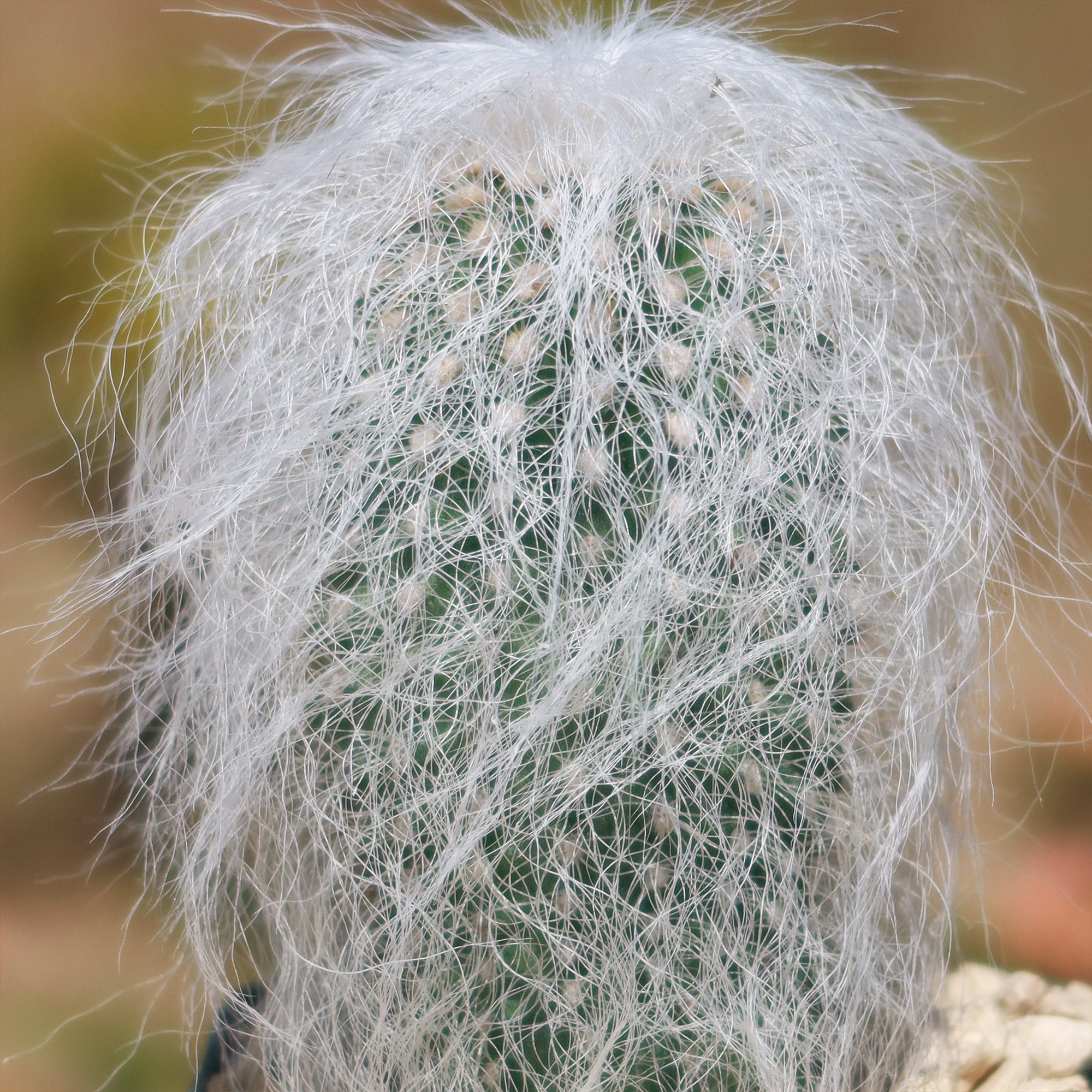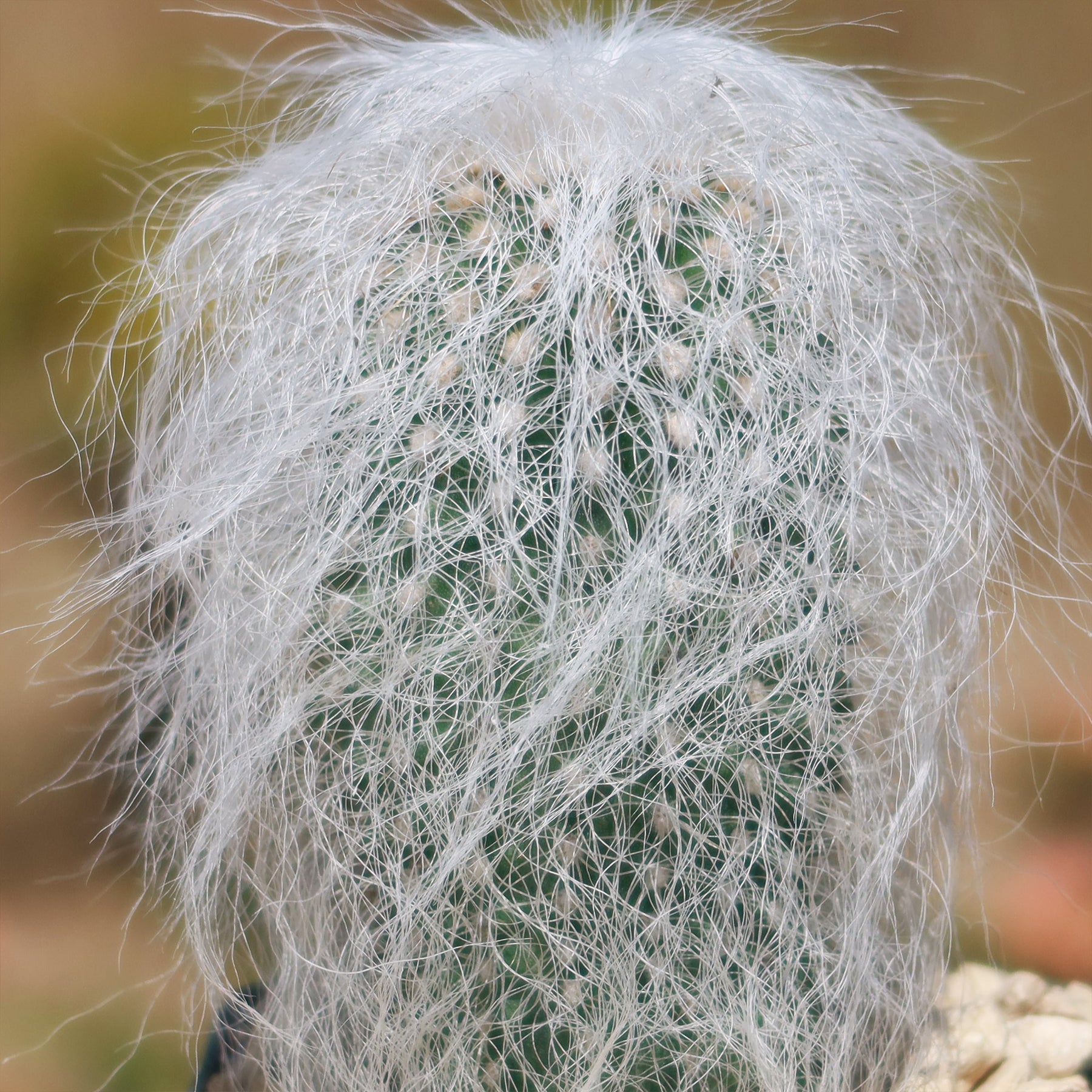
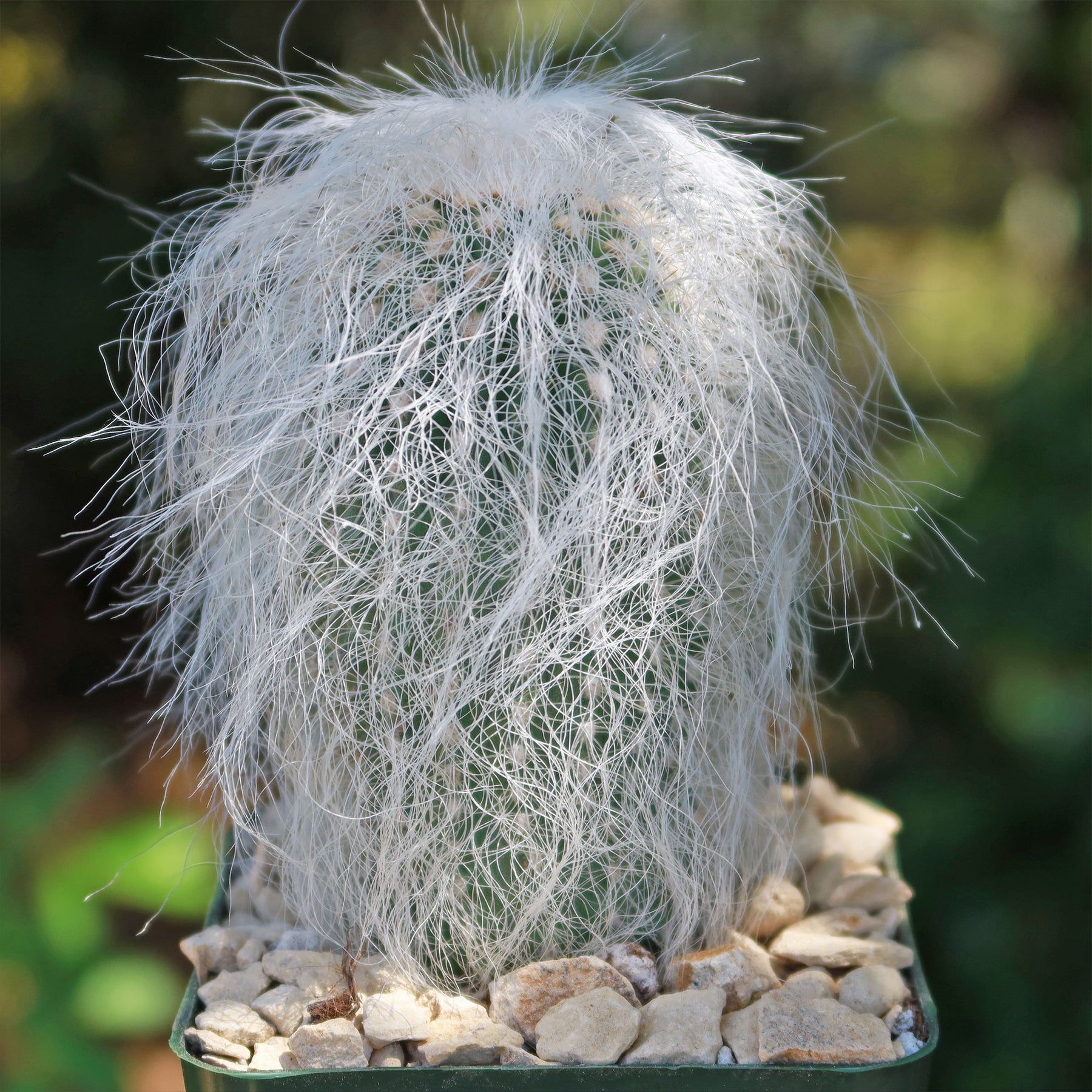
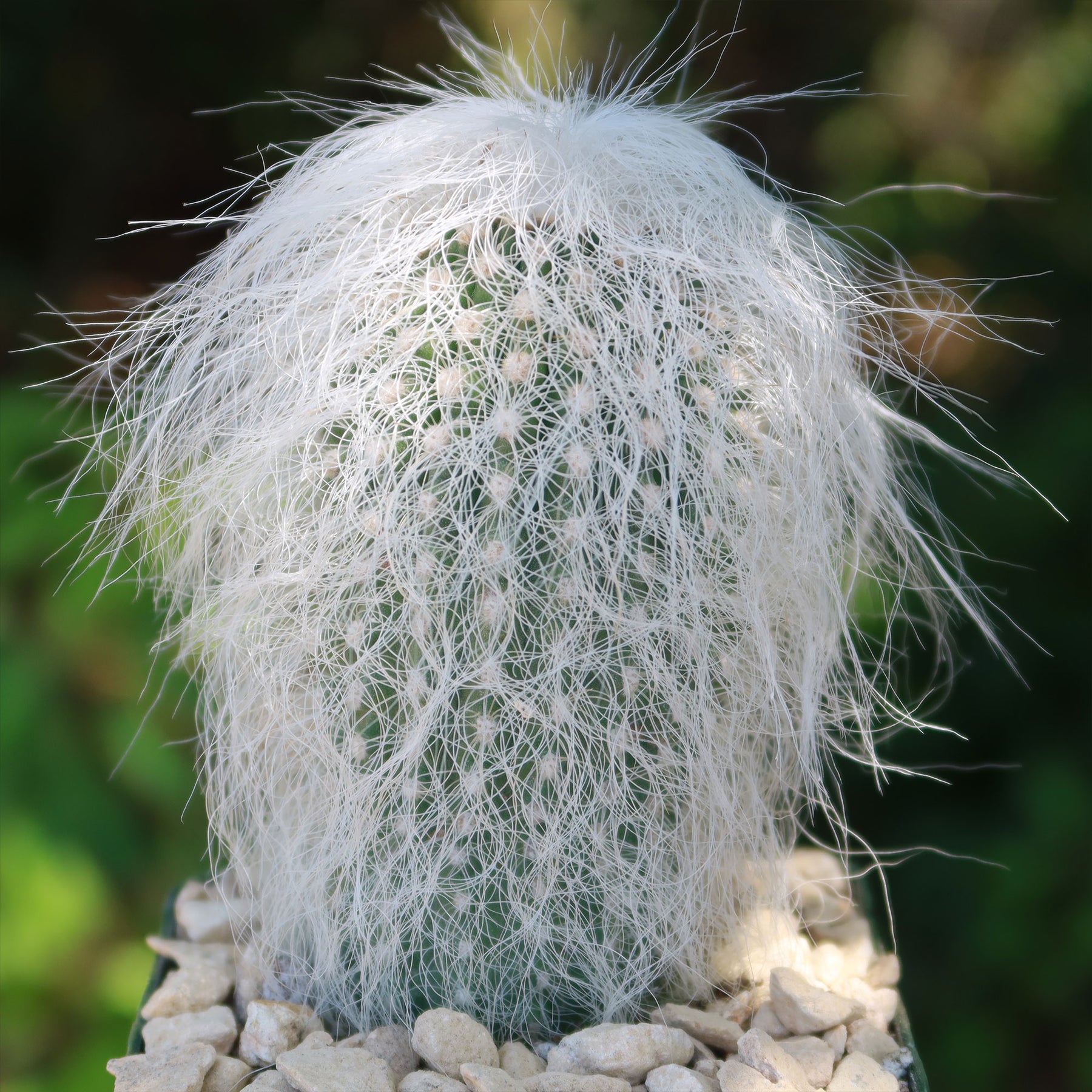
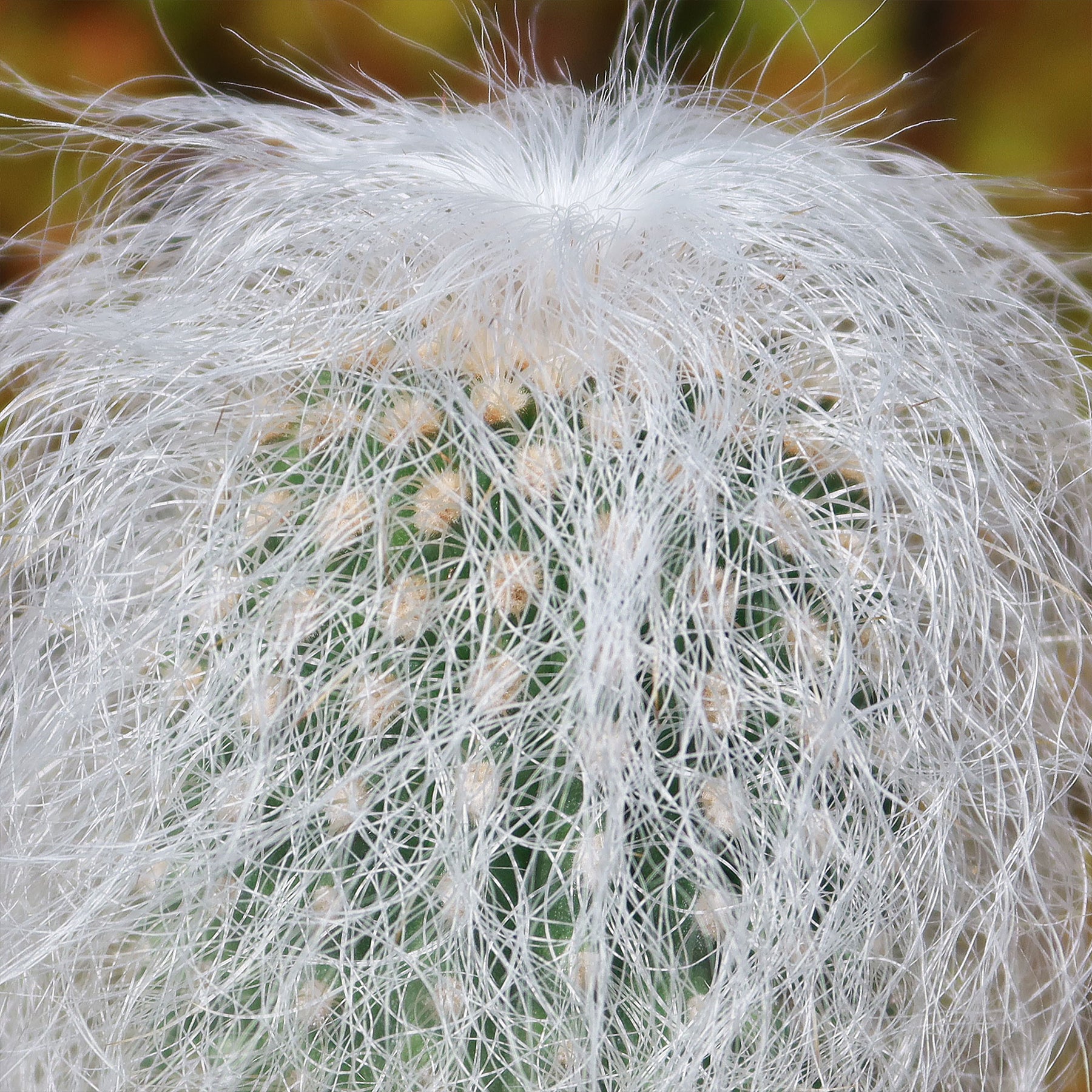
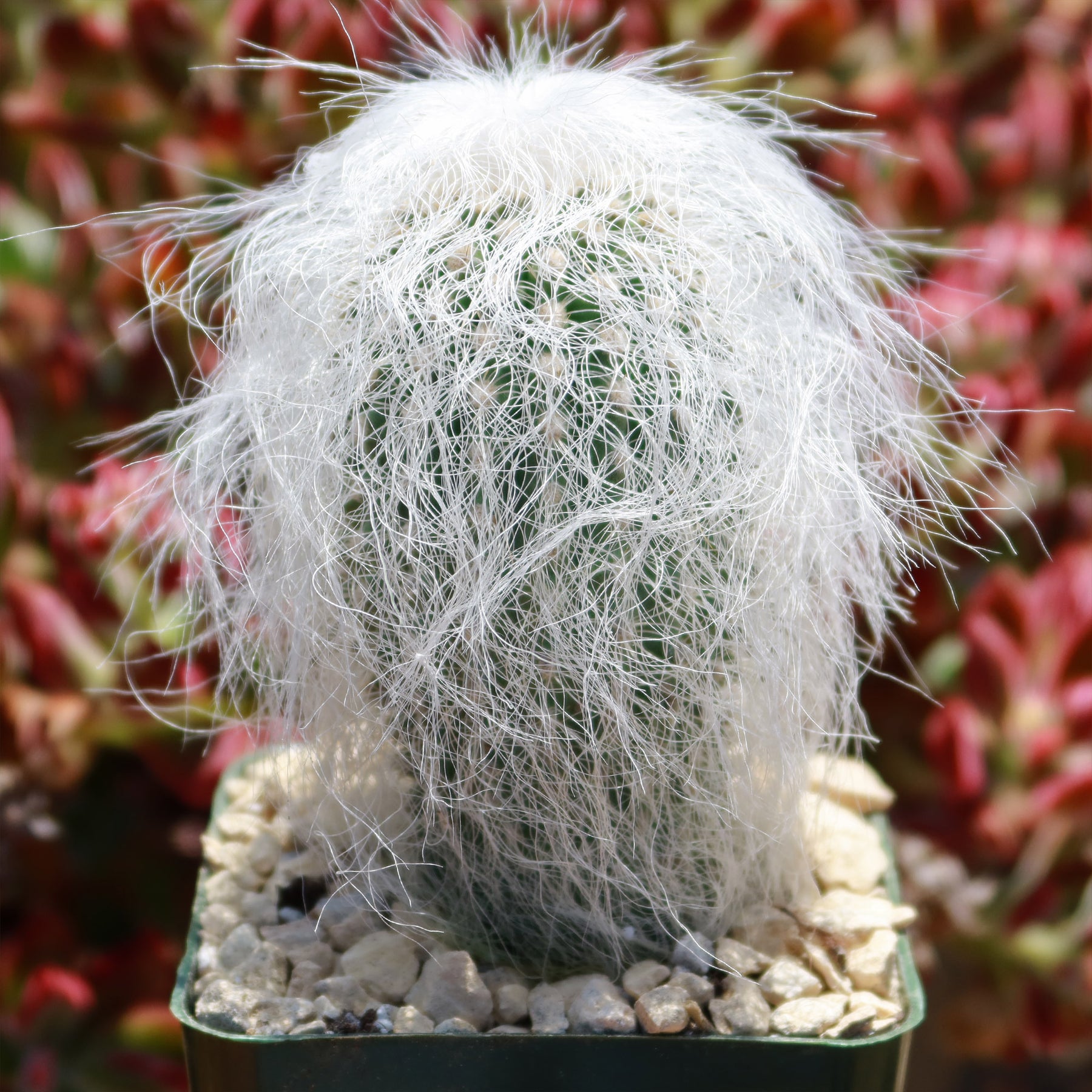
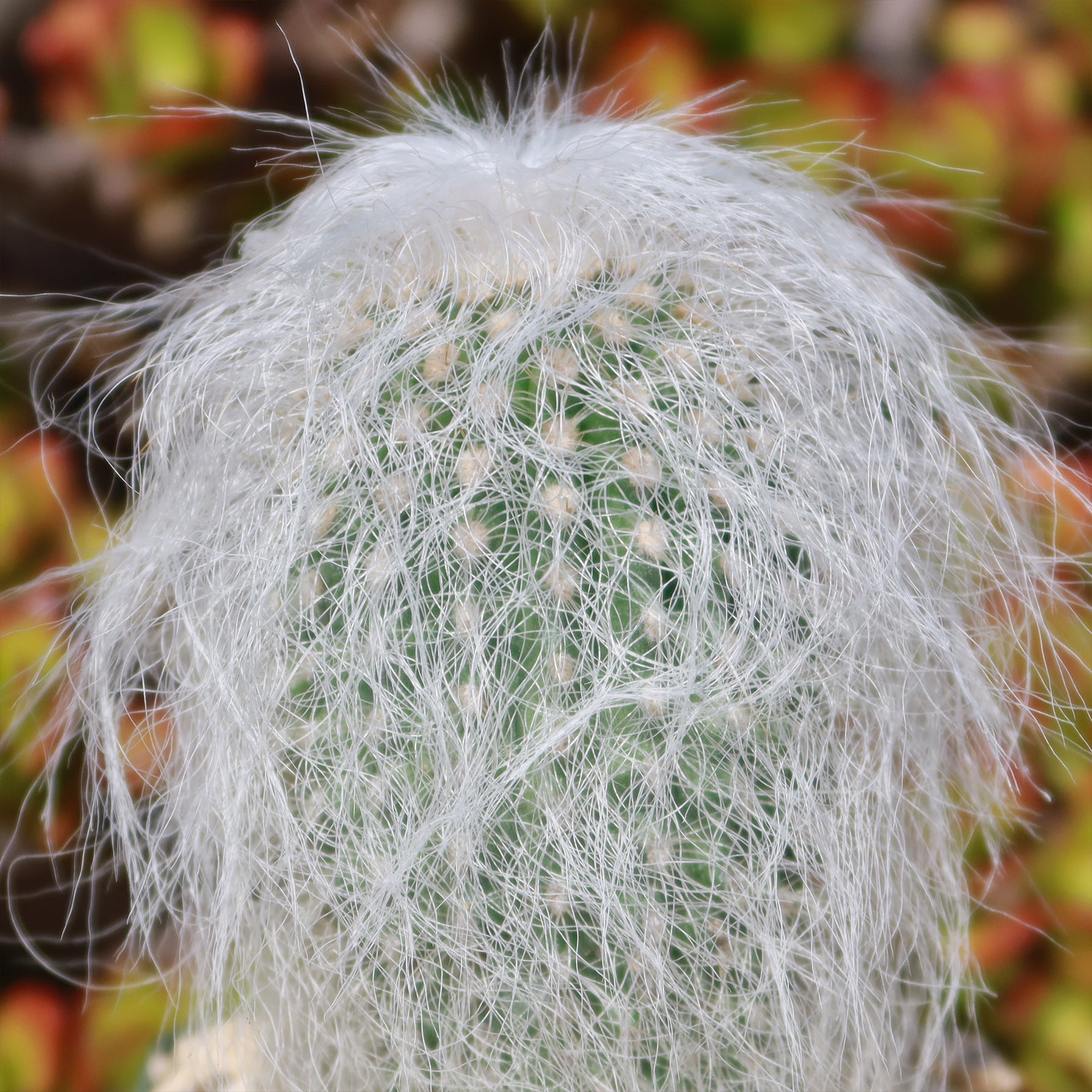
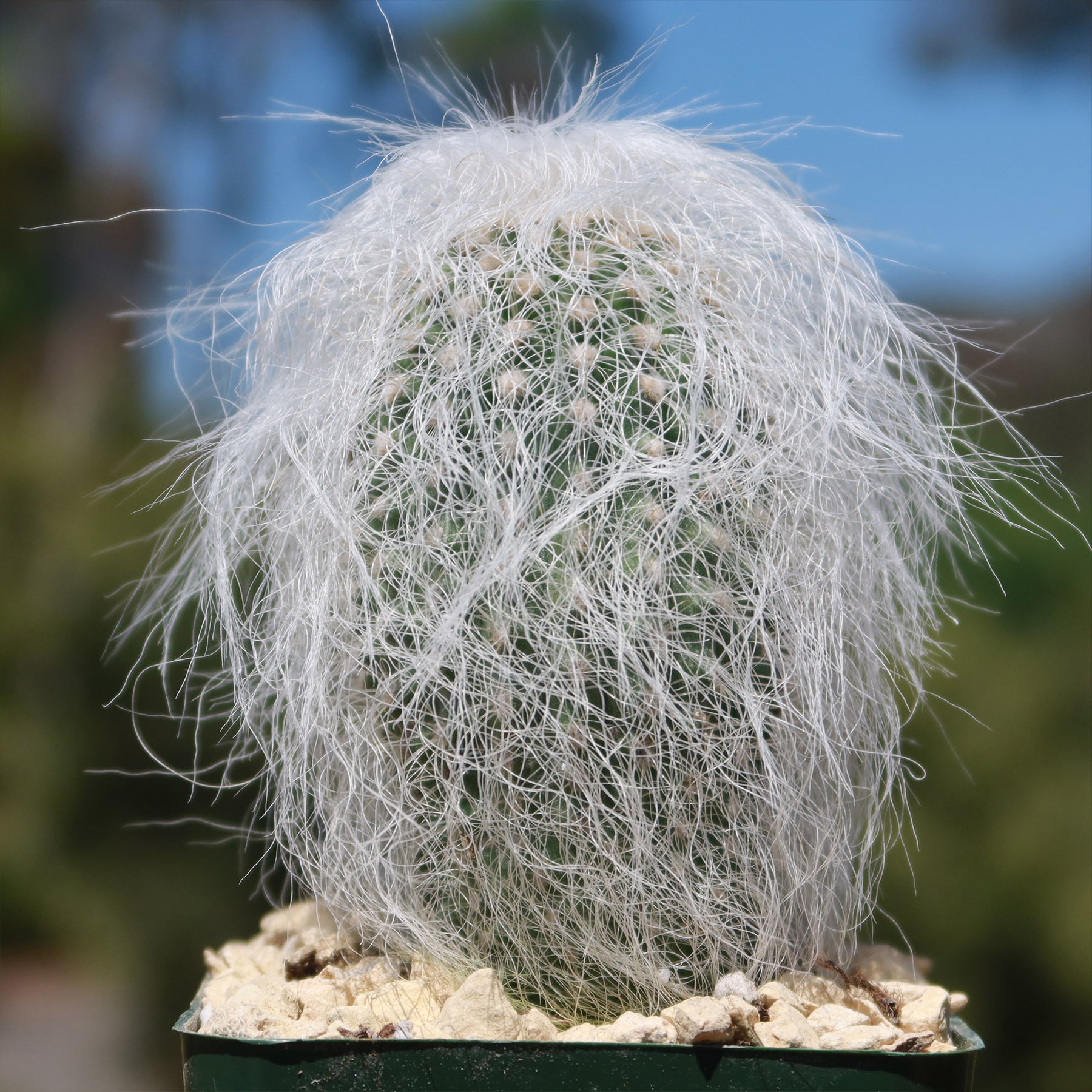
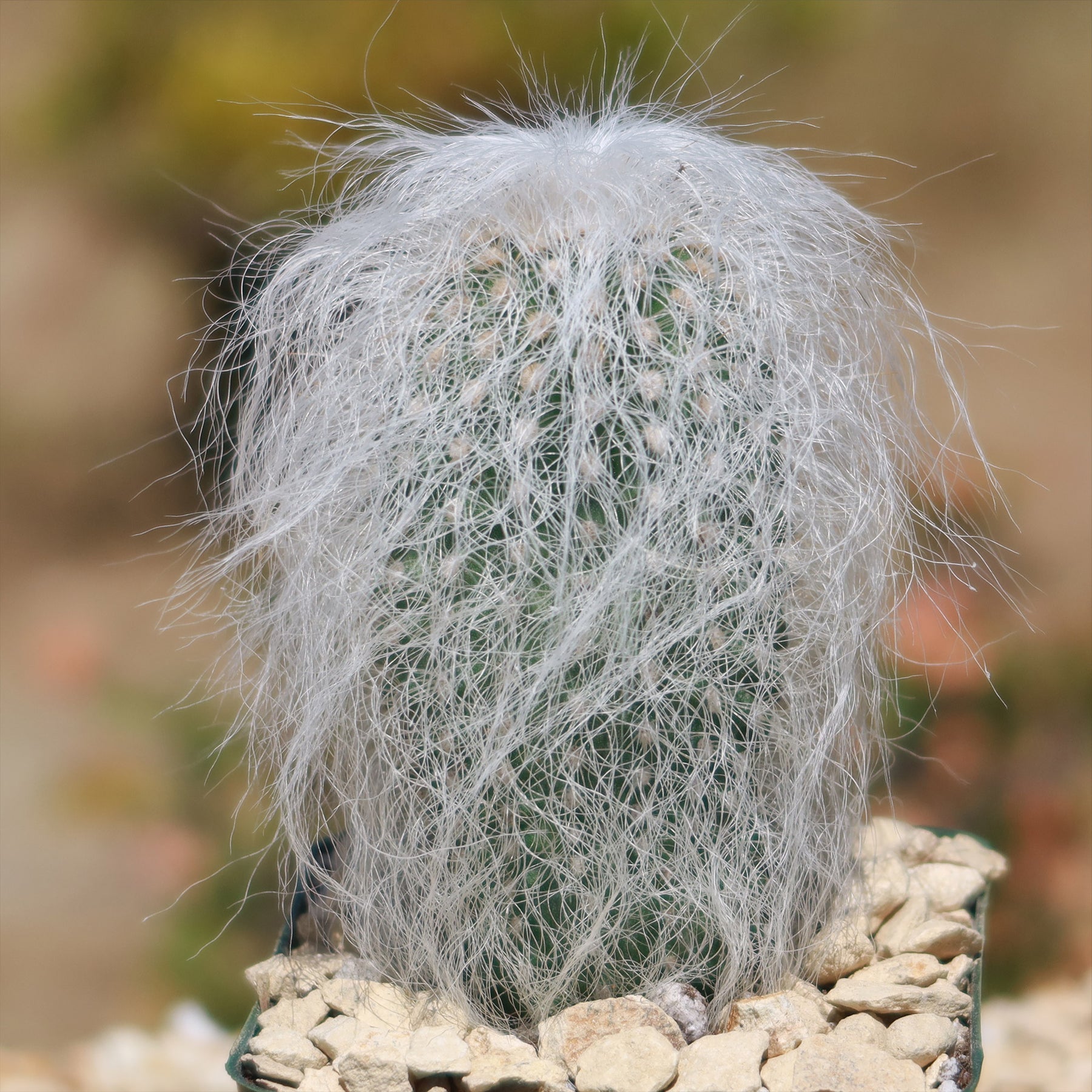
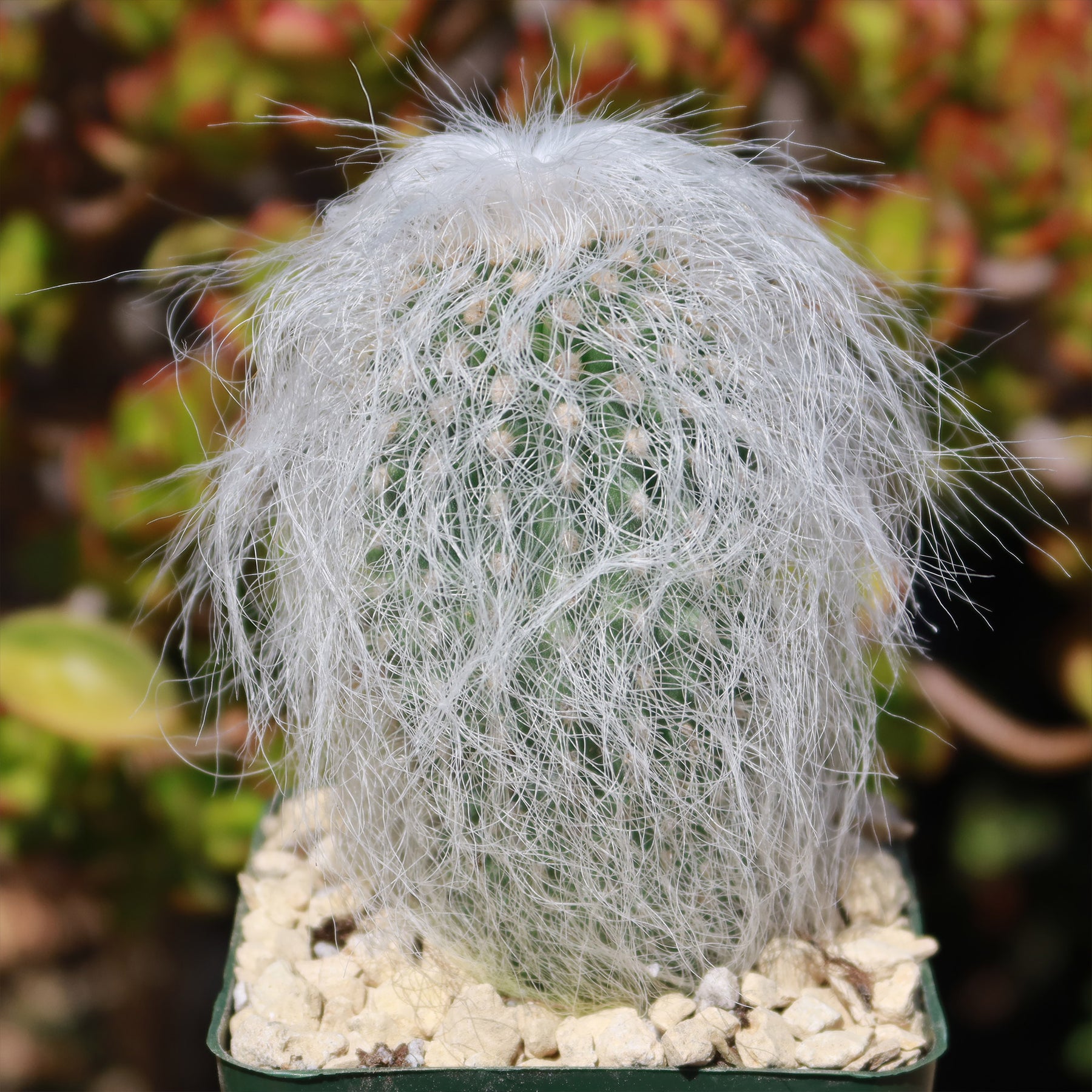
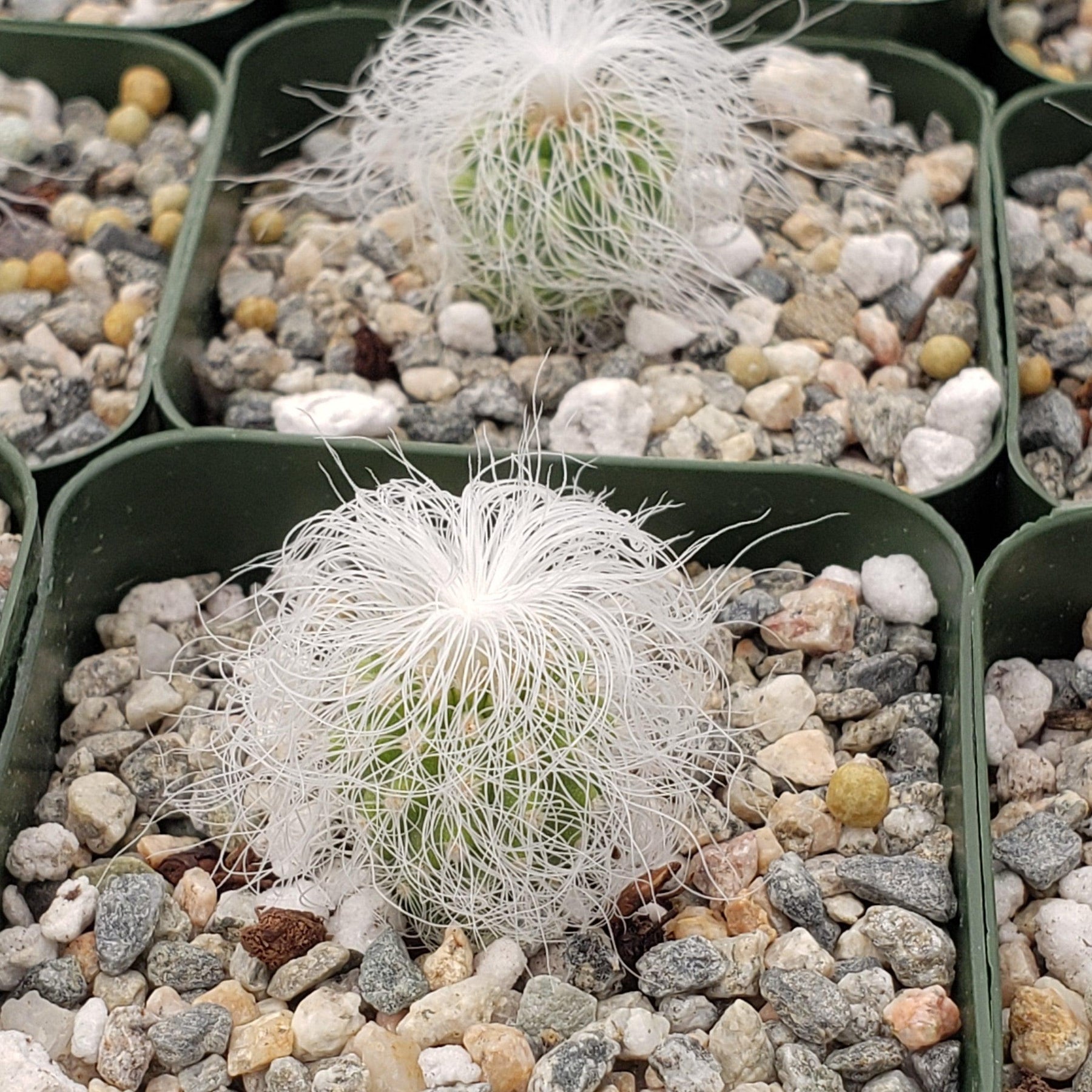
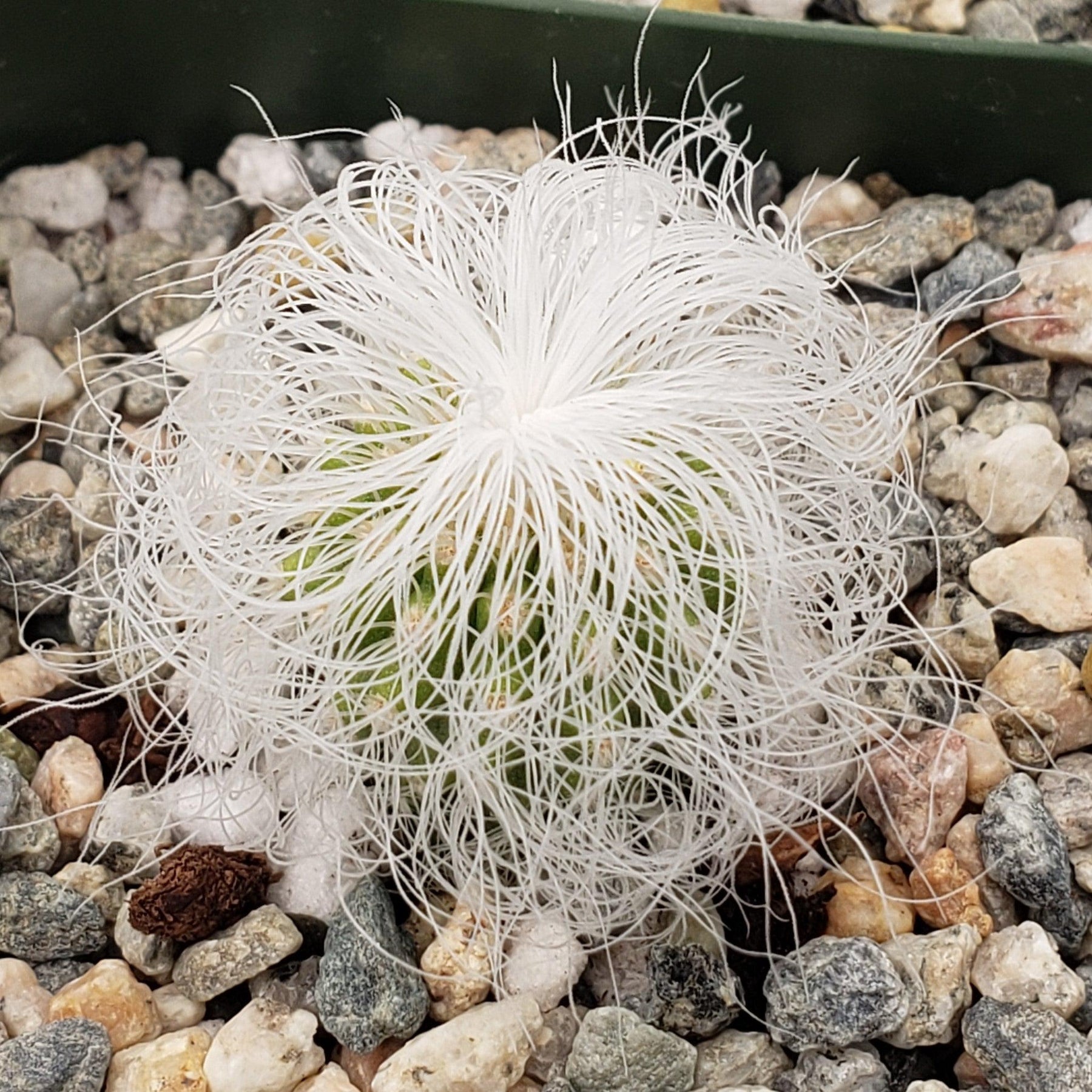
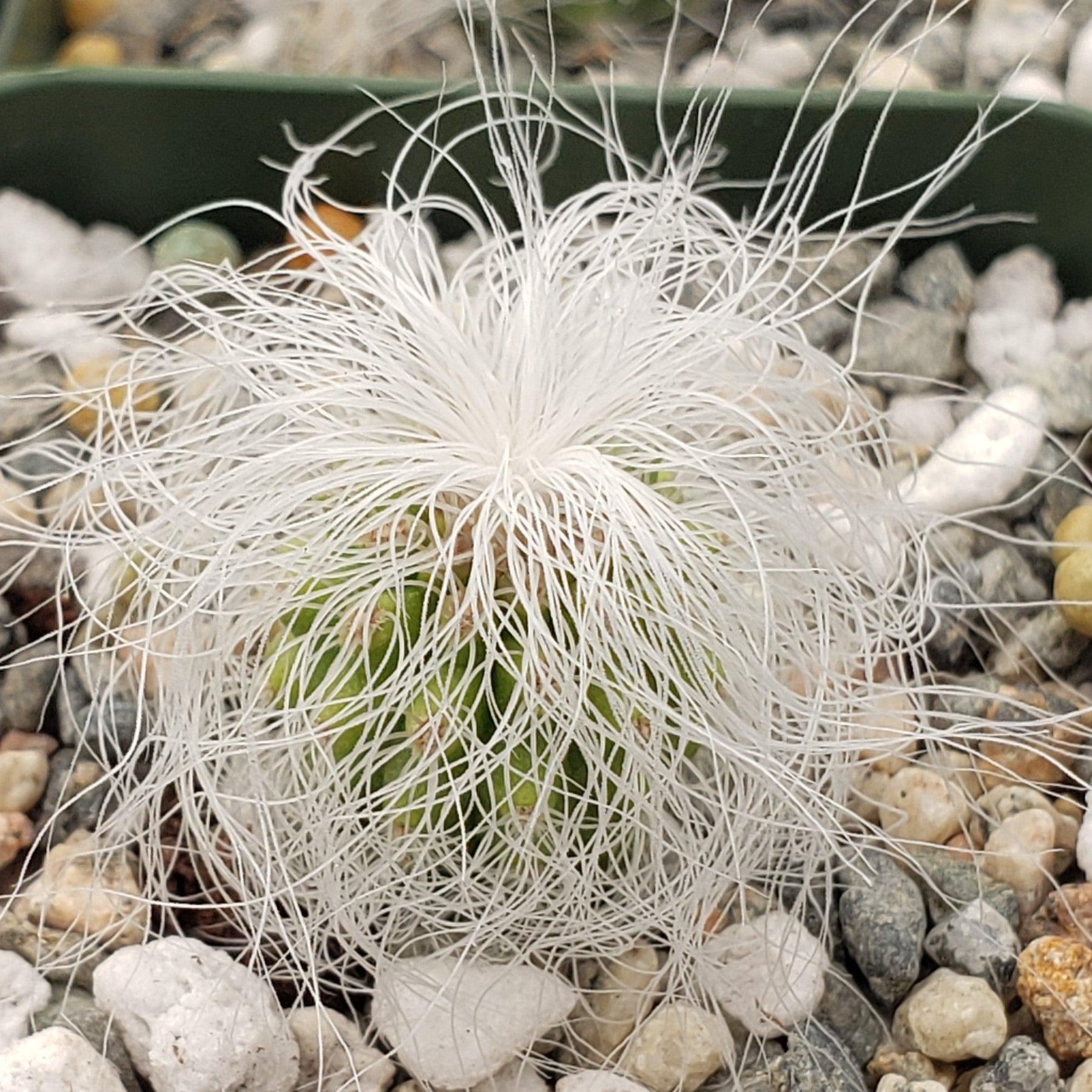
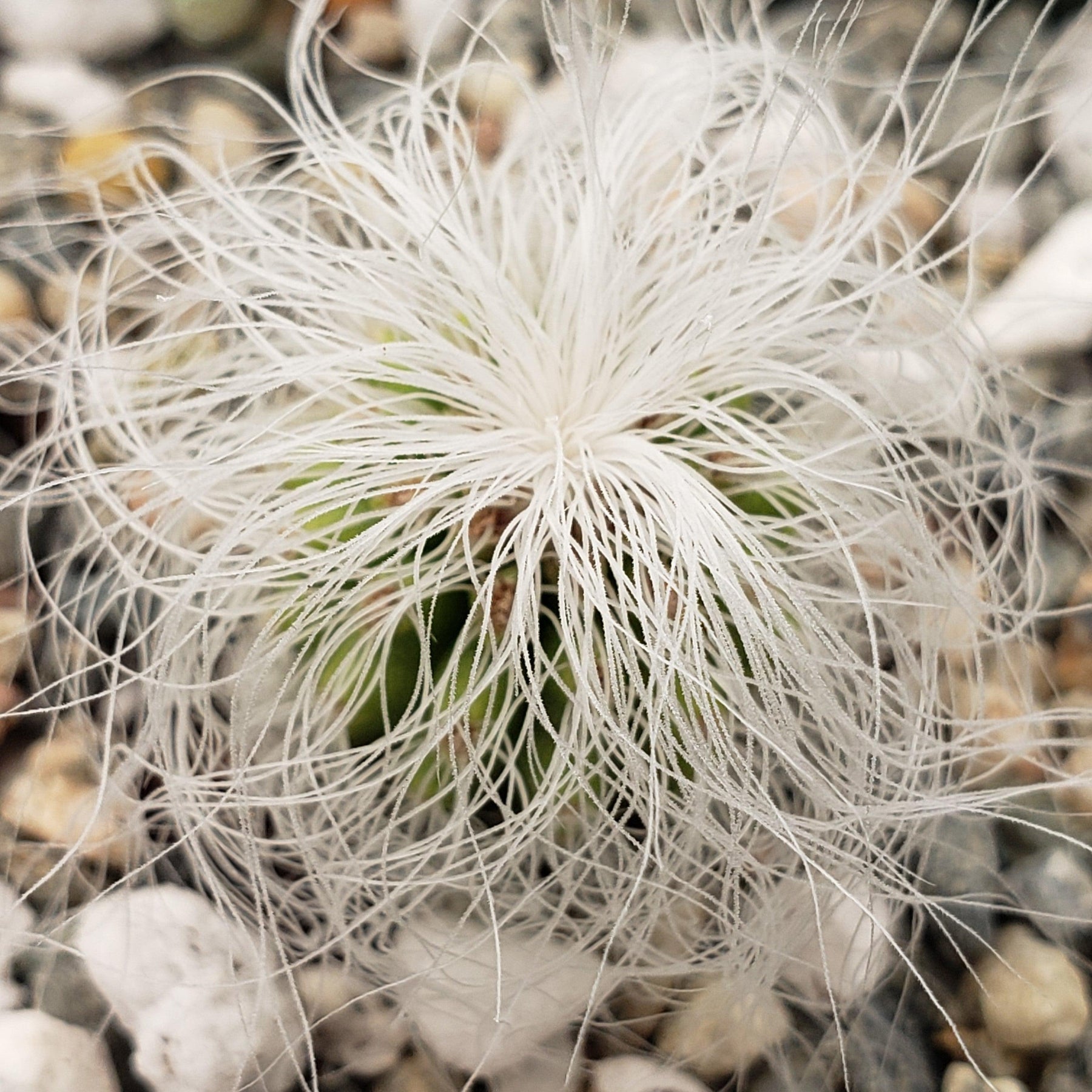
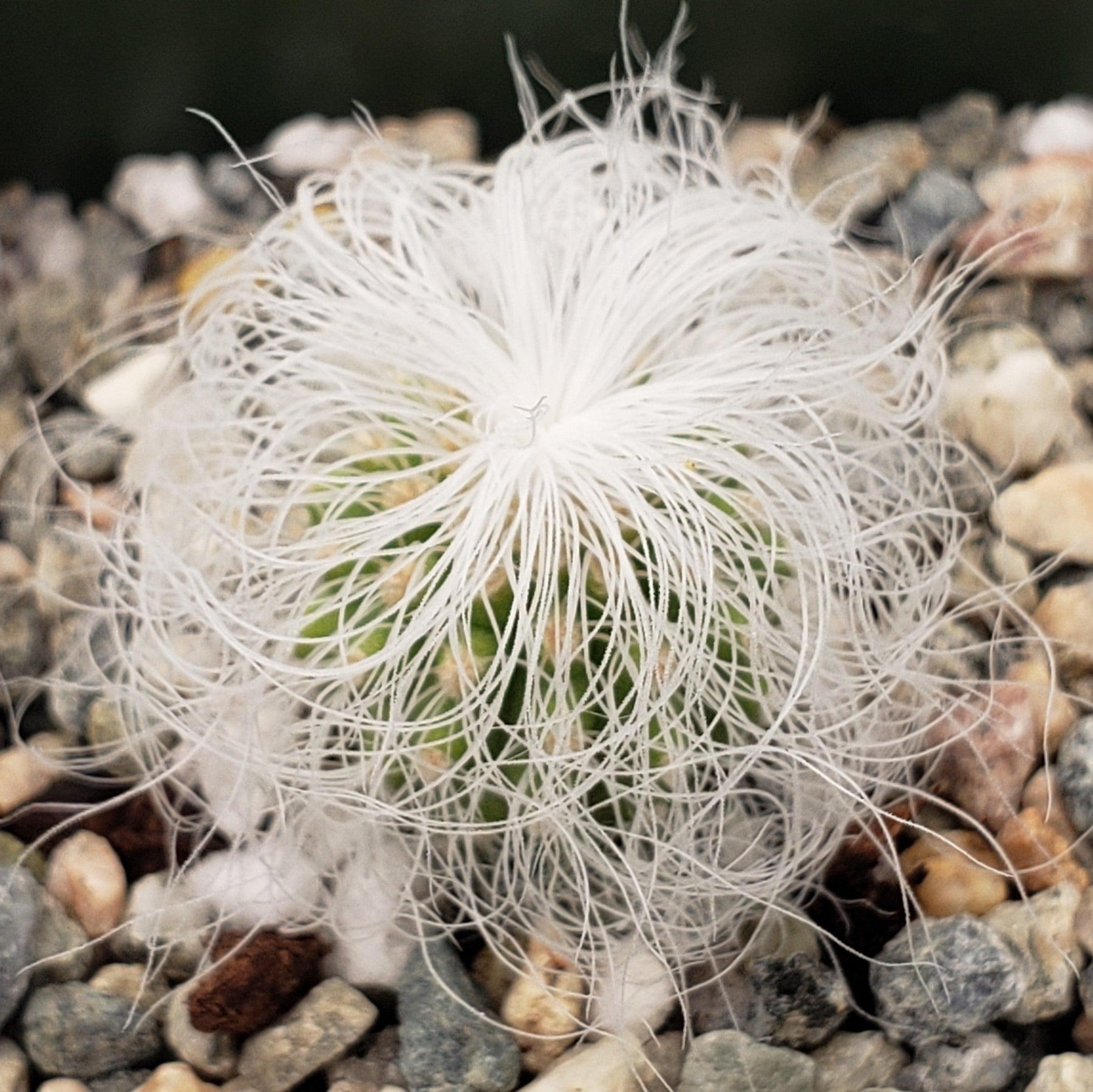
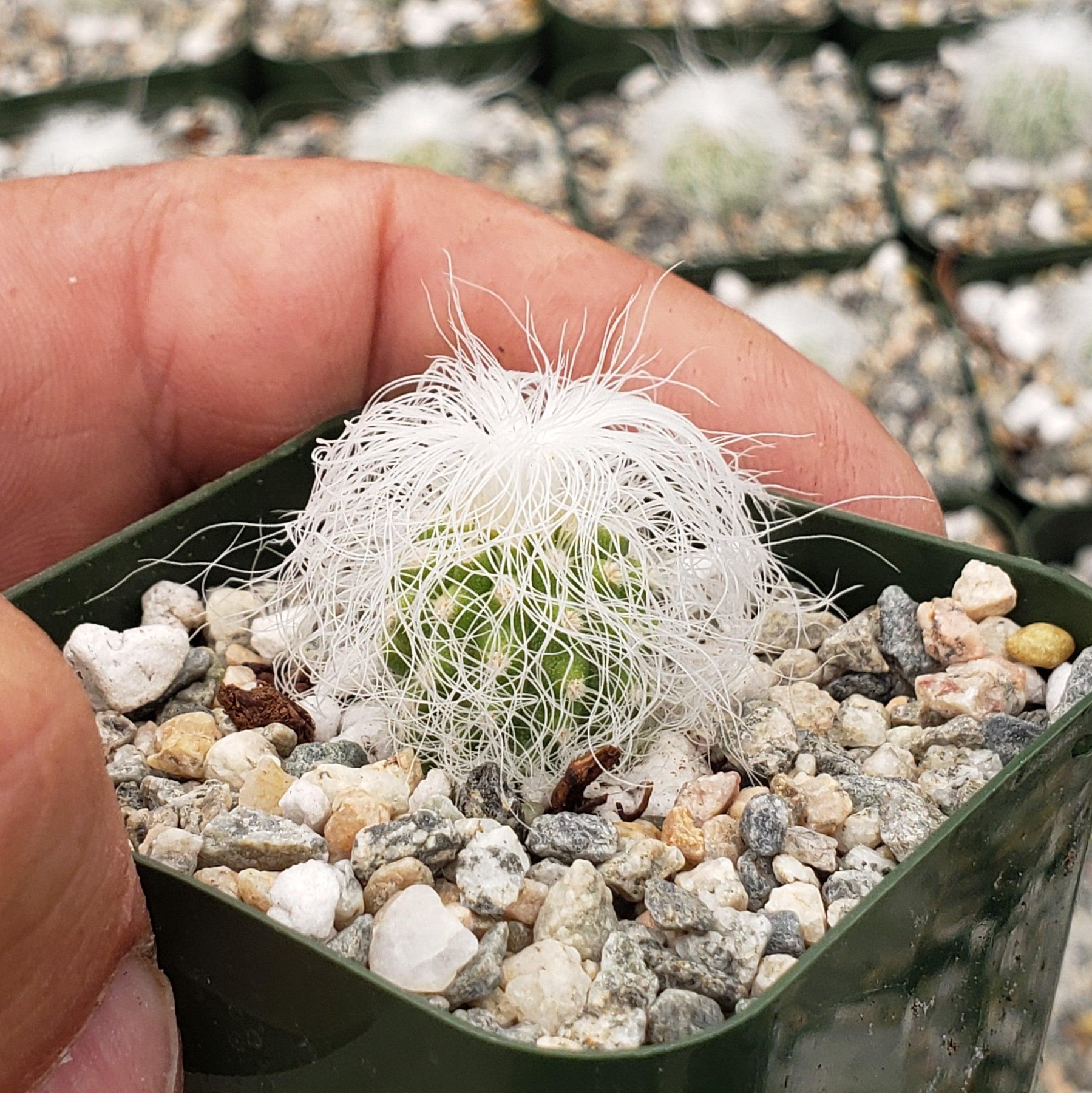
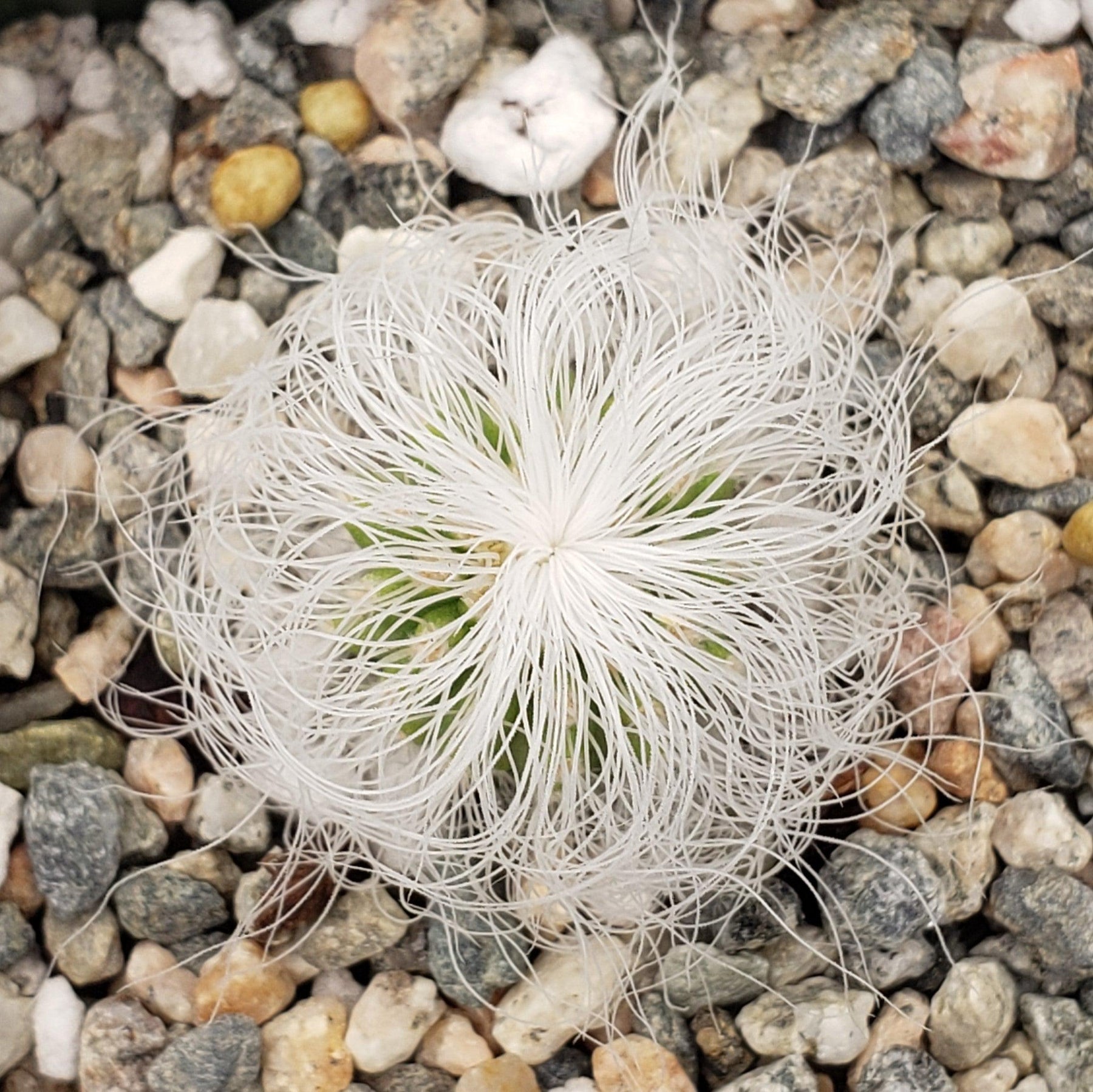
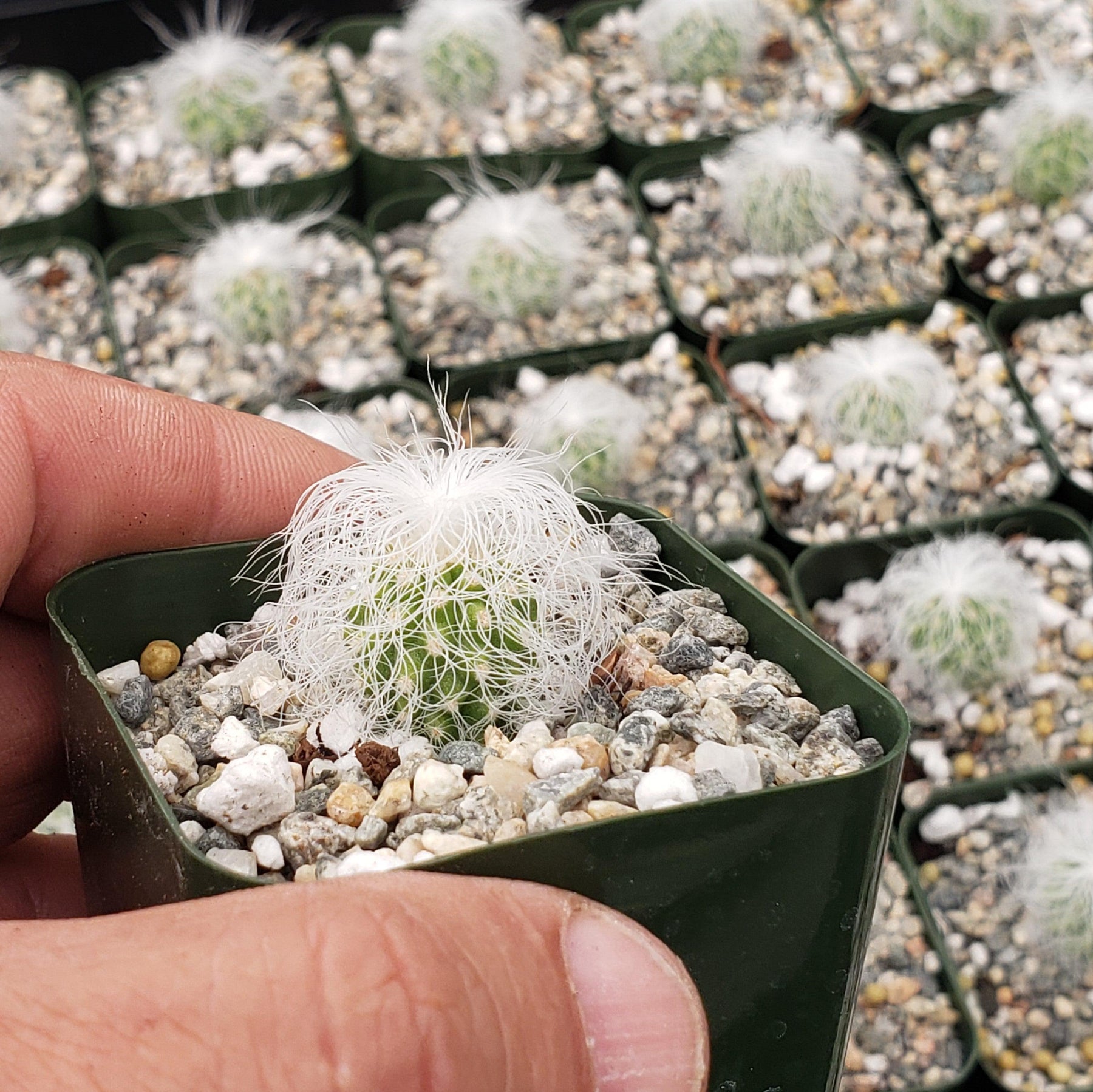
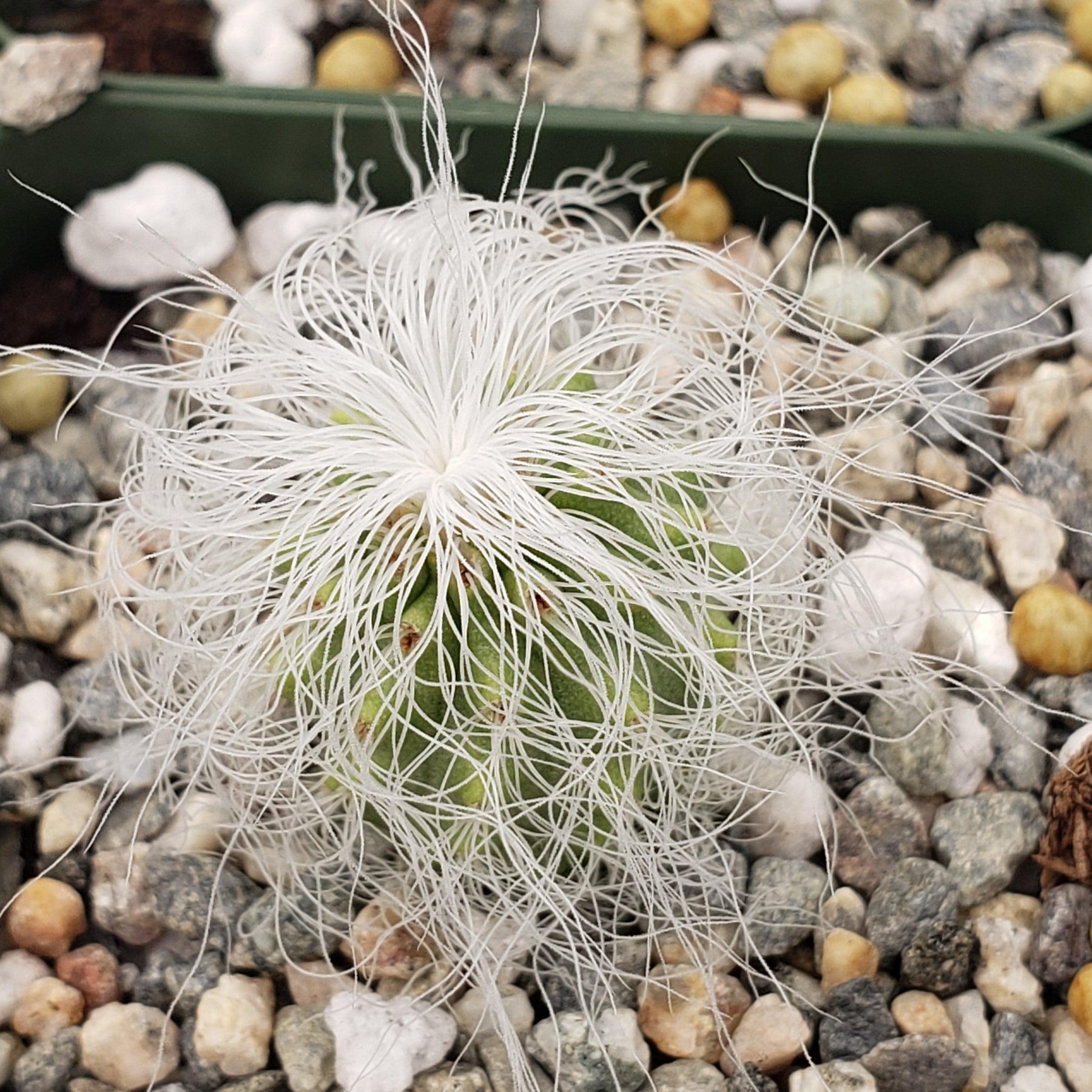
The old man cactus known as Cephalocereus senilis is fascinating cactus that is also known as the bunny cactus or white Persian cat cactus. Native to the dry regions of Mexico, its fuzzy coat is more than just decorative. It helps protect the cactus from intense sunlight and temperature extremes in its natural habitat. It is one of the most eye-catching cacti you can grow.

When springtime arrives, this cactus unveils stunning two-inch-long flowers in whitish-pink hues that bloom exclusively under the cover of night.
As if that wasn't enough charm already packed into one cactus body, after these ethereal blooms fade away, pinkish-red fruits take their place adorned by delightful yellowish hair.
The flowering areoles develop an abundance of wool which confluently forms a dense mass called a pseudocephalium at the top or on one side near the top.
This slow-growing columnar and erect cactus boasts numerous unbranched stems and can grow up to 20 feet or more in its native habitat.
It is also known for its impressive longevity, with some specimens living for more than 200 years.
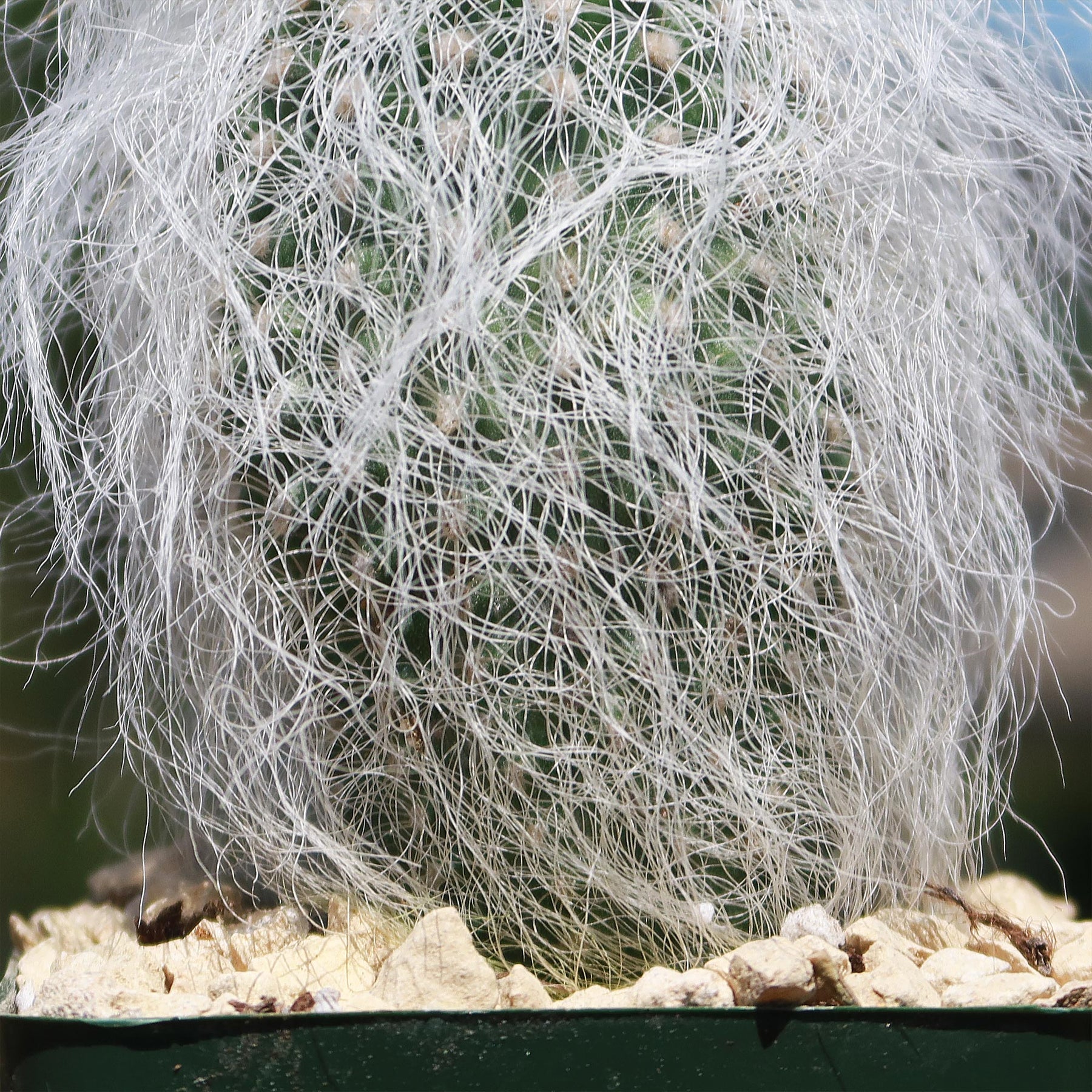
Covered in long, silky white hairs that resemble an elderly man's beard, this unusual plant stands out in any cactus collection.
There are countless tiny sharp yellow modified spines concealed beneath that shaggy coat, ready to prick any unsuspecting intruders who dare to mess with this epic botanical wonder. This hairy cactus can be easily propagated by stem cuttings. Not only is it safe for humans, but it's also friendly to pets! So why wait?
When and How to Water Your Old Man Cactus Plant
The old Man cactus is a drought-tolerant plant and doesn't require a lot of watering. It's important to let the soil dry out completely between waterings, as overwatering can cause the roots to rot.
Water your cactus every 2 to 3 weeks during the growing season and reduce watering to once a month or less during winter dormancy.
In spring and summer, water only when the soil has dried out completely. Give the plant a thorough soaking until water drains from the bottom of the pot, then allow the soil to dry fully before watering again.
In fall and winter, the cactus requires much less water because growth slows significantly. In many cases, a light watering once a month is sufficient, especially in cooler indoor conditions.
Always use a specialized cactus soil and a pot with drainage holes to prevent excess moisture from collecting around the roots. It is very sensitive to overwatering, which can quickly lead to root rot and other fungal problems.
Before watering, check the soil moisture by inserting your finger about 2 inches into the soil. If it feels completely dry, it's time to water. When in doubt, wait a few more days, as this cactus tolerates underwatering far better than excess moisture.
Light Requirements - Where to Place Your Old Man Cactus

When growing indoors, this cactus prefers direct, bright sunlight and can tolerate full sun for most of the day.
Place it in a location where it can receive at least 4 to 6 hours of sunlight a day such as near a south- or west-facing window.
If this fuzzy cactus isn't getting enough light, it may become leggy, and the yellow spines may turn brown. Rotate the pot occasionally to ensure even growth and prevent the cactus from leaning toward the light source.
When growing outdoors, this plant thrives in a sunny location where it can receive at least 6 to 8 hours of direct sunlight each day.
The plant's long, white hairs help protect it from intense sunlight and heat, making it well-suited to desert and drought-prone landscapes.
Optimal Soil & Fertilizer Needs
The old man cactus prefers soil that is well-draining, which means that water can flow through it easily. This is important because the cactus is susceptible to root rot if it sits in water for too long. Cactus soil mixes that contains equal parts of sand, perlite, and potting soil are a good choice because they are specifically designed to provide good drainage.
You can also use our specialized cactus potting mix that contains 5 natural substrates and mycorrhizae to promote the development of a strong root system that helps your cactus to thrive.
When it comes to fertilizing the old man cactus, doesn't require a lot of nutrients. In fact, over-fertilizing can be harmful to this fuzzy cactus. You can fertilize the cactus once a year with balanced, NPK with a rartio around 5-10-5. If you notice that your cactus isn't growing as quickly as you'd like, you can increase the frequency of fertilization, but be careful not to overdo it.
Hardiness Zone & More

In the United States, the old man cacti is mostly an indoor plant, but if you live in southern Florida or Hawaii, then you can cultivate it outdoors in USDA zones 9-11.
This hairy cactus enjoys hot temperatures above 70°F and can tolerate triple digits in the summer, so don't worry if your cactus gets too hot.
This plant cannot handle frost, cold, or freezing temperatures, so make sure it doesn't get below 45°F in its environment.
This cactus also prefers low humidity and good air circulation, similar to the arid conditions of its native habitat in Mexico. While it can tolerate moderate humidity, prolonged exposure to damp, humid conditions may increase the risk of fungal problems and rot, especially if the soil remains wet. For this reason, it should always be planted in fast-draining soil and watered sparingly.
How to Best Grow Indoors
The Old Man Cactus (Cephalocereus senilis) is a low-maintenance houseplant that thrives in bright light, warm temperatures, and dry conditions.
- Place it near a south- or west-facing window where it can receive at least 4 to 6 hours of direct sunlight daily.
- Grow it in a fast-draining specialized cactus soil mix and a pot with drainage holes.
- Water only when the soil is completely dry to prevent root rot.
- Reduce watering during winter when the cactus enters its dormant period.
- Keep indoor temperatures between 70°F and 90°F for optimal growth.
- Maintain low humidity levels and good air circulation around the plant.
- Avoid touching the white hairs frequently to keep them clean and attractive.
Wildlife – Old Man Cactus Flowers Attract the Following Friendly Pollinators
The Old Man Cactus flowers attracts primarily nectar-feeding bats and night-flying moths, which pollinate its fragrant, night-blooming flowers. These nocturnal pollinators are drawn to the flowers' sweet scent and nectar, helping transfer pollen between plants.
According to the ASPCA, the Cephalocereus senilis is non-toxic humans and pets so it is safe for most households. It also does not contain toxic sap or chemicals that are harmful to humans. However, its soft, white hairs can be misleading because they conceal sharp spines underneath. For safety, wear gloves when handling or repotting the plant.
How to Propagate Your Old Man Cactus Plant
This cactus is most commonly propagated from seeds, as it rarely produces offsets. To propagate from seeds, fill a small pot or seed tray with a well-draining cactus mix and lightly sow the seeds on the soil surface. Keep the soil slightly moist and place the container in a warm location with bright, indirect light. Once the seeds sprout, provide good airflow and gradually expose the seedlings to more light.
Key Takeaways
- The old man cactus is popular for its long, silky white hairs that resemble an elderly man's beard making it one of the most distinctive and sought-after cacti among plant collectors.
- With proper care, the it can live for more than 200 years and become a long-lived companion.
- Mature plants produce fragrant pinkish-white flowers that open after sunset and attract pollinators such as bats and moths.
- It is safe for humans and pets, making it a great choice for pet-friendly homes.
- It adapts well to pots, making it an excellent choice for apartments, patios, balconies, and sunny windowsills.
- Its unusual form and cascading white hairs give it an artistic, almost whimsical appearance that fits modern, desert, and minimalist décor styles.
Final Thoughts
The Old Man Cactus Cephalocereus senilis is a one-of-a-kind plant that combines unusual beauty with easy care. Its long, silky white hairs, impressive lifespan, and drought tolerance make it a favorite among cactus enthusiasts and collectors alike. Whether displayed on a sunny windowsill, patio, or cactus garden, this eye-catching cactus adds character and texture to any space. If you're looking for a distinctive plant that's both beginner-friendly and conversation-worthy, the Old Man Cactus is an excellent choice.
Bloom Season
Flower Color
Growth Rate
Hardiness Zone
Mature Size
Plant Type
Resistance
Sun Exposure
Watering Needs
| Attribute | Value |
|---|---|
| Bloom Season | Spring, summer |
| Botanical Name | Cephalocereus senilis |
| Common Name | Old man cactus, bunny cactus, white Persian cat cactus |
| Dormancy | Winter |
| Family | Cactaceae |
| Flower Color | Red, yellow, White, pink |
| Genus | Cephalocereus |
| Growth Habit | Columnar, erect |
| Growth Rate | Slow |
| Hardiness Zone | 9, 10, 11 |
| Mature Size | 20 ft. tall |
| Native Area | Mexico |
| Plant Type | Perennial cactus |
| Propagation | By stem cuttings |
| Resistance | Extremely drought-tolerant, pest resistant, deer resistant, heat tolerant |
| Soil PH | 6.5, Acidic, Neutral |
| Soil Type | specialized cactus potting mix |
| Special Features | Showy flowers |
| Sun Exposure | Full sun (6+ hrs.), Partial shade (3–6 hrs. sun) |
| Toxicity | Safe for humans, friendly to dogs, friendly to cats |
| Watering Needs | Low |
Growers Quick Reference Guide - Key Features
| Attribute | Value |
|---|---|
| Bloom Season | Spring, summer |
| Botanical Name | Cephalocereus senilis |
| Common Name | Old man cactus, bunny cactus, white Persian cat cactus |
| Dormancy | Winter |
| Family | Cactaceae |
| Flower Color | Red, yellow, White, pink |
| Genus | Cephalocereus |
| Growth Habit | Columnar, erect |
| Growth Rate | Slow |
| Hardiness Zone | 9, 10, 11 |
| Mature Size | 20 ft. tall |
| Native Area | Mexico |
| Plant Type | Perennial cactus |
| Propagation | By stem cuttings |
| Resistance | Extremely drought-tolerant, pest resistant, deer resistant, heat tolerant |
| Soil PH | 6.5, Acidic, Neutral |
| Soil Type | specialized cactus potting mix |
| Special Features | Showy flowers |
| Sun Exposure | Full sun (6+ hrs.), Partial shade (3–6 hrs. sun) |
| Toxicity | Safe for humans, friendly to dogs, friendly to cats |
| Watering Needs | Low |
- Description
- Key Plant Features
The old man cactus known as Cephalocereus senilis is fascinating cactus that is also known as the bunny cactus or white Persian cat cactus. Native to the dry regions of Mexico, its fuzzy coat is more than just decorative. It helps protect the cactus from intense sunlight and temperature extremes in its natural habitat. It is one of the most eye-catching cacti you can grow.
When springtime arrives, this cactus unveils stunning two-inch-long flowers in whitish-pink hues that bloom exclusively under the cover of night.
As if that wasn't enough charm already packed into one cactus body, after these ethereal blooms fade away, pinkish-red fruits take their place adorned by delightful yellowish hair.
The flowering areoles develop an abundance of wool which confluently forms a dense mass called a pseudocephalium at the top or on one side near the top.
This slow-growing columnar and erect cactus boasts numerous unbranched stems and can grow up to 20 feet or more in its native habitat.
It is also known for its impressive longevity, with some specimens living for more than 200 years.
Covered in long, silky white hairs that resemble an elderly man's beard, this unusual plant stands out in any cactus collection.
There are countless tiny sharp yellow modified spines concealed beneath that shaggy coat, ready to prick any unsuspecting intruders who dare to mess with this epic botanical wonder. This hairy cactus can be easily propagated by stem cuttings. Not only is it safe for humans, but it's also friendly to pets! So why wait?
When and How to Water Your Old Man Cactus Plant
The old Man cactus is a drought-tolerant plant and doesn't require a lot of watering. It's important to let the soil dry out completely between waterings, as overwatering can cause the roots to rot.
Water your cactus every 2 to 3 weeks during the growing season and reduce watering to once a month or less during winter dormancy.
In spring and summer, water only when the soil has dried out completely. Give the plant a thorough soaking until water drains from the bottom of the pot, then allow the soil to dry fully before watering again.
In fall and winter, the cactus requires much less water because growth slows significantly. In many cases, a light watering once a month is sufficient, especially in cooler indoor conditions.
Always use a specialized cactus soil and a pot with drainage holes to prevent excess moisture from collecting around the roots. It is very sensitive to overwatering, which can quickly lead to root rot and other fungal problems.
Before watering, check the soil moisture by inserting your finger about 2 inches into the soil. If it feels completely dry, it's time to water. When in doubt, wait a few more days, as this cactus tolerates underwatering far better than excess moisture.
Light Requirements - Where to Place Your Old Man Cactus
When growing indoors, this cactus prefers direct, bright sunlight and can tolerate full sun for most of the day.
Place it in a location where it can receive at least 4 to 6 hours of sunlight a day such as near a south- or west-facing window.
If this fuzzy cactus isn't getting enough light, it may become leggy, and the yellow spines may turn brown. Rotate the pot occasionally to ensure even growth and prevent the cactus from leaning toward the light source.
When growing outdoors, this plant thrives in a sunny location where it can receive at least 6 to 8 hours of direct sunlight each day.
The plant's long, white hairs help protect it from intense sunlight and heat, making it well-suited to desert and drought-prone landscapes.
Optimal Soil & Fertilizer Needs
The old man cactus prefers soil that is well-draining, which means that water can flow through it easily. This is important because the cactus is susceptible to root rot if it sits in water for too long. Cactus soil mixes that contains equal parts of sand, perlite, and potting soil are a good choice because they are specifically designed to provide good drainage.
You can also use our specialized cactus potting mix that contains 5 natural substrates and mycorrhizae to promote the development of a strong root system that helps your cactus to thrive.
When it comes to fertilizing the old man cactus, doesn't require a lot of nutrients. In fact, over-fertilizing can be harmful to this fuzzy cactus. You can fertilize the cactus once a year with balanced, NPK with a rartio around 5-10-5. If you notice that your cactus isn't growing as quickly as you'd like, you can increase the frequency of fertilization, but be careful not to overdo it.
Hardiness Zone & More
In the United States, the old man cacti is mostly an indoor plant, but if you live in southern Florida or Hawaii, then you can cultivate it outdoors in USDA zones 9-11.
This hairy cactus enjoys hot temperatures above 70°F and can tolerate triple digits in the summer, so don't worry if your cactus gets too hot.
This plant cannot handle frost, cold, or freezing temperatures, so make sure it doesn't get below 45°F in its environment.
This cactus also prefers low humidity and good air circulation, similar to the arid conditions of its native habitat in Mexico. While it can tolerate moderate humidity, prolonged exposure to damp, humid conditions may increase the risk of fungal problems and rot, especially if the soil remains wet. For this reason, it should always be planted in fast-draining soil and watered sparingly.
How to Best Grow Indoors
The Old Man Cactus (Cephalocereus senilis) is a low-maintenance houseplant that thrives in bright light, warm temperatures, and dry conditions.
- Place it near a south- or west-facing window where it can receive at least 4 to 6 hours of direct sunlight daily.
- Grow it in a fast-draining specialized cactus soil mix and a pot with drainage holes.
- Water only when the soil is completely dry to prevent root rot.
- Reduce watering during winter when the cactus enters its dormant period.
- Keep indoor temperatures between 70°F and 90°F for optimal growth.
- Maintain low humidity levels and good air circulation around the plant.
- Avoid touching the white hairs frequently to keep them clean and attractive.
Wildlife – Old Man Cactus Flowers Attract the Following Friendly Pollinators
The Old Man Cactus flowers attracts primarily nectar-feeding bats and night-flying moths, which pollinate its fragrant, night-blooming flowers. These nocturnal pollinators are drawn to the flowers' sweet scent and nectar, helping transfer pollen between plants.
According to the ASPCA, the Cephalocereus senilis is non-toxic humans and pets so it is safe for most households. It also does not contain toxic sap or chemicals that are harmful to humans. However, its soft, white hairs can be misleading because they conceal sharp spines underneath. For safety, wear gloves when handling or repotting the plant.
How to Propagate Your Old Man Cactus Plant
This cactus is most commonly propagated from seeds, as it rarely produces offsets. To propagate from seeds, fill a small pot or seed tray with a well-draining cactus mix and lightly sow the seeds on the soil surface. Keep the soil slightly moist and place the container in a warm location with bright, indirect light. Once the seeds sprout, provide good airflow and gradually expose the seedlings to more light.
Key Takeaways
- The old man cactus is popular for its long, silky white hairs that resemble an elderly man's beard making it one of the most distinctive and sought-after cacti among plant collectors.
- With proper care, the it can live for more than 200 years and become a long-lived companion.
- Mature plants produce fragrant pinkish-white flowers that open after sunset and attract pollinators such as bats and moths.
- It is safe for humans and pets, making it a great choice for pet-friendly homes.
- It adapts well to pots, making it an excellent choice for apartments, patios, balconies, and sunny windowsills.
- Its unusual form and cascading white hairs give it an artistic, almost whimsical appearance that fits modern, desert, and minimalist décor styles.
Final Thoughts
The Old Man Cactus Cephalocereus senilis is a one-of-a-kind plant that combines unusual beauty with easy care. Its long, silky white hairs, impressive lifespan, and drought tolerance make it a favorite among cactus enthusiasts and collectors alike. Whether displayed on a sunny windowsill, patio, or cactus garden, this eye-catching cactus adds character and texture to any space. If you're looking for a distinctive plant that's both beginner-friendly and conversation-worthy, the Old Man Cactus is an excellent choice.
Bloom Season
Flower Color
Growth Rate
Hardiness Zone
Mature Size
Plant Type
Resistance
Sun Exposure
Watering Needs
| Attribute | Value |
|---|---|
| Bloom Season | Spring, summer |
| Botanical Name | Cephalocereus senilis |
| Common Name | Old man cactus, bunny cactus, white Persian cat cactus |
| Dormancy | Winter |
| Family | Cactaceae |
| Flower Color | Red, yellow, White, pink |
| Genus | Cephalocereus |
| Growth Habit | Columnar, erect |
| Growth Rate | Slow |
| Hardiness Zone | 9, 10, 11 |
| Mature Size | 20 ft. tall |
| Native Area | Mexico |
| Plant Type | Perennial cactus |
| Propagation | By stem cuttings |
| Resistance | Extremely drought-tolerant, pest resistant, deer resistant, heat tolerant |
| Soil PH | 6.5, Acidic, Neutral |
| Soil Type | specialized cactus potting mix |
| Special Features | Showy flowers |
| Sun Exposure | Full sun (6+ hrs.), Partial shade (3–6 hrs. sun) |
| Toxicity | Safe for humans, friendly to dogs, friendly to cats |
| Watering Needs | Low |
Growers Quick Reference Guide - Key Features
| Attribute | Value |
|---|---|
| Bloom Season | Spring, summer |
| Botanical Name | Cephalocereus senilis |
| Common Name | Old man cactus, bunny cactus, white Persian cat cactus |
| Dormancy | Winter |
| Family | Cactaceae |
| Flower Color | Red, yellow, White, pink |
| Genus | Cephalocereus |
| Growth Habit | Columnar, erect |
| Growth Rate | Slow |
| Hardiness Zone | 9, 10, 11 |
| Mature Size | 20 ft. tall |
| Native Area | Mexico |
| Plant Type | Perennial cactus |
| Propagation | By stem cuttings |
| Resistance | Extremely drought-tolerant, pest resistant, deer resistant, heat tolerant |
| Soil PH | 6.5, Acidic, Neutral |
| Soil Type | specialized cactus potting mix |
| Special Features | Showy flowers |
| Sun Exposure | Full sun (6+ hrs.), Partial shade (3–6 hrs. sun) |
| Toxicity | Safe for humans, friendly to dogs, friendly to cats |
| Watering Needs | Low |