


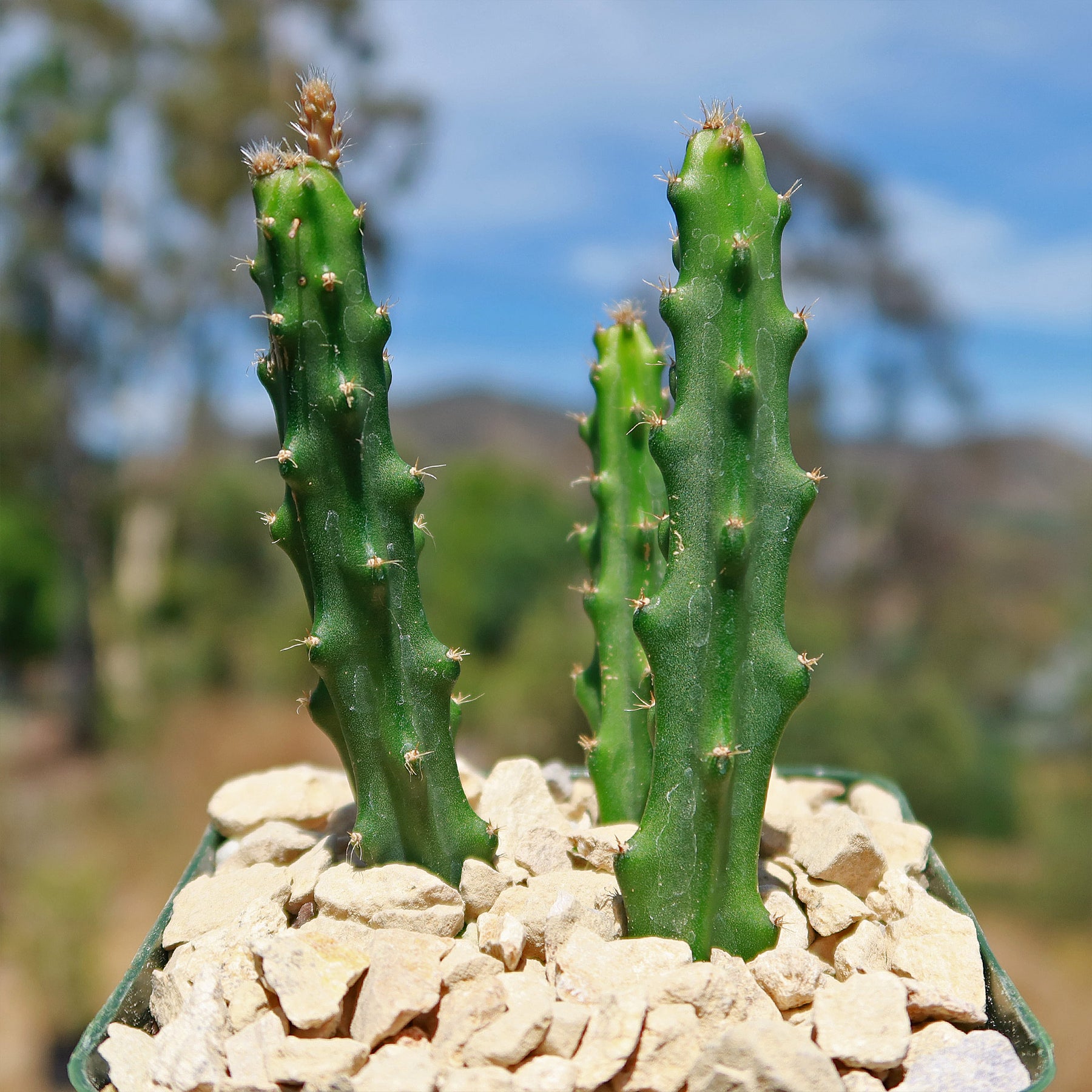
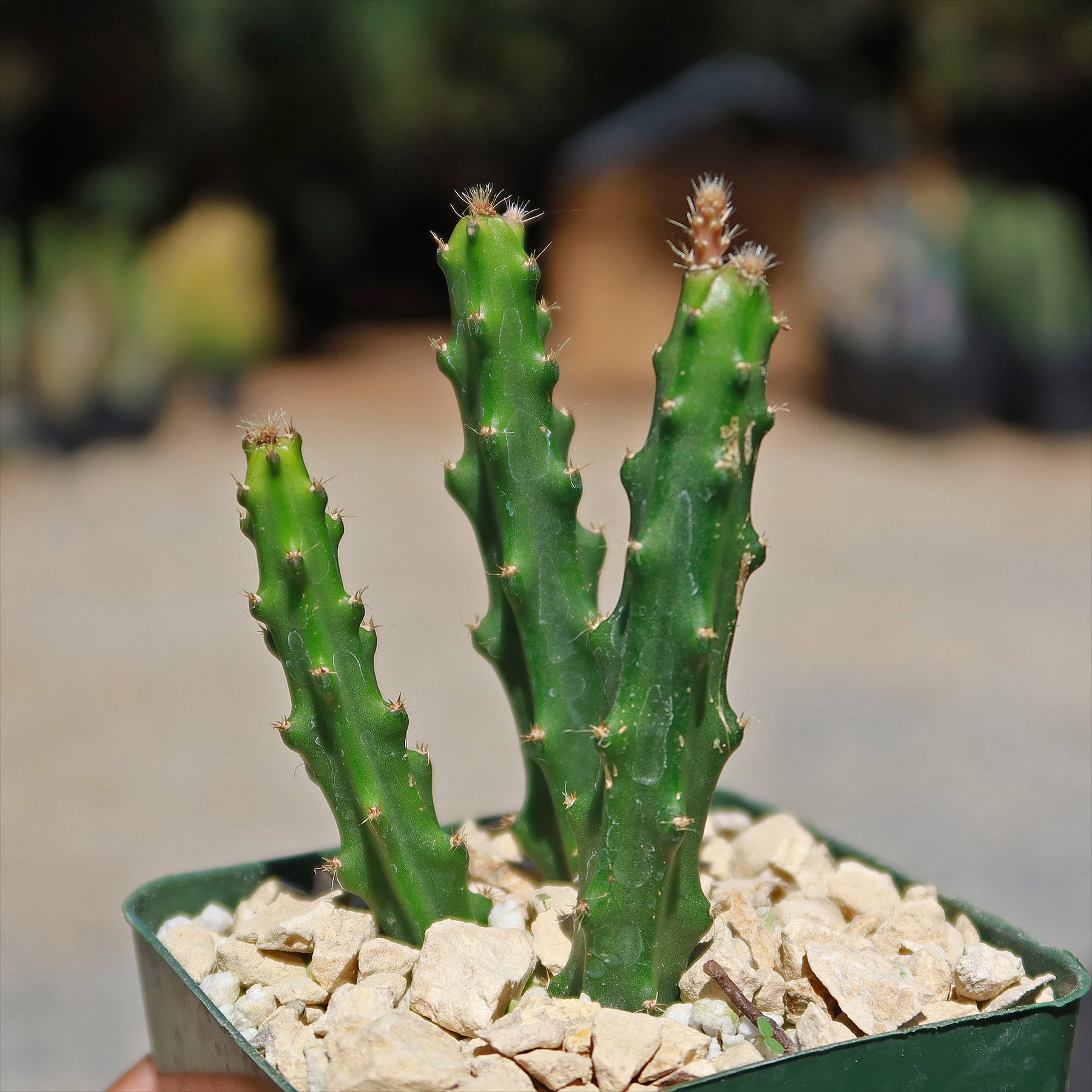
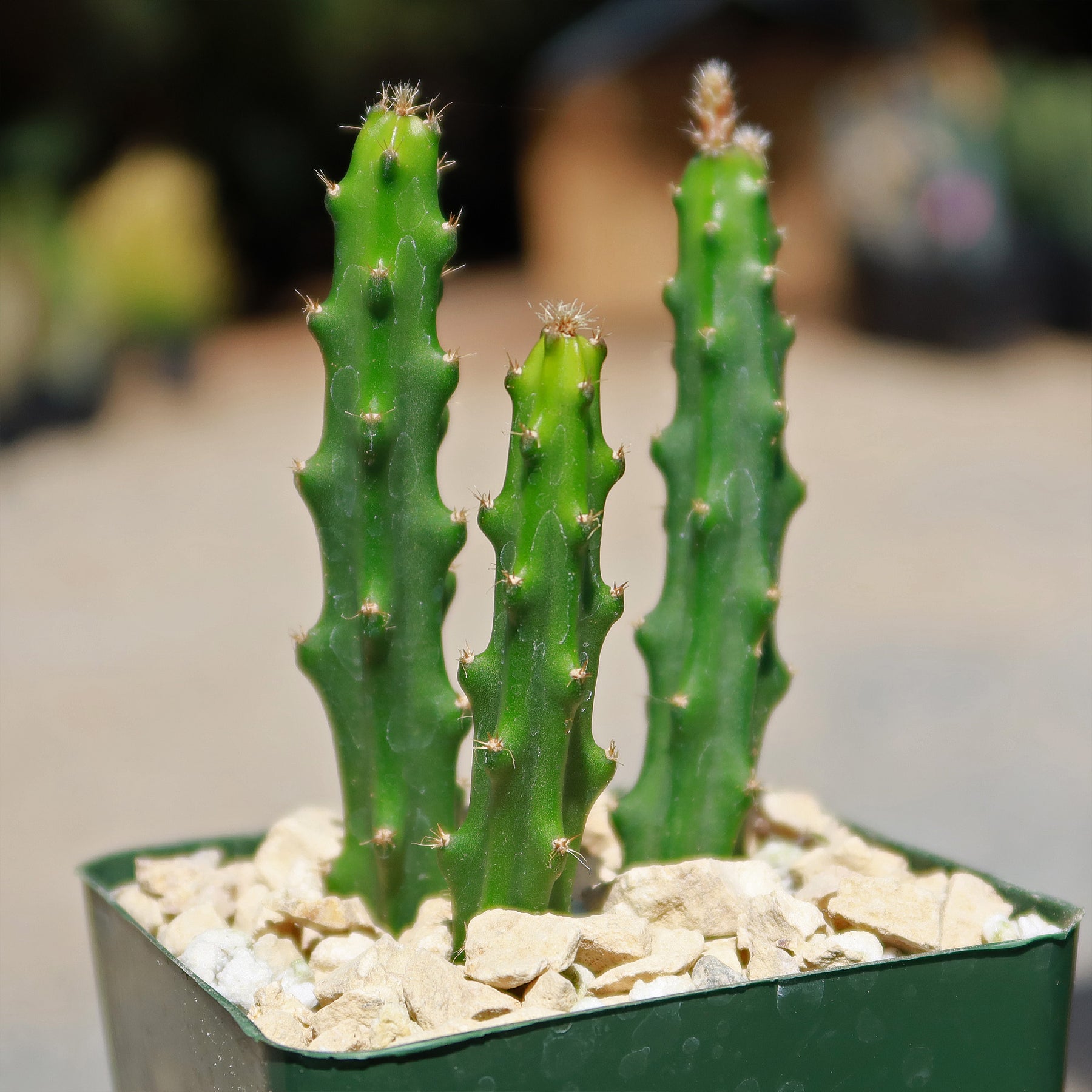
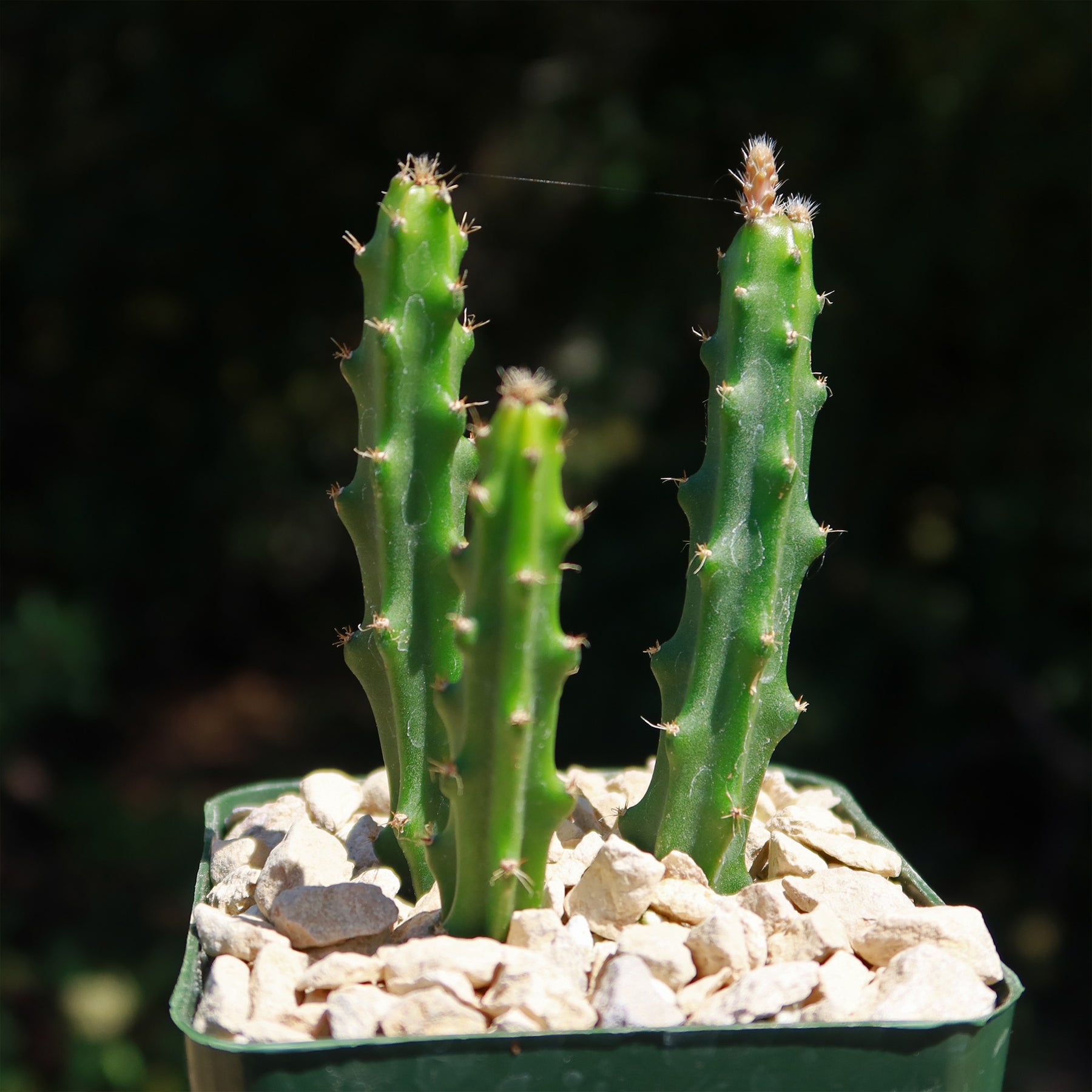
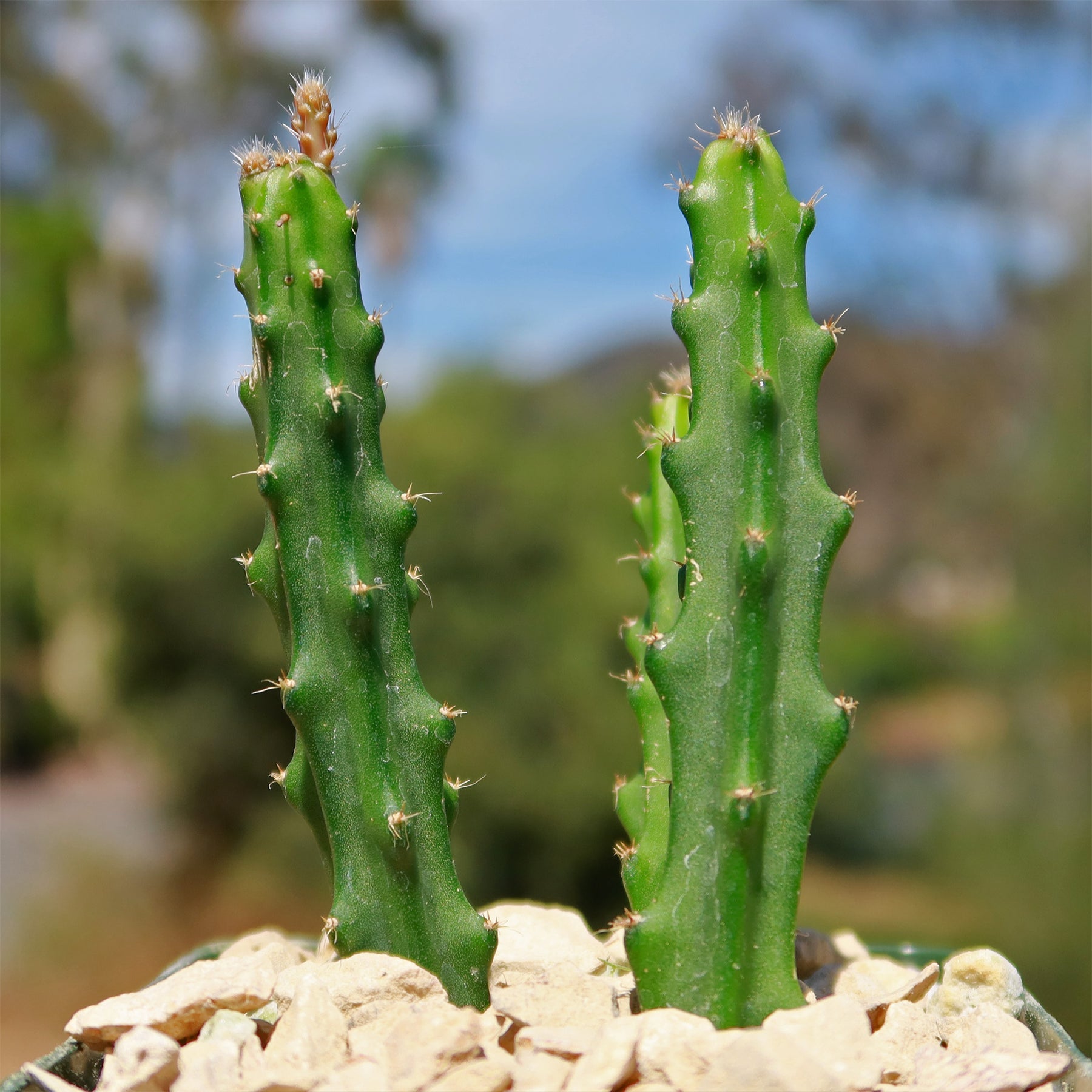
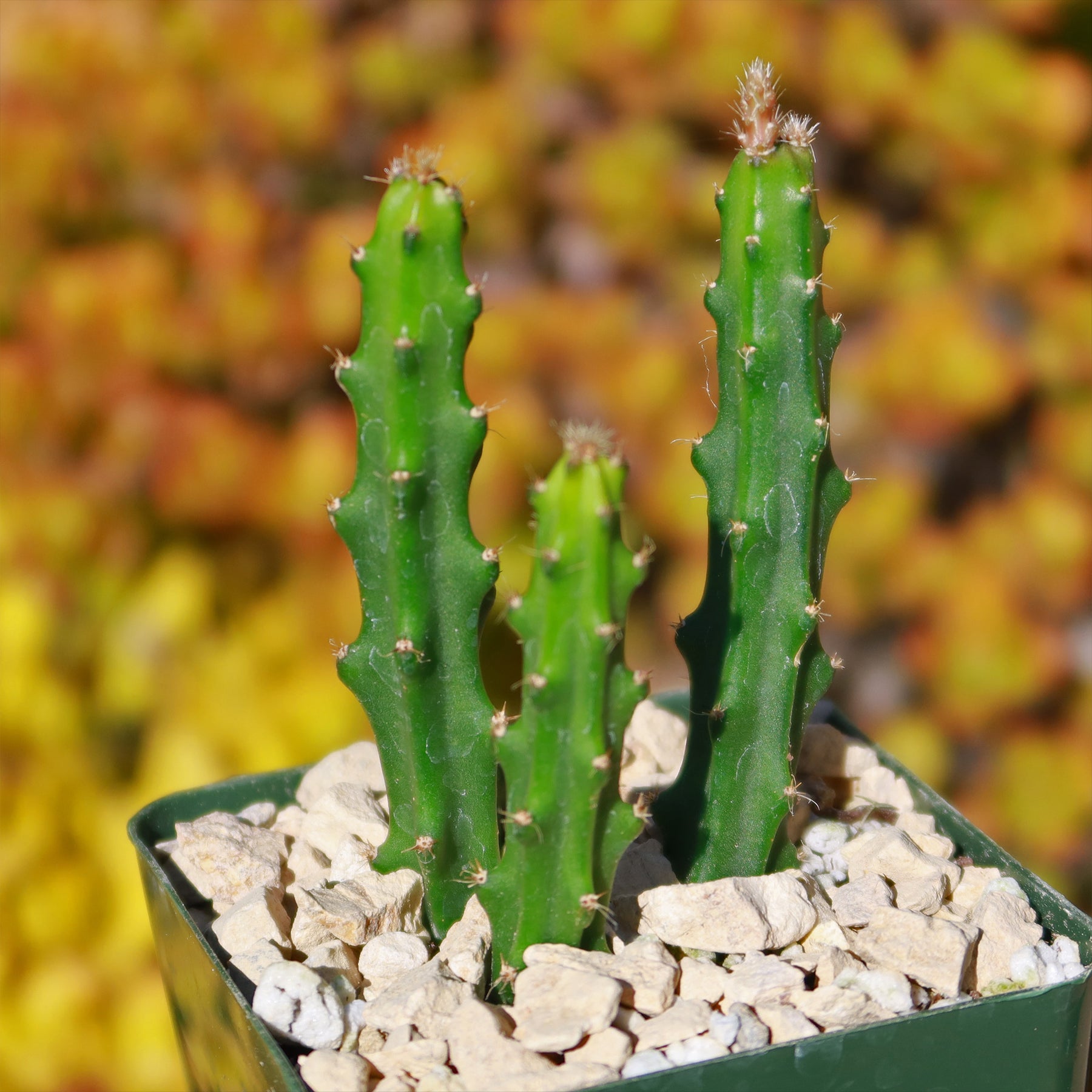
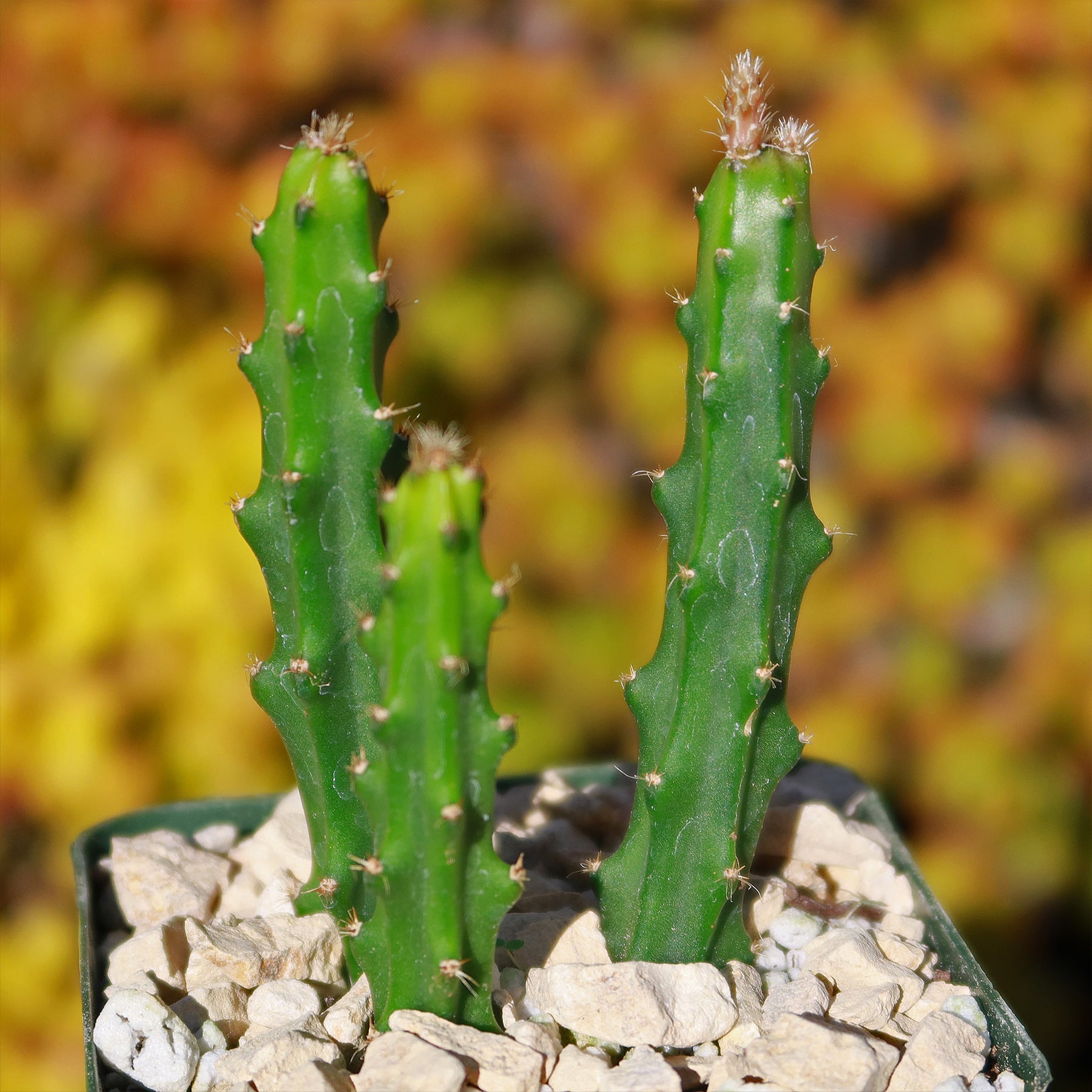
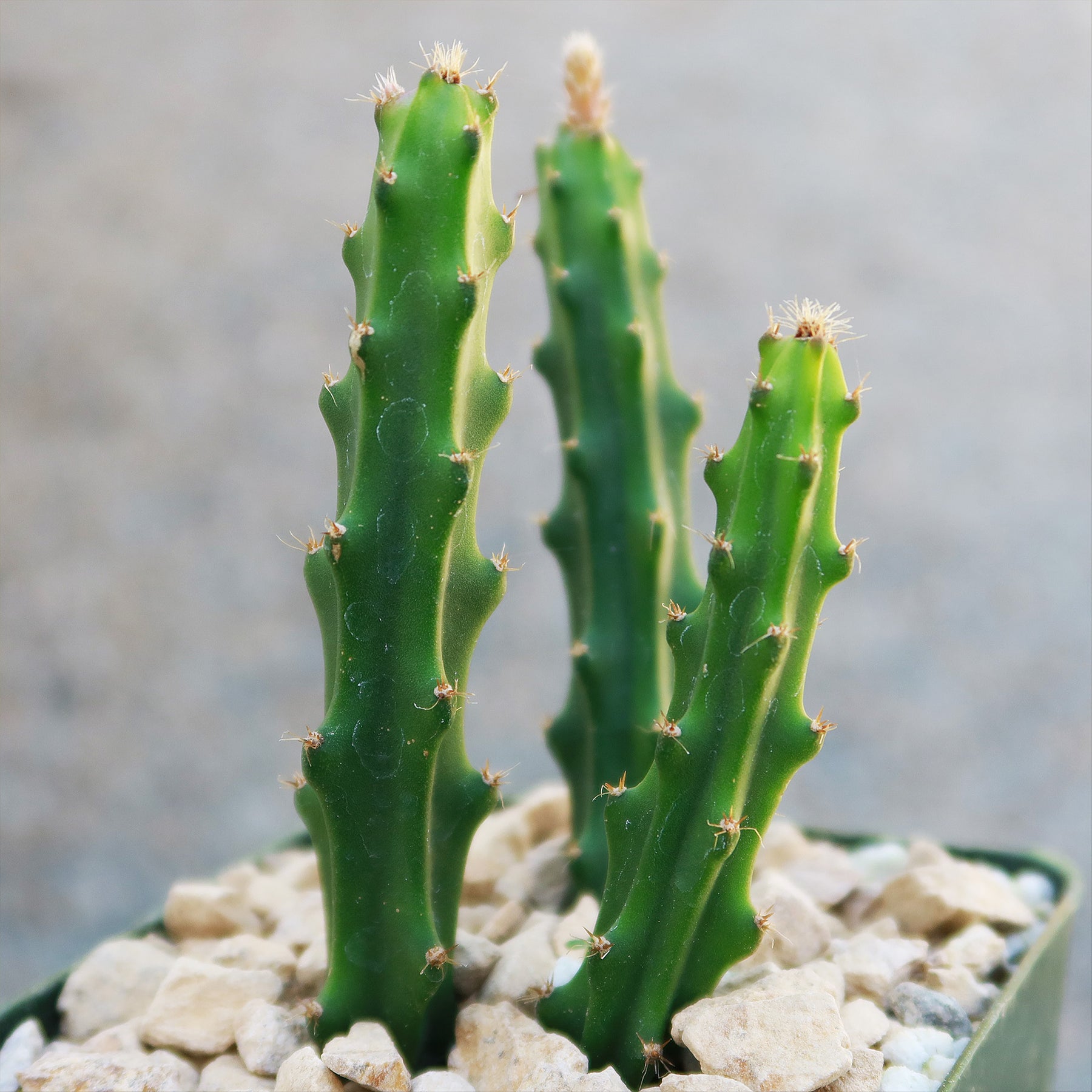
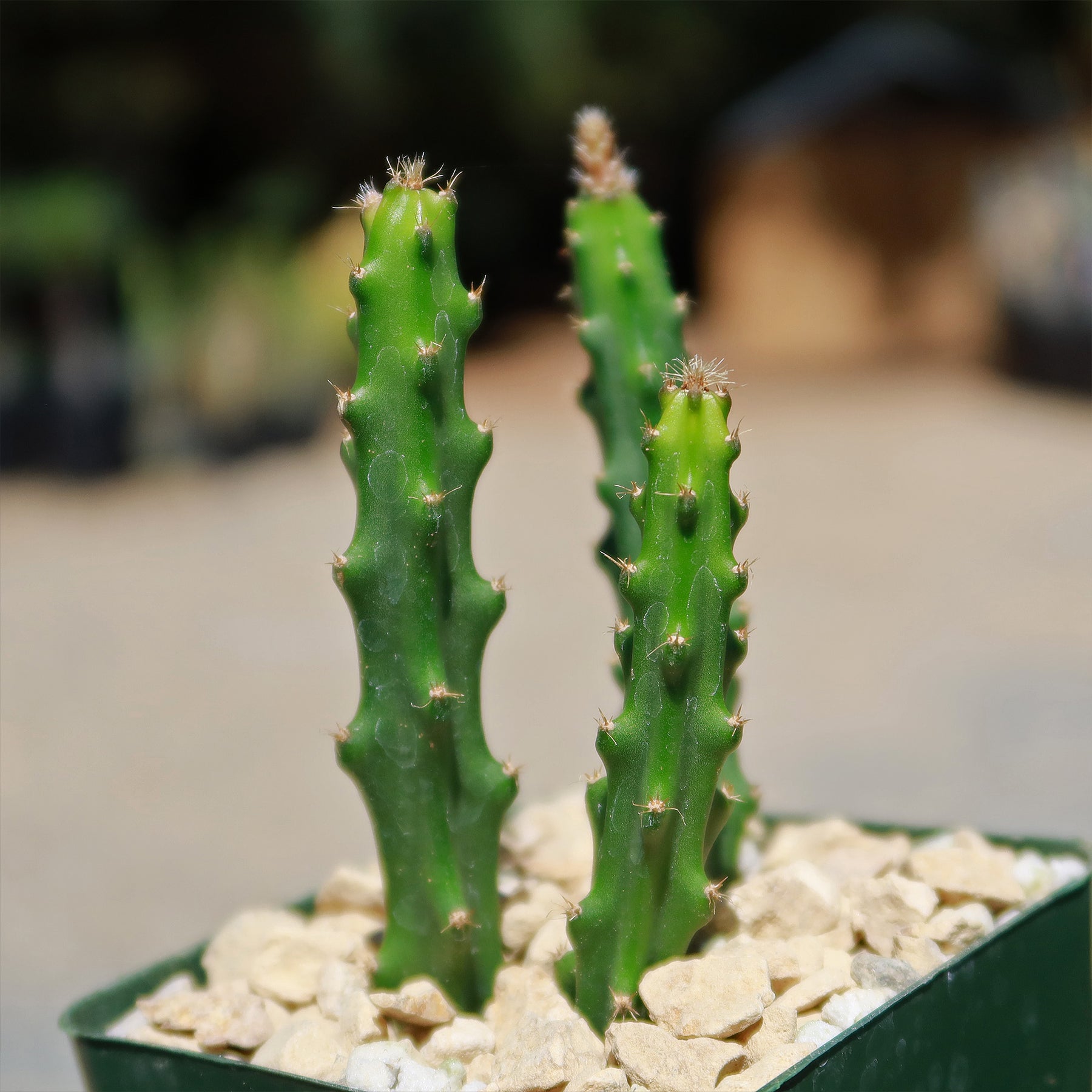
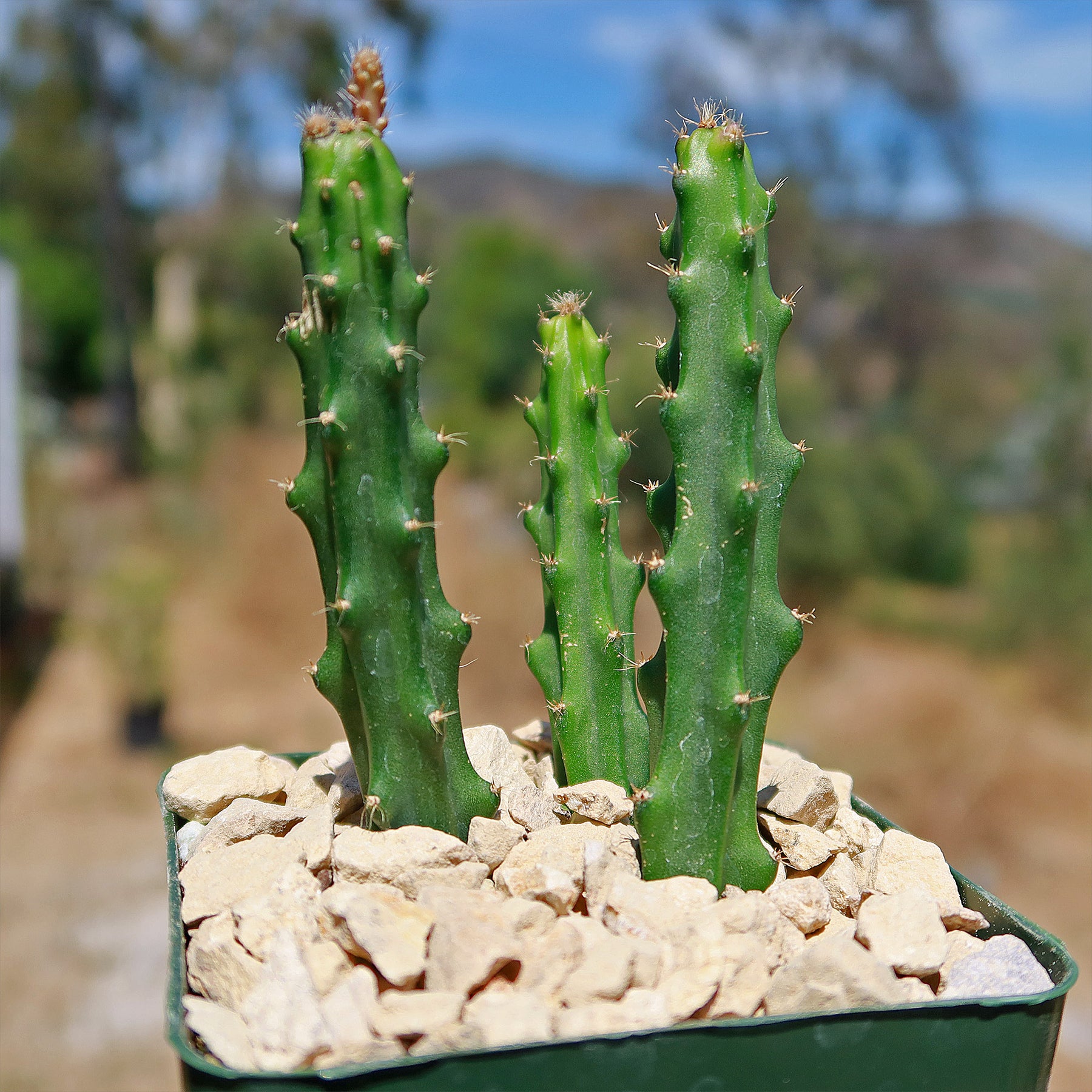
T he Night-blooming cactus also known as Selenicereus grandiflorus, is the largest flowering plant species and belongs to the genus Selenicereus. It has several other common names, such as queen of the night, night-blooming cereus, large-flowered cactus, sweet-scented cactus, or vanilla cactus.
Native to South and Central America, specifically countries like Mexico, Guatemala, and Venezuela, Selenicereus grandiflorus can reach a mature size of around 20 feet in height. With its long, triangular stems and spines, your Selenicereus grandiflorus is considered moderately fast-growing. With proper care and conditions, you can see noticeable new plant growth and development over time.

The night blooming flowers of Selenicereus grandiflorus are large, about 15 inches wide, white, and have a delicate appearance.
The white flowers of tree species only last for one night in the spring, but they are definitely worth the wait.
The specific epithet grandiflorus means 'large flowered' in Latin, which describes its elusive blooms well.
These large flowers, combined with their beautiful aromatic fragrance, make them a stunning sight to behold, especially when they bloom at night.
With a red edible Selenicereus grandiflorus fruit that is visually appealing and delicious, the plant has traditionally been used for medicinal uses, with its stems and flowers believed to have antioxidant properties, making them suitable for herbal remedies.
Related Product

This night-blooming cereus cactus is an extremely rare plant in cultivation and is often confused along with 10 other night-blooming cereus genera as most plants under this name belong to other cactus species or hybrids such as Peniocereus greggii, Hylocereus undatus, Echinopsis pachanoi, Cereus jamacaru, and Cereus peruvianus. Each species has its own unique characteristics and charm, making it fascinating to explore the diversity within this group of cacti.
When and How to Water Your Selenicereus grandiflorus Plant
This night-blooming cactus is highly drought-tolerant and prefers drying out between waterings, making it more resilient to underwatering than overwatering.
Selenicereus grandiflorus should be watered once every 1-2 weeks during the growing season, with light soaking and minimal watering once every 3-4 weeks during the dormant season, with very light moisture.
During the active growing season, provide enough water to ensure the soil is evenly moist but never soggy. Water thoroughly until excess drains out from the bottom, which helps flush salt and encourages deep root growth. A good rule of thumb is to water your Selenicereus grandiflorus when the top inch of the soil feels dry to the touch.
During the dormant season, Selenicereus grandiflorus requires very minimal watering with just enough moisture to prevent shriveling. Reduce watering significantly during this time because the plant’s growth slows down, and excess moisture can harm the roots.
Light Requirements - Where to Place Your Night Blooming Cactus

When growing indoors, providing enough light for these desert cacti is one of the most important aspects of their care.
A good location for it would be near a window with a sheer curtain or in a well-lit room away from direct sunlight.
It is important to grow Selenicereus grandiflorus in areas that receive at least 4-6 hours of bright, direct light every day to keep them happy.
If your queen of night doesn't receive sufficient light, it may become leggy and have weak growth.
You can supplement natural light with artificial grow lights to ensure it gets the right amount of brightness.
When growing outdoors, you can place it to a partially shaded area. Just make sure it's protected from intense afternoon sun, as direct sunlight can scorch its leaves. To support its heavy stems, use a trellis or hang them.
- Too little light can result in weak growth
- Too much direct sunlight can cause sunburn and damage your Selenicereus grandiflorus.
Optimal Soil & Fertilizer Needs
The Selenicereus grandiflorus favors very airy, sandy soil that drains well, and NPK fertilizers once a year in spring. Planting them in ordinary soil will result in compacted aerial roots, stunted growth, and, most likely, root rot. Instead, make or buy a well-draining potting mix, or ideally, use our specialized cactus potting mix that contains organic mycorrhizae to promote the development of a strong root system that helps your Selenicereus grandiflorus cactus to thrive.
A balanced, low-strength fertilizer works best for your Night Blooming cactus plant, ideally with an NPK ratio around 5-10-5, where phosphorus is slightly higher than nitrogen to support healthy growth. Apply fertilizer once in spring at the start of the growing season to give it a gentle boost to support stronger roots and better nutrient absorption.
During winter dormancy, reduce or stop fertilizing to let your queen of the night cactus rest. It is better to under-fertilize, as too much can lead to weak, excessive growth.
Hardiness Zone & More

In the United States, this Selenicereus grandiflorus is mostly an indoor plant, but if you live in southern Florida or Hawaii, then you can cultivate it outdoors in USDA zones 10-12.
This means it can tolerate minimum temperatures of 30°F to 40°F.
If you live in a region with colder winters, it's best to grow it as a potted plant that can be brought indoors during freezing temperatures.
In terms of humidity, Selenicereus grandiflorus is adaptable and can tolerate a range of humidity levels. However, it generally prefers moderate humidity. Aim for around 40% to 60% humidity, which is comfortable for both the cactus and you!
How to Grow as a Houseplant
When you are growing your Selenicereus grandiflorus indoors, it prefers a warm climate in temperatures between 60°F and 85°F. So, keeping it in a cozy spot in your home where the temperature stays within this range will make it happy.
Remember, in extremely cold temperatures, it's important to take precautions to protect your Selenicereus grandiflorus. If you're growing it outdoors, consider covering it with a frost cloth or bringing it indoors during freezing conditions. This will help prevent damage to the cactus plant.
Wildlife - Night Blooming Cactus Flowers Attract the Following Friendly Pollinators
Selenicereus grandiflorus – Night Blooming Cactus can attract friendly pollinators such as bees, butterflies, hummingbirds, and other beneficial insects. These pollinators play a crucial role in the ecosystem by aiding in the reproduction of plants and ensuring biodiversity.
 Butterflies
 Bees
Bees
 Hummingbirds
 Lady Bugs
 Multi Pollinators
 Other Birds
According to ASPCA, the Selenicereus grandiflorus is not considered toxic to humans or pets. However, it's always a good idea to practice caution and keep plants out of reach of curious pets or small children.
How to Propagate Your Night Blooming Cactus Plant
To propagate your Selenicereus grandiflorus Queen of the Night, seeds and cuttings can be used. Take a healthy stem cutting and let it dry for a few days so it forms a callus and helps prevent rot.
Place it in well draining succulent soil or root it in water, then keep it in bright indirect light and water lightly until roots start to grow. Avoid direct sunlight and water sparingly. With patience and care, successful propagation can be achieved.
Key Takeaways
- The night-blooming cactus produces large, fragrant white flowers that bloom only at night and last for just a single evening, making each bloom a rare and special event.
- It is a climbing or trailing cactus that uses aerial roots to attach to surfaces, allowing it to grow on trellises, trees, or hanging structures.
- The Selenicereus grandiflorus is often called “Queen of the Night” due to its dramatic nighttime blooms and strong, sweet fragrance, which attracts nocturnal pollinators.
- It produces red edible fruit and is traditionally valued for its antioxidant properties.
The Bottom Line
Overall, the Selenicereus grandiflorus is a large flowered cactus native to Central and South America. It thrives in warm temperatures between 60°F and 85°F indoors, and USDA hardiness zones 10 to 12, with moderate humidity around 40% to 60% ideal. To prevent damage in extreme cold temperatures, it is essential to cover or bring it indoors. Despite its beauty, it requires proper temperature, humidity, and protection in colder conditions.
With the help of Selenicereus grandiflorus, you'll start to spend less time maintaining your garden and more time taking in its beauty!
Bloom Season
Flower Color
Growth Rate
Hardiness Zone
Mature Size
Plant Type
Resistance
Sun Exposure
Watering Needs
| Bloom Season | Spring |
|---|---|
| Botanical Name | Selenicereus grandiflorus |
| Common Name | Night blooming cereus, Queen of the night, large flowered cactus, sweet-scented cactus, vanilla cactus |
| Dormancy | Winter |
| Family | Cactaceae |
| Flower Color | White |
| Genus | Selenicereus |
| Growth Habit | Trailing, Climbing |
| Growth Rate | Fast |
| Hardiness Zone | 10, 11, 12 |
| Mature Size | 20 ft. tall |
| Native Area | South, Central America |
| Plant Type | Cactus |
| Propagation | By seeds, cuttings |
| Resistance | Extremely drought-tolerant, heat tolerant, pest resistance, deer resistance |
| Soil PH | 6.5, Acidic, Neutral |
| Soil Type | specialized cactus potting mix |
| Special Features | Largest Flowers |
| Sun Exposure | Partial shade (3–6 hrs. sun) |
| Toxicity | Safe for humans, Friendly to cats, Friendly to dogs |
| Watering Needs | Low |
Growers Quick Reference Guide - Key Features
| Bloom Season | Spring |
|---|---|
| Botanical Name | Selenicereus grandiflorus |
| Common Name | Night blooming cereus, Queen of the night, large flowered cactus, sweet-scented cactus, vanilla cactus |
| Dormancy | Winter |
| Family | Cactaceae |
| Flower Color | White |
| Genus | Selenicereus |
| Growth Habit | Trailing, Climbing |
| Growth Rate | Fast |
| Hardiness Zone | 10, 11, 12 |
| Mature Size | 20 ft. tall |
| Native Area | South, Central America |
| Plant Type | Cactus |
| Propagation | By seeds, cuttings |
| Resistance | Extremely drought-tolerant, heat tolerant, pest resistance, deer resistance |
| Soil PH | 6.5, Acidic, Neutral |
| Soil Type | specialized cactus potting mix |
| Special Features | Largest Flowers |
| Sun Exposure | Partial shade (3–6 hrs. sun) |
| Toxicity | Safe for humans, Friendly to cats, Friendly to dogs |
| Watering Needs | Low |
- Description
- Key Plant Features
T he Night-blooming cactus also known as Selenicereus grandiflorus, is the largest flowering plant species and belongs to the genus Selenicereus. It has several other common names, such as queen of the night, night-blooming cereus, large-flowered cactus, sweet-scented cactus, or vanilla cactus.
Native to South and Central America, specifically countries like Mexico, Guatemala, and Venezuela, Selenicereus grandiflorus can reach a mature size of around 20 feet in height. With its long, triangular stems and spines, your Selenicereus grandiflorus is considered moderately fast-growing. With proper care and conditions, you can see noticeable new plant growth and development over time.
The night blooming flowers of Selenicereus grandiflorus are large, about 15 inches wide, white, and have a delicate appearance.
The white flowers of tree species only last for one night in the spring, but they are definitely worth the wait.
The specific epithet grandiflorus means 'large flowered' in Latin, which describes its elusive blooms well.
These large flowers, combined with their beautiful aromatic fragrance, make them a stunning sight to behold, especially when they bloom at night.
With a red edible Selenicereus grandiflorus fruit that is visually appealing and delicious, the plant has traditionally been used for medicinal uses, with its stems and flowers believed to have antioxidant properties, making them suitable for herbal remedies.
Related Product
This night-blooming cereus cactus is an extremely rare plant in cultivation and is often confused along with 10 other night-blooming cereus genera as most plants under this name belong to other cactus species or hybrids such as Peniocereus greggii, Hylocereus undatus, Echinopsis pachanoi, Cereus jamacaru, and Cereus peruvianus. Each species has its own unique characteristics and charm, making it fascinating to explore the diversity within this group of cacti.
When and How to Water Your Selenicereus grandiflorus Plant
This night-blooming cactus is highly drought-tolerant and prefers drying out between waterings, making it more resilient to underwatering than overwatering.
Selenicereus grandiflorus should be watered once every 1-2 weeks during the growing season, with light soaking and minimal watering once every 3-4 weeks during the dormant season, with very light moisture.
During the active growing season, provide enough water to ensure the soil is evenly moist but never soggy. Water thoroughly until excess drains out from the bottom, which helps flush salt and encourages deep root growth. A good rule of thumb is to water your Selenicereus grandiflorus when the top inch of the soil feels dry to the touch.
During the dormant season, Selenicereus grandiflorus requires very minimal watering with just enough moisture to prevent shriveling. Reduce watering significantly during this time because the plant’s growth slows down, and excess moisture can harm the roots.
Light Requirements - Where to Place Your Night Blooming Cactus
When growing indoors, providing enough light for these desert cacti is one of the most important aspects of their care.
A good location for it would be near a window with a sheer curtain or in a well-lit room away from direct sunlight.
It is important to grow Selenicereus grandiflorus in areas that receive at least 4-6 hours of bright, direct light every day to keep them happy.
If your queen of night doesn't receive sufficient light, it may become leggy and have weak growth.
You can supplement natural light with artificial grow lights to ensure it gets the right amount of brightness.
When growing outdoors, you can place it to a partially shaded area. Just make sure it's protected from intense afternoon sun, as direct sunlight can scorch its leaves. To support its heavy stems, use a trellis or hang them.
- Too little light can result in weak growth
- Too much direct sunlight can cause sunburn and damage your Selenicereus grandiflorus.
Optimal Soil & Fertilizer Needs
The Selenicereus grandiflorus favors very airy, sandy soil that drains well, and NPK fertilizers once a year in spring. Planting them in ordinary soil will result in compacted aerial roots, stunted growth, and, most likely, root rot. Instead, make or buy a well-draining potting mix, or ideally, use our specialized cactus potting mix that contains organic mycorrhizae to promote the development of a strong root system that helps your Selenicereus grandiflorus cactus to thrive.
A balanced, low-strength fertilizer works best for your Night Blooming cactus plant, ideally with an NPK ratio around 5-10-5, where phosphorus is slightly higher than nitrogen to support healthy growth. Apply fertilizer once in spring at the start of the growing season to give it a gentle boost to support stronger roots and better nutrient absorption.
During winter dormancy, reduce or stop fertilizing to let your queen of the night cactus rest. It is better to under-fertilize, as too much can lead to weak, excessive growth.
Hardiness Zone & More
In the United States, this Selenicereus grandiflorus is mostly an indoor plant, but if you live in southern Florida or Hawaii, then you can cultivate it outdoors in USDA zones 10-12.
This means it can tolerate minimum temperatures of 30°F to 40°F.
If you live in a region with colder winters, it's best to grow it as a potted plant that can be brought indoors during freezing temperatures.
In terms of humidity, Selenicereus grandiflorus is adaptable and can tolerate a range of humidity levels. However, it generally prefers moderate humidity. Aim for around 40% to 60% humidity, which is comfortable for both the cactus and you!
How to Grow as a Houseplant
When you are growing your Selenicereus grandiflorus indoors, it prefers a warm climate in temperatures between 60°F and 85°F. So, keeping it in a cozy spot in your home where the temperature stays within this range will make it happy.
Remember, in extremely cold temperatures, it's important to take precautions to protect your Selenicereus grandiflorus. If you're growing it outdoors, consider covering it with a frost cloth or bringing it indoors during freezing conditions. This will help prevent damage to the cactus plant.
Wildlife - Night Blooming Cactus Flowers Attract the Following Friendly Pollinators
Selenicereus grandiflorus – Night Blooming Cactus can attract friendly pollinators such as bees, butterflies, hummingbirds, and other beneficial insects. These pollinators play a crucial role in the ecosystem by aiding in the reproduction of plants and ensuring biodiversity.
Butterflies
Bees
Hummingbirds
Lady Bugs
Multi Pollinators
Other Birds
According to ASPCA, the Selenicereus grandiflorus is not considered toxic to humans or pets. However, it's always a good idea to practice caution and keep plants out of reach of curious pets or small children.
How to Propagate Your Night Blooming Cactus Plant
To propagate your Selenicereus grandiflorus Queen of the Night, seeds and cuttings can be used. Take a healthy stem cutting and let it dry for a few days so it forms a callus and helps prevent rot.
Place it in well draining succulent soil or root it in water, then keep it in bright indirect light and water lightly until roots start to grow. Avoid direct sunlight and water sparingly. With patience and care, successful propagation can be achieved.
Key Takeaways
- The night-blooming cactus produces large, fragrant white flowers that bloom only at night and last for just a single evening, making each bloom a rare and special event.
- It is a climbing or trailing cactus that uses aerial roots to attach to surfaces, allowing it to grow on trellises, trees, or hanging structures.
- The Selenicereus grandiflorus is often called “Queen of the Night” due to its dramatic nighttime blooms and strong, sweet fragrance, which attracts nocturnal pollinators.
- It produces red edible fruit and is traditionally valued for its antioxidant properties.
The Bottom Line
Overall, the Selenicereus grandiflorus is a large flowered cactus native to Central and South America. It thrives in warm temperatures between 60°F and 85°F indoors, and USDA hardiness zones 10 to 12, with moderate humidity around 40% to 60% ideal. To prevent damage in extreme cold temperatures, it is essential to cover or bring it indoors. Despite its beauty, it requires proper temperature, humidity, and protection in colder conditions.
With the help of Selenicereus grandiflorus, you'll start to spend less time maintaining your garden and more time taking in its beauty!
Bloom Season
Flower Color
Growth Rate
Hardiness Zone
Mature Size
Plant Type
Resistance
Sun Exposure
Watering Needs
| Bloom Season | Spring |
|---|---|
| Botanical Name | Selenicereus grandiflorus |
| Common Name | Night blooming cereus, Queen of the night, large flowered cactus, sweet-scented cactus, vanilla cactus |
| Dormancy | Winter |
| Family | Cactaceae |
| Flower Color | White |
| Genus | Selenicereus |
| Growth Habit | Trailing, Climbing |
| Growth Rate | Fast |
| Hardiness Zone | 10, 11, 12 |
| Mature Size | 20 ft. tall |
| Native Area | South, Central America |
| Plant Type | Cactus |
| Propagation | By seeds, cuttings |
| Resistance | Extremely drought-tolerant, heat tolerant, pest resistance, deer resistance |
| Soil PH | 6.5, Acidic, Neutral |
| Soil Type | specialized cactus potting mix |
| Special Features | Largest Flowers |
| Sun Exposure | Partial shade (3–6 hrs. sun) |
| Toxicity | Safe for humans, Friendly to cats, Friendly to dogs |
| Watering Needs | Low |
Growers Quick Reference Guide - Key Features
| Bloom Season | Spring |
|---|---|
| Botanical Name | Selenicereus grandiflorus |
| Common Name | Night blooming cereus, Queen of the night, large flowered cactus, sweet-scented cactus, vanilla cactus |
| Dormancy | Winter |
| Family | Cactaceae |
| Flower Color | White |
| Genus | Selenicereus |
| Growth Habit | Trailing, Climbing |
| Growth Rate | Fast |
| Hardiness Zone | 10, 11, 12 |
| Mature Size | 20 ft. tall |
| Native Area | South, Central America |
| Plant Type | Cactus |
| Propagation | By seeds, cuttings |
| Resistance | Extremely drought-tolerant, heat tolerant, pest resistance, deer resistance |
| Soil PH | 6.5, Acidic, Neutral |
| Soil Type | specialized cactus potting mix |
| Special Features | Largest Flowers |
| Sun Exposure | Partial shade (3–6 hrs. sun) |
| Toxicity | Safe for humans, Friendly to cats, Friendly to dogs |
| Watering Needs | Low |


