


Euphorbia Succulents - Shop over 100 varieties at Planet Desert


Euphorbia Plant Key Features:
- Euphorbia plants are known for their unique and diverse forms, ranging from small succulents to large shrubs and even trees.
- The Euphorbia plants have a milky sap that can be toxic and irritating to the skin and eyes, so it's important to handle them with care.
- Euphorbia flowers are known for their interesting and often colorful appearance, whether small and inconspicuous or showy and eye-catching.
- Many Euphorbia species are drought-tolerant and can thrive in arid conditions, making them great choices for xeriscaping.
- These Euphorbias come in a wide variety of shapes and sizes, with some species having spiky or thorny stems, while others have smooth, rounded stems.
- The Euphorbia spurge plant is adaptable and can be grown both indoors and outdoors, depending on the specific species and their requirements.
Euphorbia Care
When it comes to Euphorbia care, keep in mind the following important points:
Quick Reference

Bloom Season

Flower Color

Growth Rate
Hardiness Zone

Mature Size
Plant Type

Sun Exposure

Toxicity

Watering Needs
Watering Needs
Water Euphorbia plants sparingly, allowing the soil to dry between waterings, to prevent root rot and other issues. Water your spurge euphorbia moderately during their growing season in the spring and summer, allowing the soil to dry out between waterings.
Light Requirements
Euphorbia spurge plants thrive in full sunlight to partial shade, requiring 4-6 hours daily. Place it near a sunny window or filtered spot but avoid direct sunlight for prolonged periods.
Optimal Soil & Fertilizer Needs
Euphorbia plants thrive in specialized succulent potting mixed with perlite or sand, preventing waterlogging and root rot. Euphorbias generally don't require much fertilizer, but you can feed them once a year with a balanced NPK fertilizer during the growing season.
Hardiness Zones & More
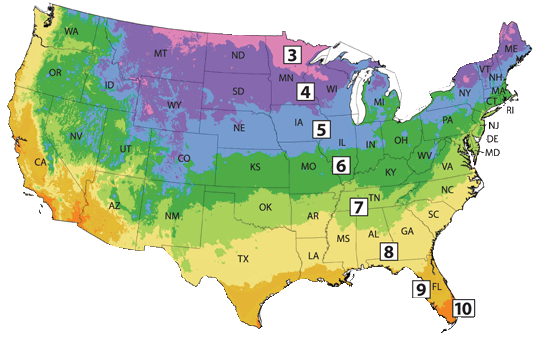
Euphorbia succulents have varying hardiness zones from 5-11, ranging from 65 to 85°F for optimal growth. They can tolerate short periods of cold but require moderate humidity, so keep them comfortable within these temperature and humidity ranges. Prune these spurge euphorbias occasionally to maintain their shape and remove any dead or damaged parts.
The Bottom Line
The plants in the Euphorbia genus are real showstoppers in the succulent world. With their diverse shapes, sizes, and colors, they bring a touch of uniqueness to any garden or indoor space. These beauties are known for their low-maintenance nature, making them a great choice for both experienced spurge plant enthusiasts and those new to the green thumb game. Euphorbias prefer bright light and well-draining soil, and they don't need frequent watering. So, if you're looking to add some striking and easy-to-care-for plants to your collection, Euphorbia plants are definitely worth considering!
Other popular succulent genus types include Gasteria, Tillandsia, and Adenium. Explore the world of succulents with a variety of options to create a unique collection that suits your personal style and preferences, showcasing the beauty of succulent plants.