

Types of Gasteria Plants for Sale - Planet Desert
Types of Gasteria Plants
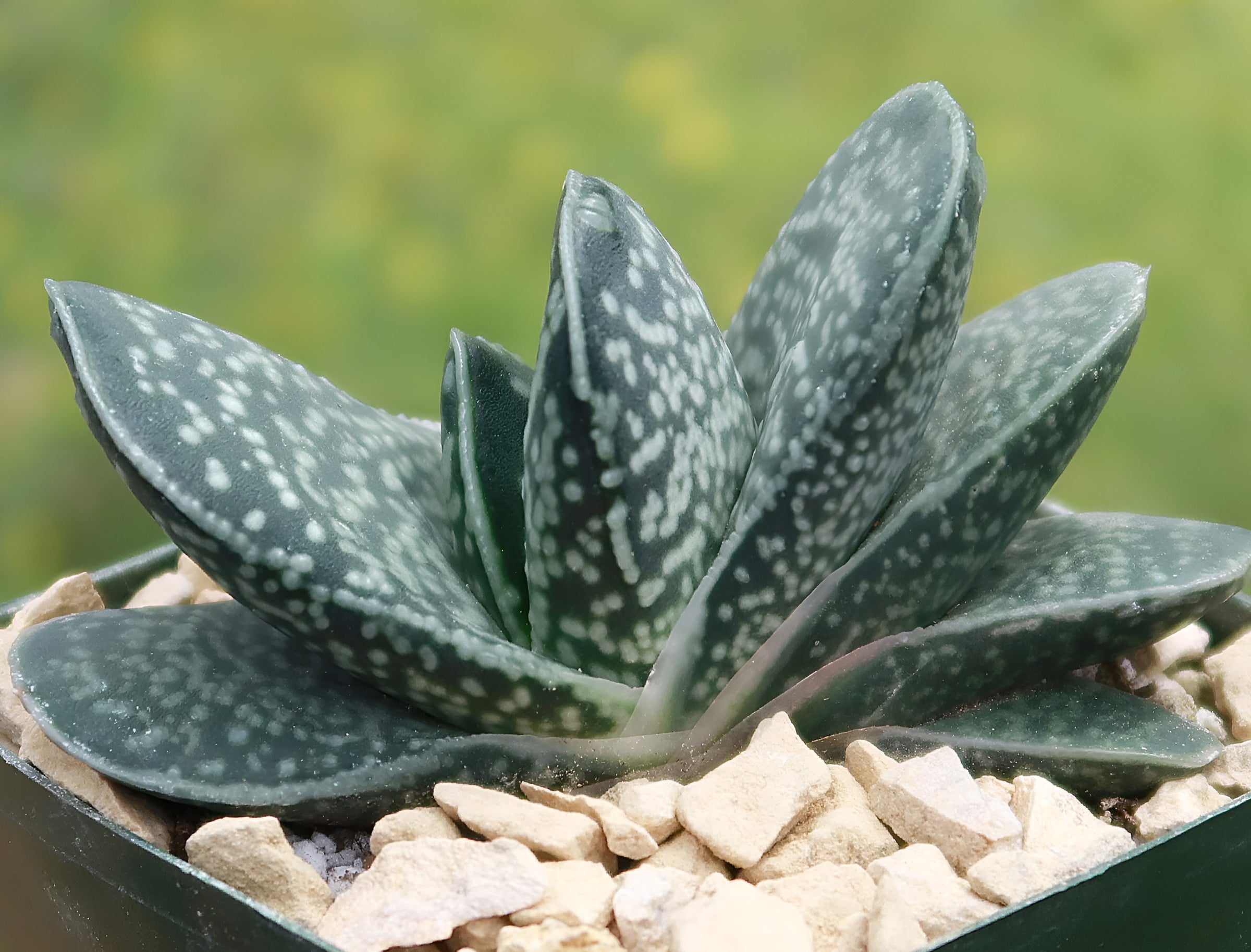
Read MoreExplore our incredible variety of Gasteria plants, sometimes known as ox-tongue plants! These unique Gasteria plants are known for their striking rosette-shaped leaves, which come in an array of beautiful colors and patterns. From vibrant greens of the Gasteria Flow, to little warty and stunning stripedVariegated Gasteria with stunning stripes or spots, there's a Gasteria for every aesthetic preference. At the bottom of the page, learn and discover more about these stunning Gasteria plants in detail.


Gasteria Plant Key Features:
- The leaves of Gasteria plants are thick, fleshy, and rosette-shaped, and come in a variety of green shades with patterns and textures such as spots or stripes.
- The flowers of Gasteria plants produce beautiful tubular flowers ranging from red to green that bloom on tall stalks and add a lovely touch to their overall appearance.
- These low-maintenance Gasteria plants have a clumping growth habit, producing offsets, or "pups," around the main plant base, forming visually appealing clusters over time.
- To propagate a Gasteria plant, you can use leaf cuttings. Simply take a healthy leaf and let it dry for a few days until a callus forms. Then, place the leaf in well-drained soil and keep it slightly moist.
Gasteria Plant Care
When it comes to Gasteria plant care, they are known for their low maintenance requirements, making them a great choice for beginner gardeners.
Quick Reference

Bloom Season

Flower Color

Growth Rate
Hardiness Zone

Mature Size

Plant Type

Sun Exposure

Toxicity

Watering Needs
Watering Needs
Gasteria plants have moderate watering needs. It's important to strike a balance and avoid overwatering. Allow the soil to dry out slightly between waterings, and then water thoroughly, ensuring that excess water drains away. Remember, it's always better to underwater than to overwater these lovely succulents.
Light Requirements
Gasterias thrive in bright, indirect light near windows, avoiding direct sunlight. They may become leggy or stretch toward light, indicating the need for more light. A balanced light environment promotes growth.
Optimal Soil & Fertilizer Needs
Gasteria succulents prefer well-draining soil that mimics their natural habitat. This helps prevent waterlogged roots. During the growing season, you can use a balanced, diluted fertilizer once every few months. Remember to follow the instructions on the fertilizer packaging and avoid over-fertilizing, as it can harm the plant.
Hardiness Zones & More
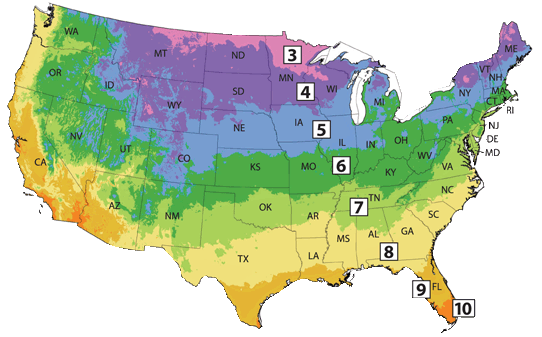
Gasteria plants thrive in USDA hardiness zones 9-11 and prefer temperatures between 60-80 degrees Fahrenheit and average household humidity. Avoid extreme temperature fluctuations and drafts for optimal growth.
The Bottom Line
Gasteria plants are a diverse and visually stunning genus of succulents. With their rosette-shaped leaves in various colors and patterns, they add beauty to any plant collection. These low-maintenance Gasteria plants store water in their thick leaves and can withstand drought. Gasterias are easy to propagate and care for, making them suitable for both indoor and outdoor settings. So, if you're looking for unique and resilient plants, give gasterias a try!
Other popular succulent genus types include Trichocereus, Hoodia, and Cereus.