

Shop 'Pachypodiums for Sale' - Care and Growing Guide Planet Desert

Pachypodium Plant Types
Read MoreExplore our stunning collection of Pachypodium plants, with varying morphological characteristics, including Pachycaul trunks and spinescence. Pachypodium, meaning "thick foot," refers to the swollen stem of a plant that stores water, and provides structure and strength.
Pachypodium plants are actually succulent, not a true palm, despite popular belief. From the popular Pachypodium lamerei 'Madagascar Palm', which is a tall, thick, bottle-shaped tree with sharp spines, to the smaller Pachypodium brevicaule, which has a compact and round shape.
These plants are loved by collectors and enthusiasts for their unusual and eye-catching features. At the bottom of the page, discover and learn more about the Pachypodium plant's care and features in detail.


Pachypodium Plant Key Features
Here are a few key features of the various types of Pachypodium plants:
- All Pachypodium plants exhibit pachycaul growth, with variations ranging from dwarf, flattened plants to bottle-shaped shrubs to dendroid-shaped trees.
- The pachycaul trunk of the Pachypodium plant stores water to help the plant survive in arid conditions. This adaptation allows the plant to go long periods without rainfall by storing water in its thick trunk.
- Pachypodium plants are known for their thick, spiny stems that give them a unique and striking appearance. The stems can vary in shape, from bottle-shaped to more rounded forms.
- Pachypodium is a plant with spinescence, or spines, which are clustered in pairs or triplets and often arranged in rings or whorls around the trunk. Spines, which emerge from leaves, grow for a short period before stopping growth and hardening. Weathering and abrasion can wear away all but the youngest spines, leaving smooth trunks and branches.
- Pachypodium plants have leaves that are typically small and clustered at the top of the stem. The older leaves gradually fall and grow new leaves around the crown as it ages. The leaves are often green and can be either deciduous or evergreen, depending on the species.
- The Pachypodium flowers are typically large and trumpet-shaped, coming in various colors such as white, yellow, or pink. They add a vibrant touch to the plant's overall appearance.
- Pachypodium plants can be propagated through seeds or stem cuttings. Growing them from seeds can be a bit slow, but it's a rewarding process. During the active growing season, take stem cuttings and root them in well-drained soil.
- Pachypodium plants can be propagated through seeds or stem cuttings. Growing them from seeds can be a bit slow, but it's a rewarding process. During the active growing season, take stem cuttings and root them in well-drained soil.
- Pachypodium plants are generally low maintenance, making them suitable for both experienced and beginner plant enthusiasts.
Pahypodium Plants Care
When it comes to Pachypodium care, keep the following points in mind:
Quick Reference

Bloom Season

Flower Color

Slow - moderate
Hardiness Zone

Mature Size
Plant Type

Sun Exposure

Toxicity

Watering Needs
Watering Needs
Native to the arid regions of Africa, the Pachypodium has adapted to survive in dry conditions. As a result, they prefer infrequent but deep watering. Allow the soil to dry out completely between waterings, and then give them a good soak. In the spring and summer, during the growing season, you can water them more regularly, but still be mindful not to overwater. In the winter months, when Pachypodium plants go into dormancy, you'll want to reduce watering to prevent root rot. Remember, it's always better to underwater than to overwater these plants. So, keep an eye on the soil moisture and adjust your watering accordingly.
Light Requirements
When it comes to light requirements, the Pachypodium loves basking in bright sunlight. When growing indoors, a sunny windowsill or a spot in your garden that gets ample sunlight would be perfect. Just make sure to acclimate them gradually to direct sunlight if they have been kept in lower light conditions. If planted outdoors, these plants thrive in full sun conditions, so it's best to place them in a spot where they can receive direct sunlight for 6-8 hours a day. Pachypodium plants are sun-worshippers and providing them with plenty of light will help them grow strong and healthy.
Optimal Soil & Fertilizer Needs
The Pachypodium plants prefer well-draining soil. A mix of cactus or succulent potting soil with added perlite or sand works well. This type of soil allows excess water to drain away, preventing root rot. As for fertilizers, Pachypodium plants don't require heavy feeding. During the growing season, you can use a balanced (5-10-5), diluted NPK fertilizer specifically formulated for succulents. Follow the instructions and apply it sparingly. Remember, it's always better to under-fertilize than to over-fertilize, as these plants are adapted to survive in nutrient-poor conditions. So, give them well-drained soil and a light touch of fertilizer, and your Pachypodium will be happy and healthy.
Hardiness Zones & More
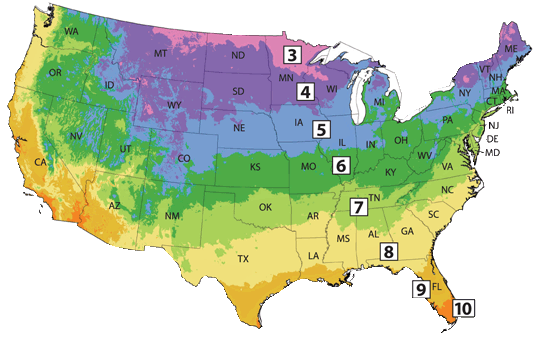
When growing indoors, your Pachypodium plants prefer temperatures between 65-85°F during the day and slightly cooler at night. As for humidity, they can adapt to average indoor humidity levels, but they appreciate some extra humidity. You can increase humidity by placing a tray of water near your plant or using a humidifier. For outdoor cultivation, the Pachypodium plants are suitable in USDA zones 9-12. These zones typically have mild to warm climates, with average minimum temperatures ranging from 30-60°F. However, if you live in a colder climate, you can still enjoy them outdoors during the summer months when temperatures are consistently warm. Just ensure you bring them indoors or provide protection when temperatures drop below their tolerance level.
Final Thoughts
Overall, the Pachypodium is a fascinating group of succulent plants that bring a touch of exotic beauty to any indoor or outdoor space. With their unique shapes and spiky foliage, they make for eye-catching additions to your plant collection. Whether you choose to grow them indoors or outdoors, providing them with plenty of bright sunlight, well-draining soil, and a light touch of fertilizer will keep them happy and healthy. Remember to consider their temperature and humidity preferences, adjusting accordingly for indoor and outdoor environments. So, whether you're a seasoned plant enthusiast or just starting your green journey, the Pachypodium genus is definitely worth considering for a touch of desert charm in your space!
Other popular succulent genus types include Sedum, Sansevieria , and Echeveria.