


Shop Types of Prickly Pear Cactus 'Opuntia' Varieties


Opuntia ‘Prickly pears’ Key features:
- The prickly pear cactus fruit, known as "tuna," is extremely sweet and can be eaten raw, right off the plant.
- Opuntia cacti have thick, paddle-shaped stems called pads or cladodes.
- These Opuntia cacti are known for their unique, spiky thorns or glochids; that provide protection against predators.
- Most of the Opuntia species are cold hardy cacti and other are frost tolerant cacti.
- The Opuntia prickly pears produce vibrant, colorful prickly pear flowers, usually in shades of yellow, orange, or pink.
- A few types of prickly pear cactus are edible; produces prickly pear fruit, also known as Cactus fruit, a tropical treat rich in vitamins, antioxidants, and fiber and are used in traditional cuisines.
Prickly Pear Cactus Care
When it comes to opuntia prickly pear cactus care, these are low-maintenance and adaptable and can be grown both indoors and outdoors.
Quick Reference

Bloom Season

Flower Color

Growth Rate
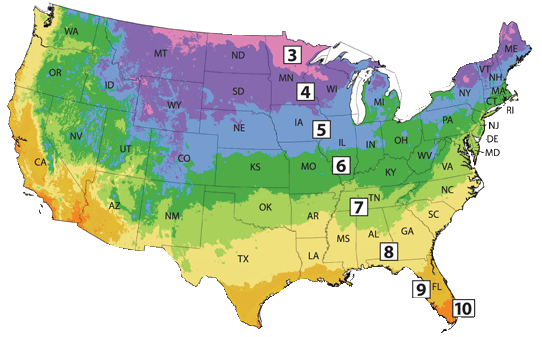
Hardiness Zone

Mature Size
Plant Type

Sun Exposure

Toxicity

Watering Needs
Watering Needs
The prickly pear Opuntia cacti, adapted to survive in arid conditions, require minimal watering. To prevent root rot, follow the "soak and dry" method, thoroughly watering until the soil drains, and allowing it to dry completely before watering again.
Light Requirements
Native to desert regions, the prickly pear plant thrives in bright, direct sunlight. To ensure optimal growth, place them in a sunny location with 6-8 hours of direct sunlight daily. Avoid extreme heat or intense afternoon sun to prevent scorching.
Optimal Soil & Fertilizer Needs
The Opuntia cactus thrives in well-drained specialized cactus potting soil, which should be a mix of cactus potting mix and coarse sand or perlite. Avoid regular potting soil, as it retains moisture. Use balanced NPK fertilizer for better prickly pear flowering. Under-fertilizing is better than over-fertilizing, ensuring their growth.
Hardiness Zones & More
Many of the prickly pear plants are hardy in 4-11, able to withstand temperatures as low as 10°F. Keep in mind that you should move them inside or cover them with insulation if it is extremely cold outside.
The Bottom Line
The Opuntia prickly pear cactus is a fascinating and unique Opuntia cactus that brings a touch of desert beauty to any garden. With its distinct paddle-shaped pads, vibrant flowers, and prickly pear cactus fruit, it's a standout addition to your cactus collection. The Opuntia cactus is known for its ability to thrive in dry and arid conditions, making it a low-maintenance choice for gardeners. Whether you're looking to add a striking focal point or create a desert-themed garden, the Opuntia prickly pear cactus is a resilient and eye-catching choice that will surely impress.
The Most popular varieties of kalanchoe are Bunny ear cactus, barbary fig and cholla cactus.
Other popular succulent genus types include Peperomia, Ficus, and Yucca which are air-purifying plants with glossy leaves, beautiful foliage, and adaptability to different climates. With so many options to choose from, you can curate a stunning collection of cactus that reflect your personal style and bring joy to your surroundings.