


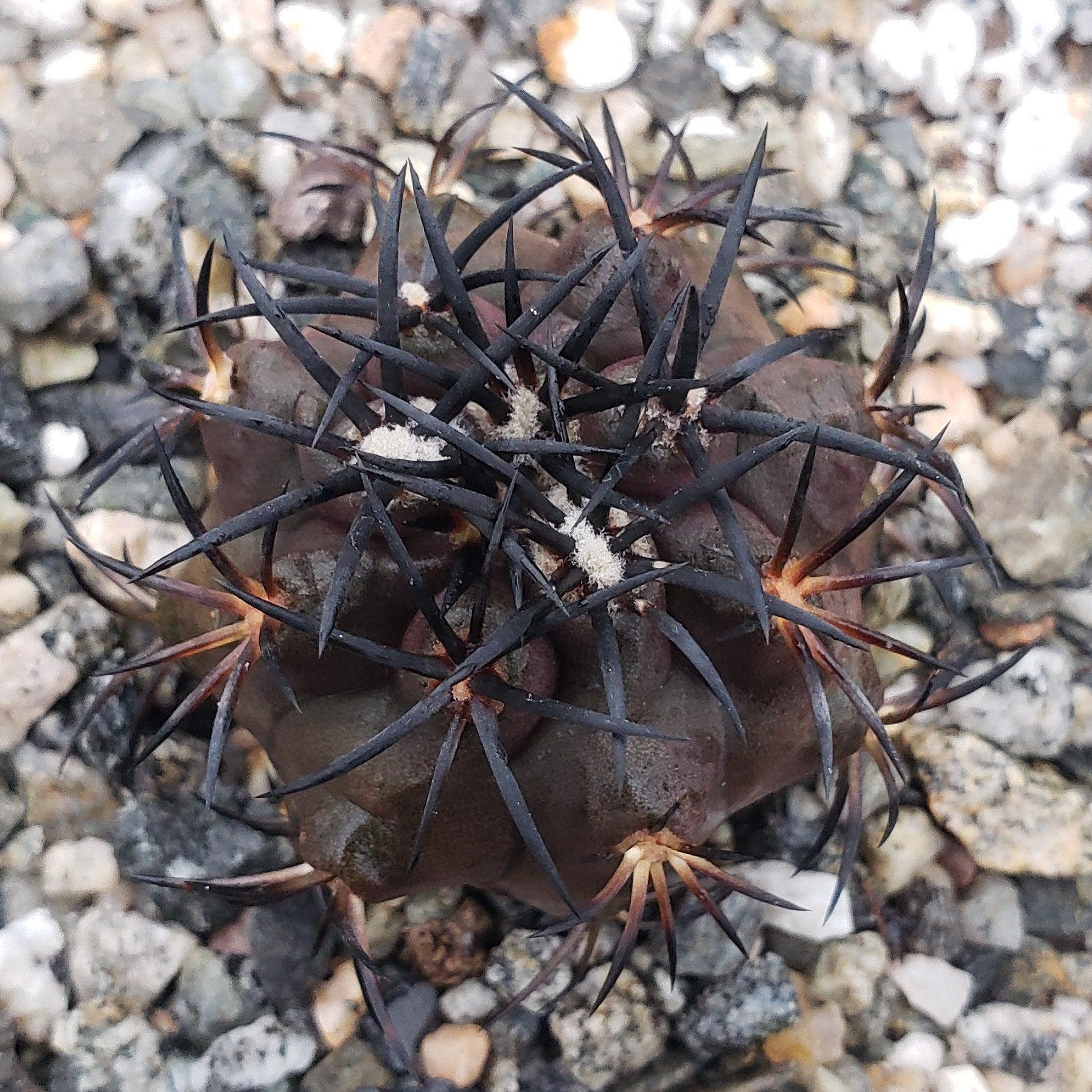
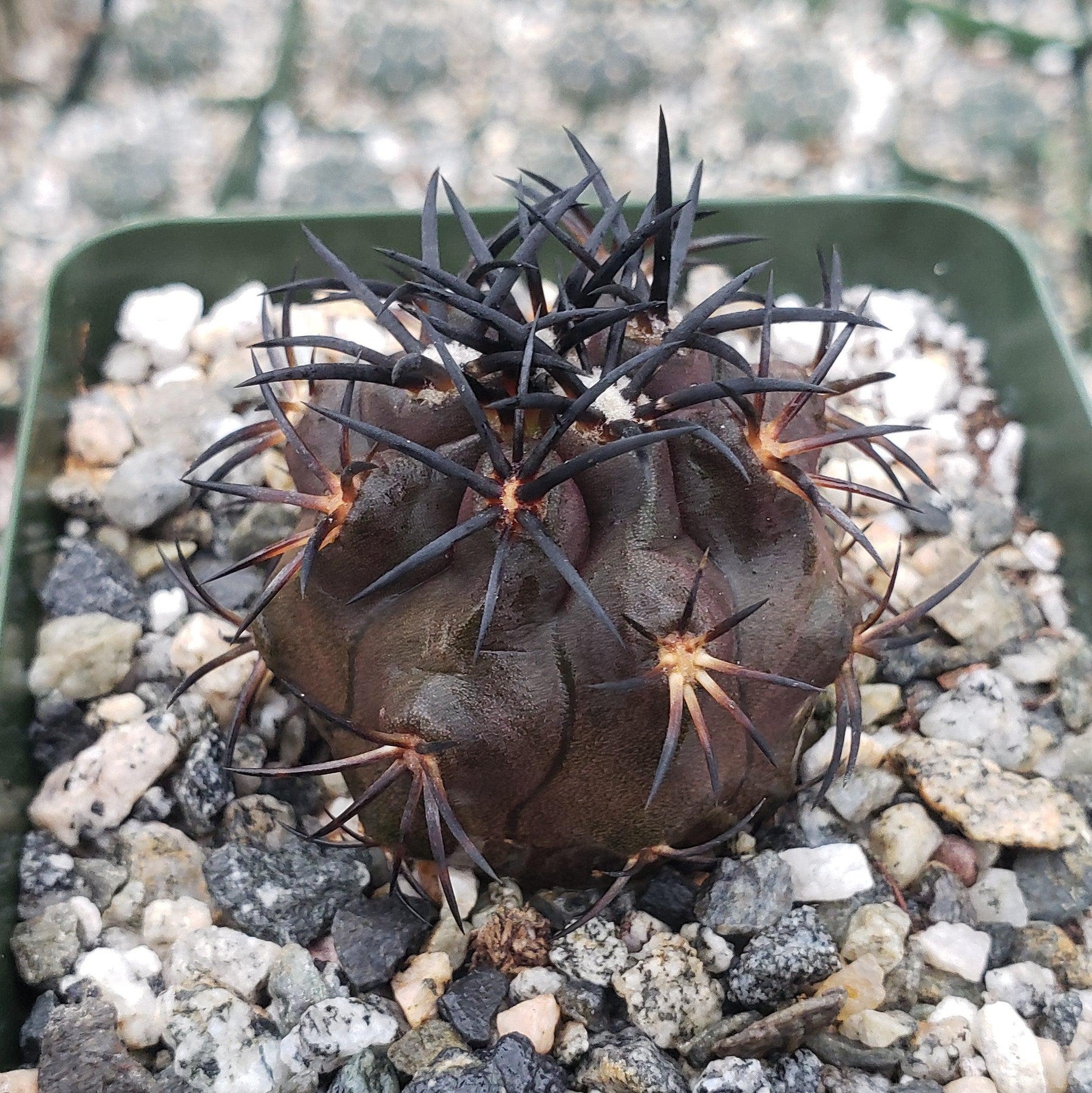
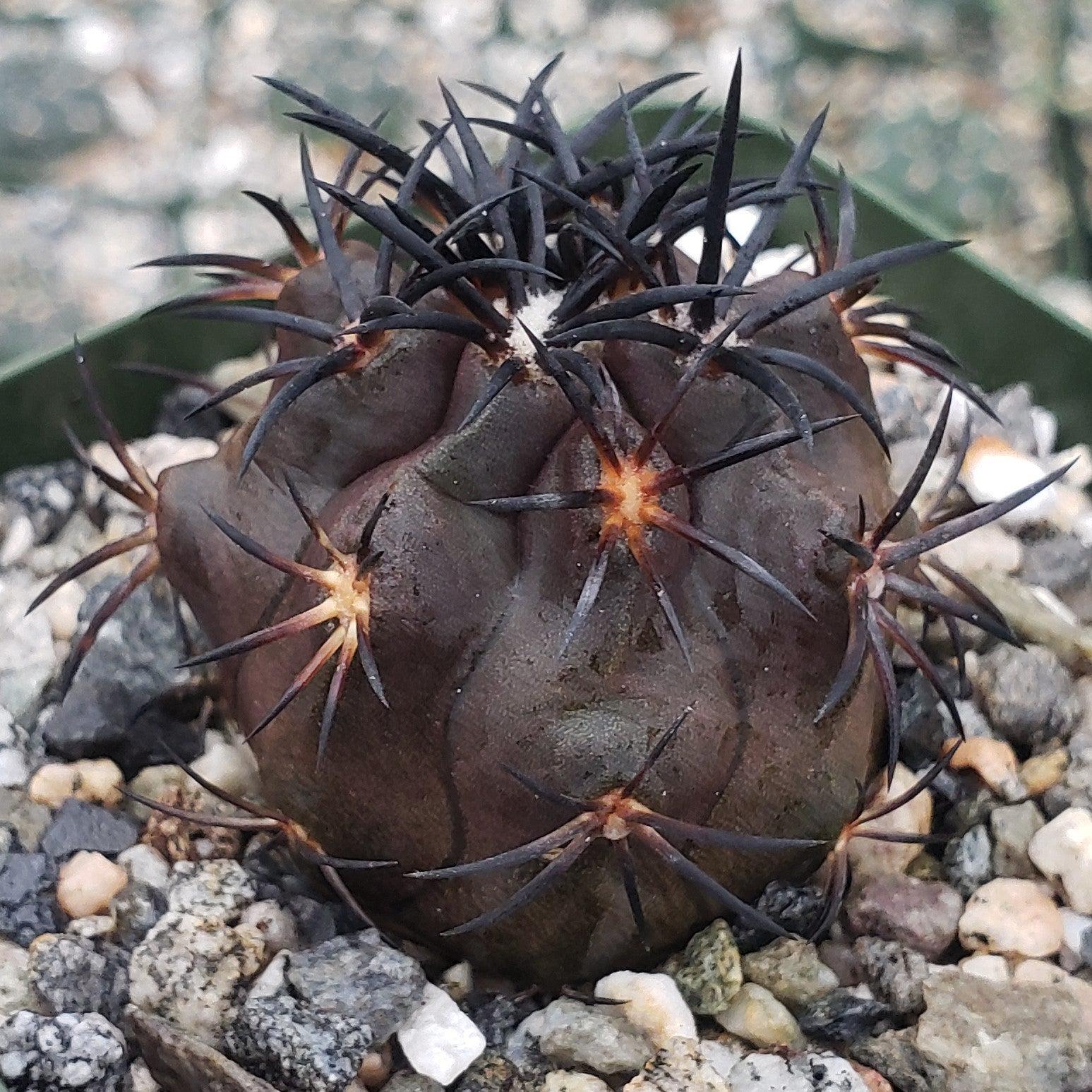
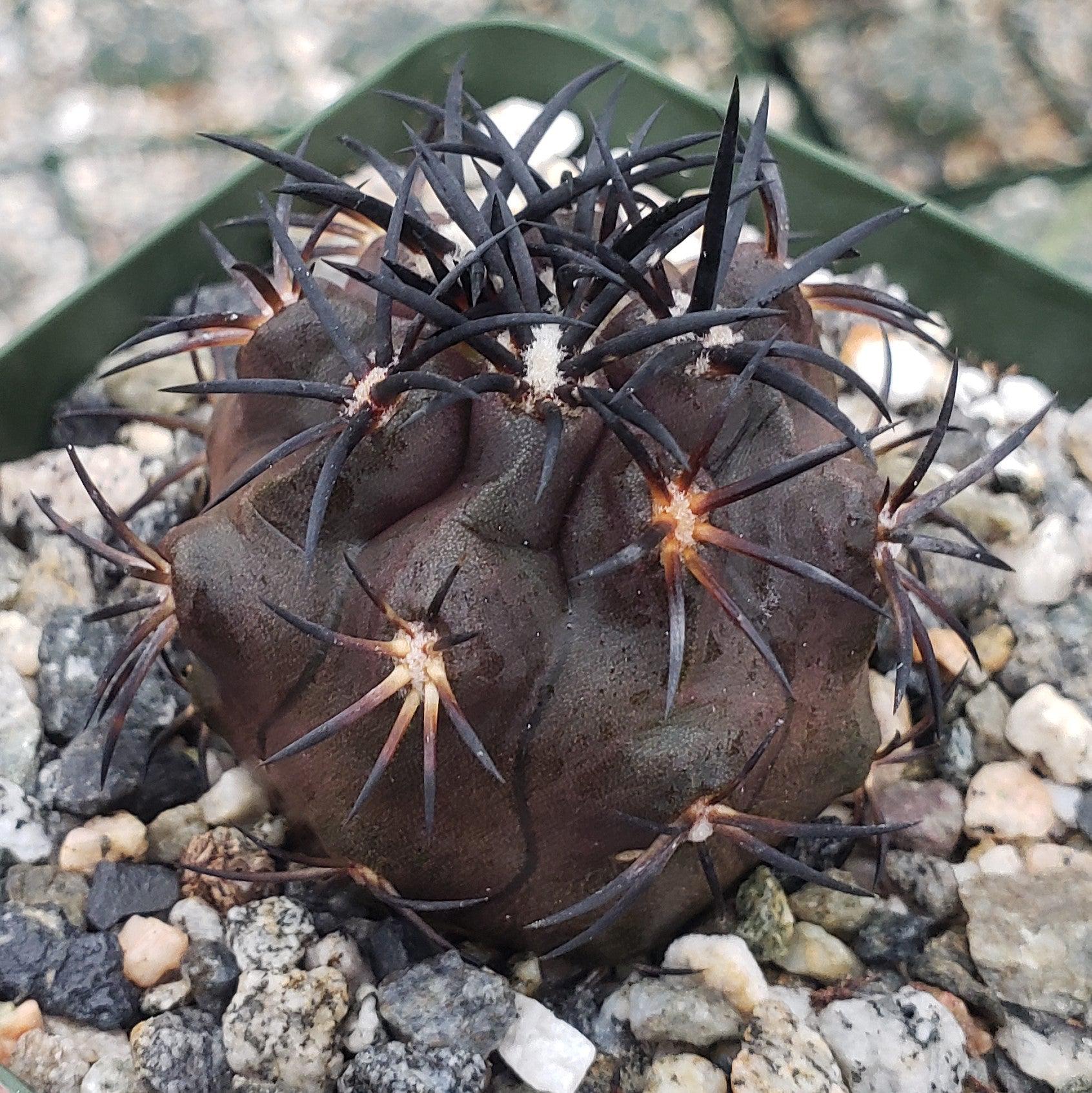
The Copiapoa dura is a striking cactus species admired for its unique structure and ability to withstand some of the harshest growing conditions on Earth. As a highly drought-tolerant plant, it thrives in arid landscapes and is often cultivated by collectors and enthusiasts who appreciate rare and slow-growing cacti.
It can be grown in outdoor rock gardens in warm, dry regions, or as a container specimen in greenhouses and indoor collections, where it enjoys bright light and minimal water. It is also known as Copiapoa echinoides.

Native to the Atacama Desert of northern Chile, one of the driest regions in the world.
It is usually recognized simply by its scientific name, though collectors sometimes refer to it as a "hard Copiapoa" in reference to the Latin word dura, meaning "hard" or "tough," reflecting its resilience in extreme desert conditions.
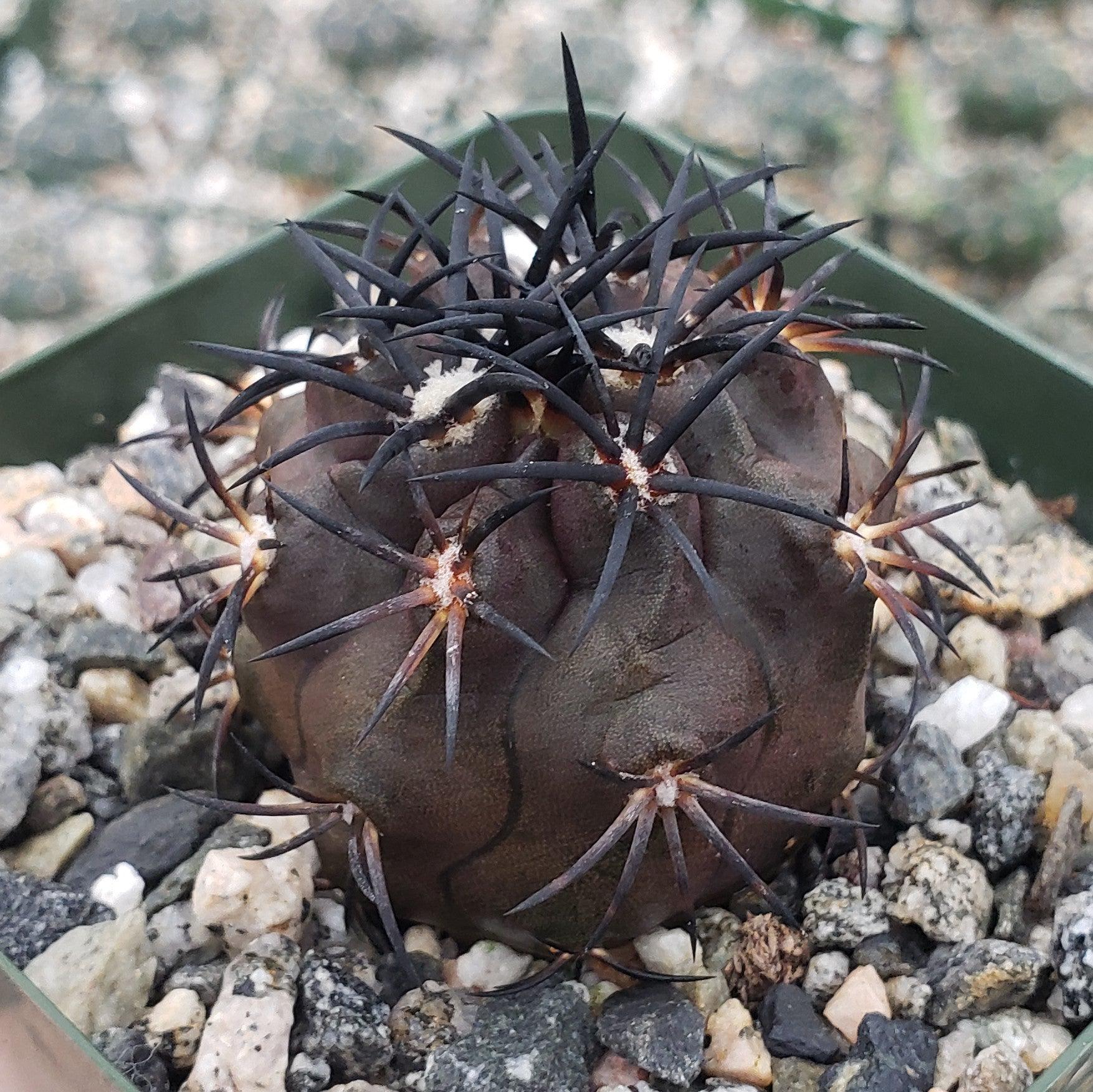
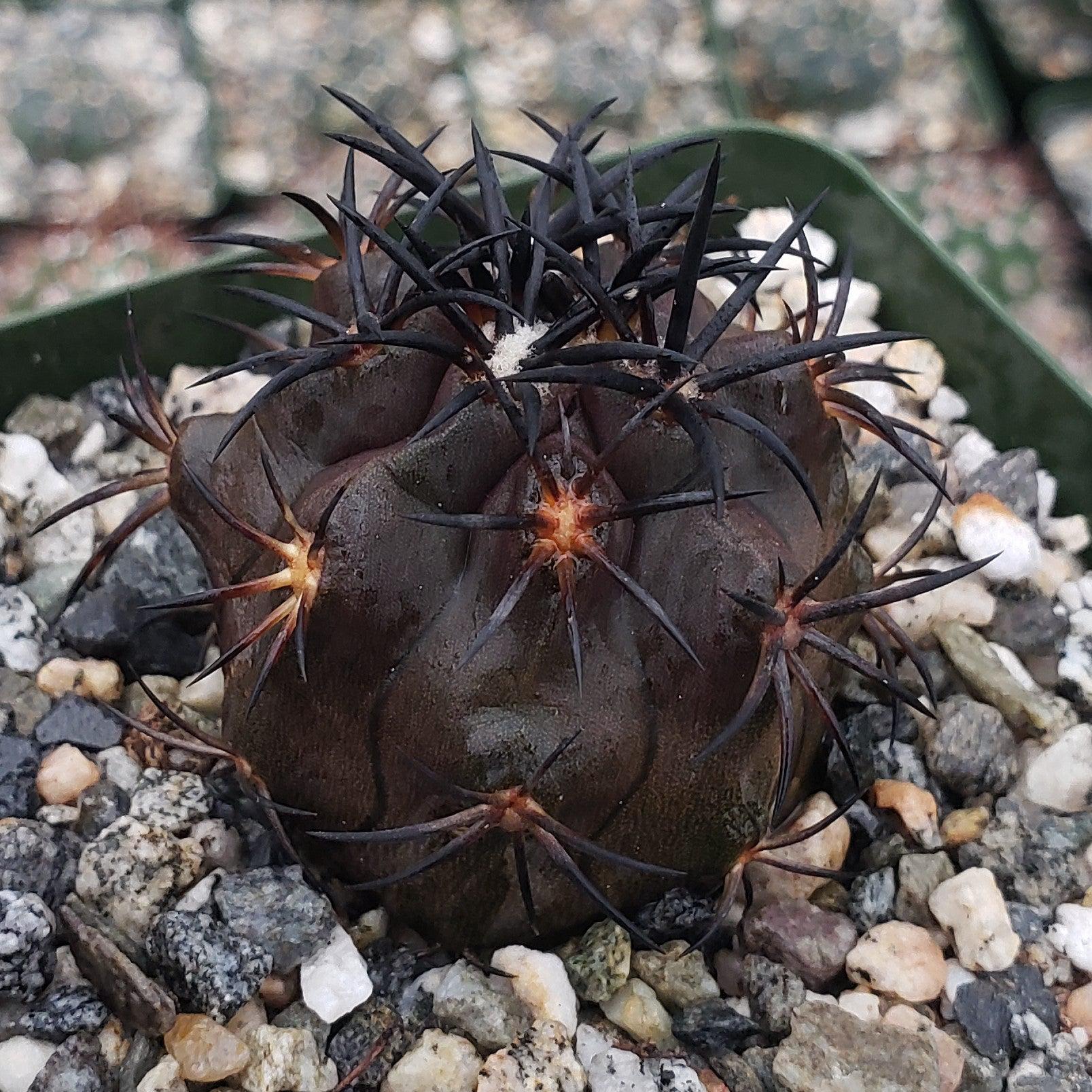
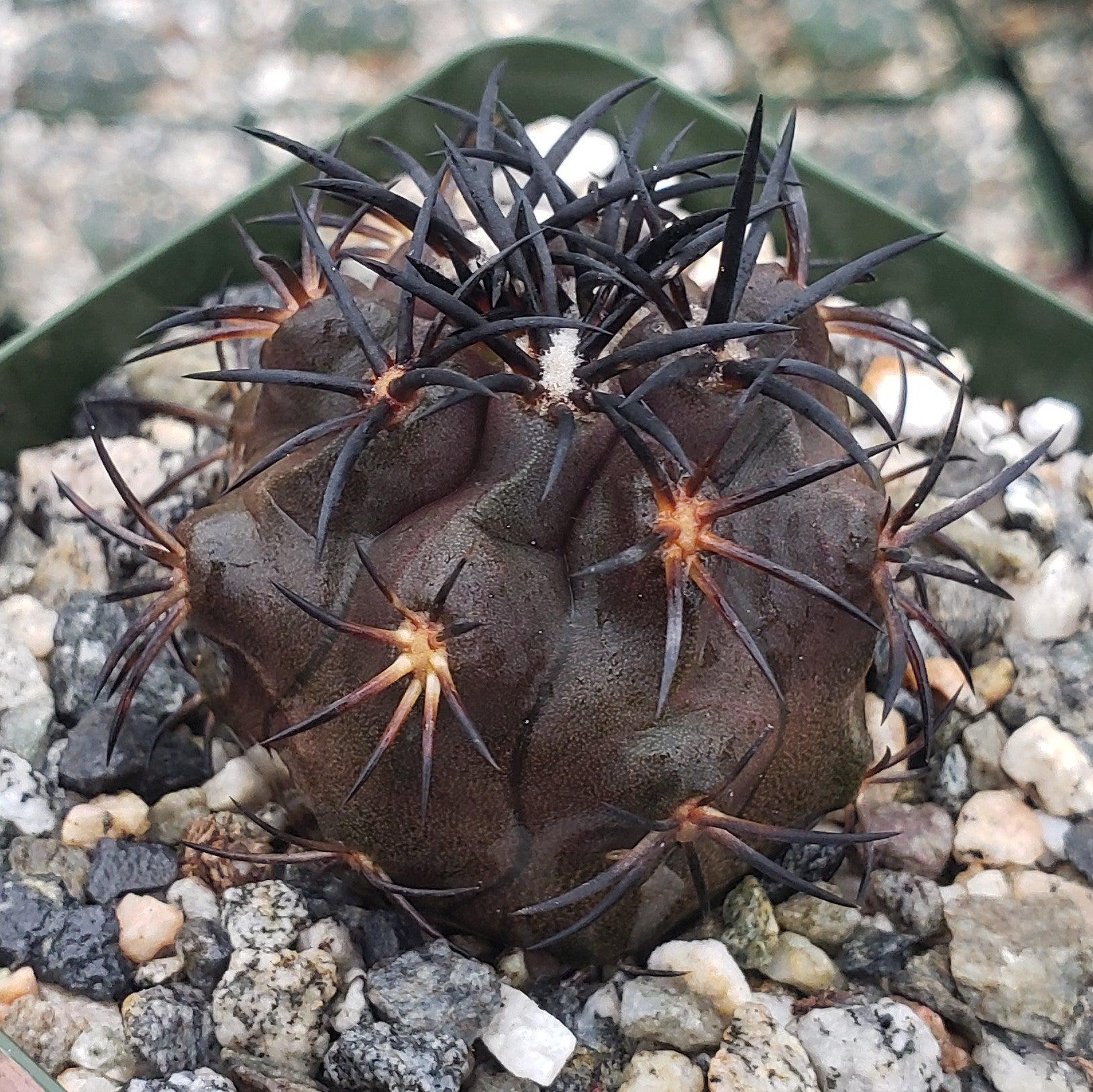
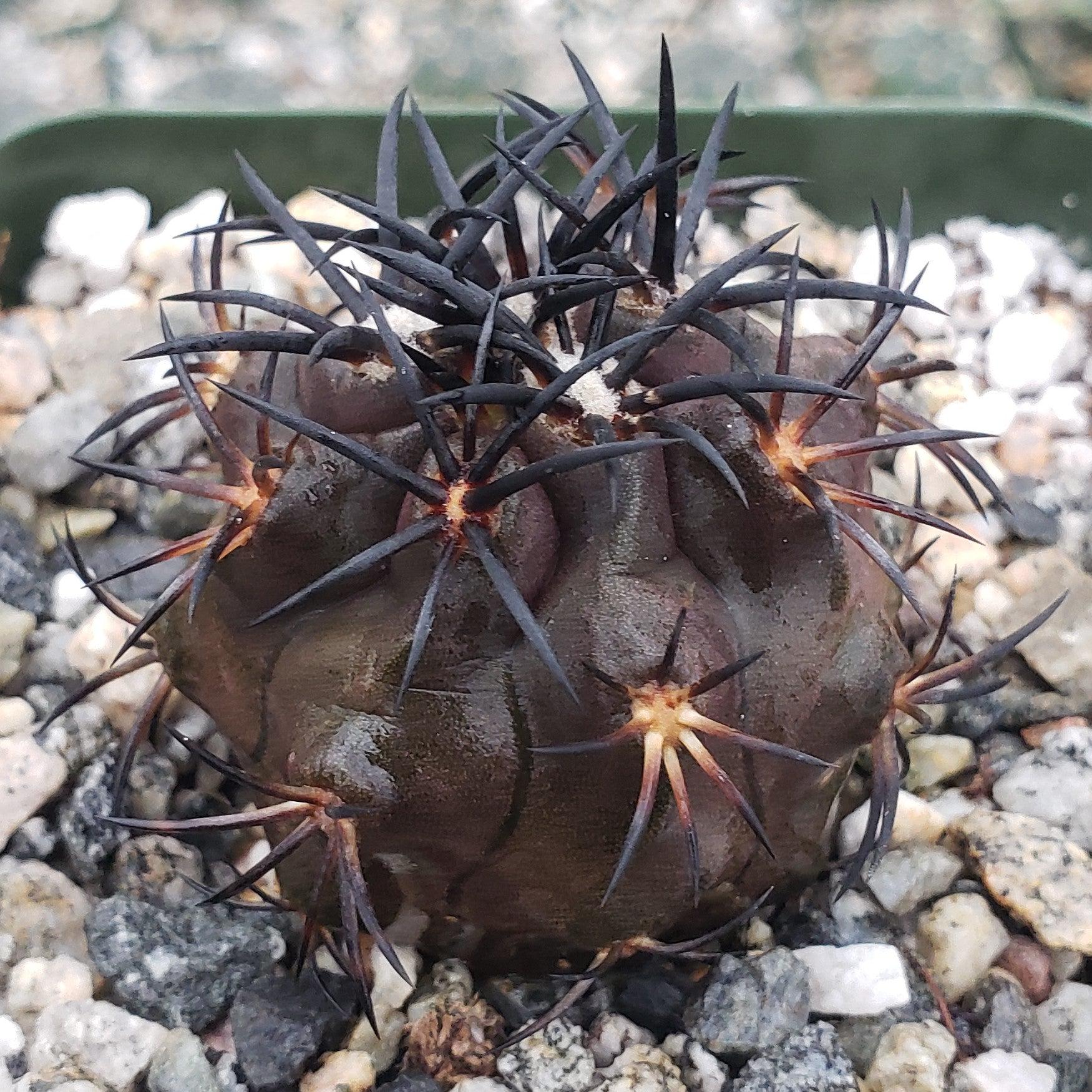
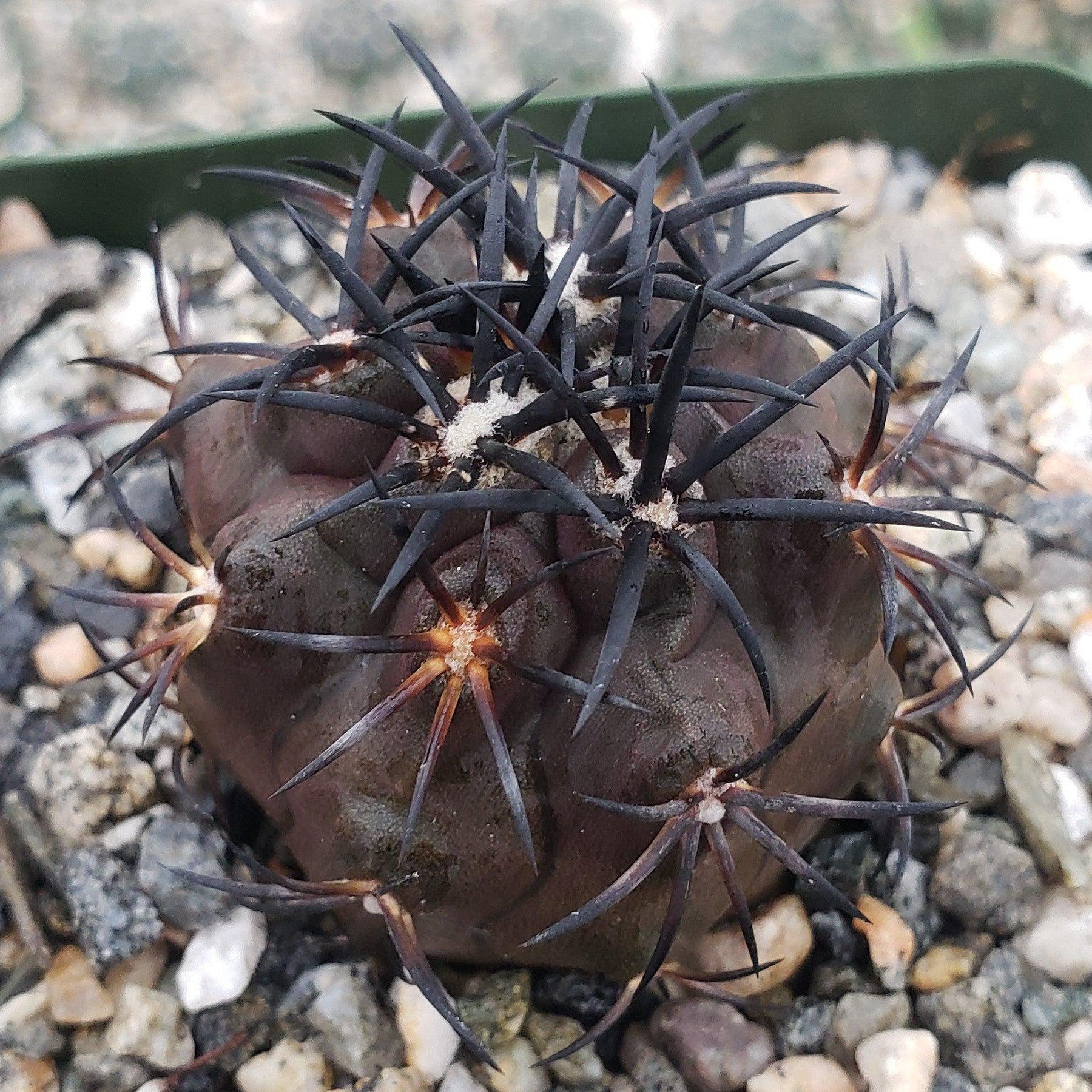
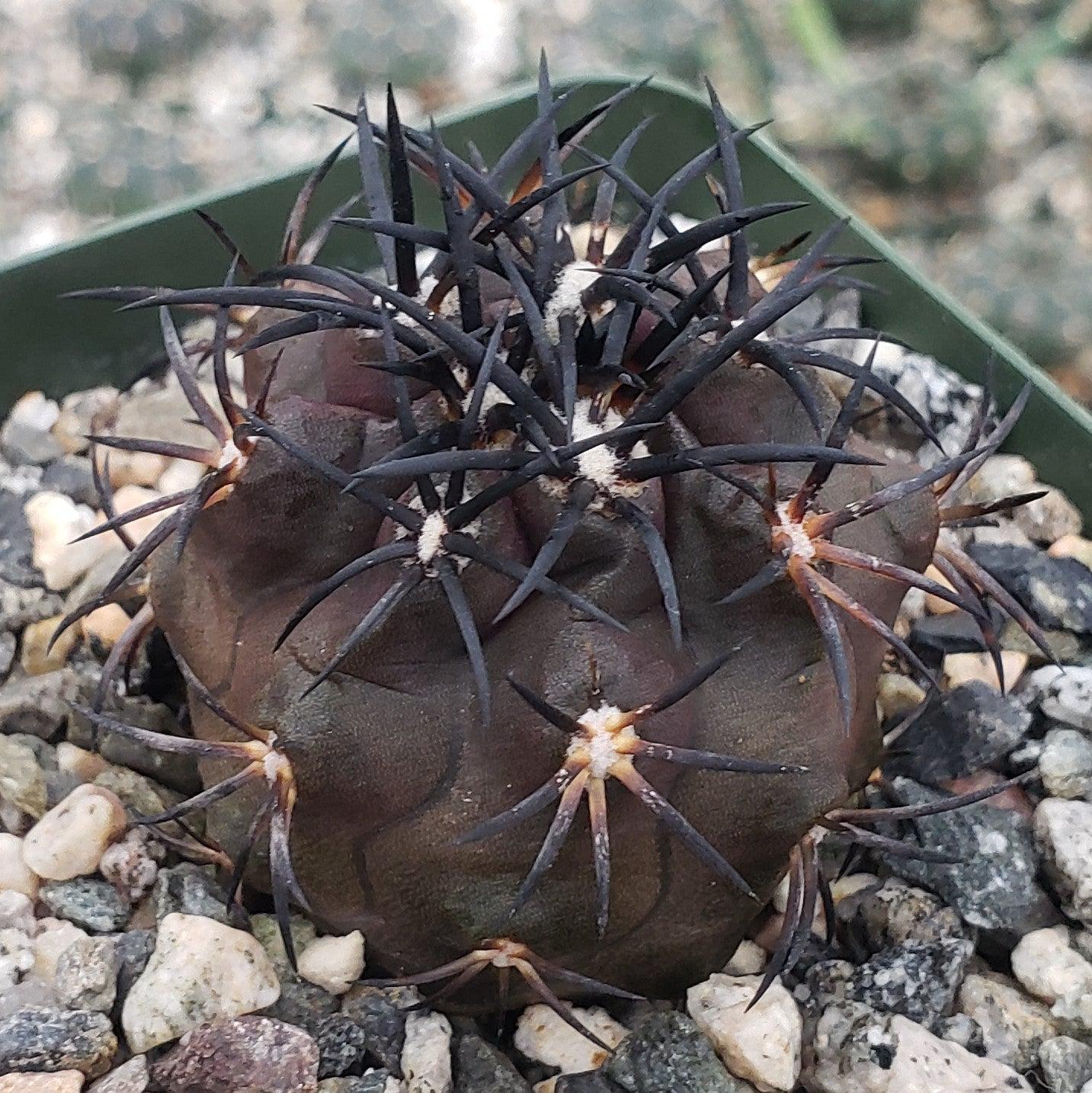
The Copiapoa cactus typically grows in small, globular to slightly cylindrical forms, often clustering over time into tight colonies.
The stems are dark green to almost brownish, covered with ribs that bear dense, stiff, dark-colored spines, which protect the plant from intense sun and herbivory.
Copiapoa dura is a slow-growing plant, reaching approximately 6 inches tall and wide per stem, although clusters can expand considerably over time. Its rugged, spiny appearance makes it an attractive addition to xeriscape designs or cactus collections.
Despite its tough exterior, Copiapoa dura produces delicate, yellow funnel-shaped flowers, typically during the summer months. These blooms emerge from the woolly crown of the cactus and contrast beautifully with its spiny surface. While the flowers are not large compared to some other cacti, they add seasonal interest and highlight the plant’s ability to thrive in such inhospitable environments.
When it comes to care, the Copiapoa dura requires a well-drained cactus soil. Watering should follow the soak and dry method, allowing soil to fully dry between waterings. During winter dormancy, watering should be minimal or stopped completely.

Indoors, it thrives in bright, direct light and prefers warm temperatures between 65–80°F, though it can tolerate cooler conditions if kept dry.
Outdoors, it should be grown in full sun in USDA zones 9–11, where frost is rare.
Fertilizing once a year during the active growing season with a diluted cactus fertilizer will help support slow but healthy growth.
Propagation of Copiapoa dura is usually done through seed, as it grows slowly and does not always produce many offsets. According to ASPCA, the Copiapoa dura is not considered toxic to humans, cats, dogs, or birds.
Overall, the Copiapoa dura is a rare and resilient cactus that embodies the harsh beauty of the Atacama Desert. With its compact, spiny form and cheerful yellow flowers, it appeals to both collectors and casual growers seeking a distinctive plant for arid gardens or indoor displays. Though it grows slowly, proper care with well-draining soil, bright light, and minimal water will reward growers with a long-lived specimen that can thrive for decades.
Bloom Season
Flower Color
Growth Rate
Hardiness Zone
Mature Size
Plant Type
Resistance
Sun Exposure
Watering Needs
| Attribute | Value |
|---|---|
| Bloom Season | Summer |
| Botanical Name | Copiapoa echinoides (formerly Copiapoa dura) |
| Dormancy | Winter |
| Family | Cactaceae |
| Flower Color | Yellow |
| Genus | Copiapoa |
| Growth Habit | Clumping |
| Growth Rate | Slow |
| Hardiness Zone | 9, 10, 11 |
| Mature Size | 6 in. tall |
| Native Area | Northern chile |
| Plant Type | Cactus |
| Propagation | By offsets, cuttings |
| Resistance | Extremely drought-tolerant, deer resistant |
| Soil PH | 6.5, Acidic, Neutral |
| Soil Type | Cactus potting mix soil |
| Special Features | Easy to maintain |
| Sun Exposure | Full sun (6+ hrs.), Partial shade (3–6 hrs. sun) |
| Toxicity | Safe for humans, friendly to dogs, friendly to cats |
| Watering Needs | Low |
Growers Quick Reference Guide - Key Features
| Attribute | Value |
|---|---|
| Bloom Season | Summer |
| Botanical Name | Copiapoa echinoides (formerly Copiapoa dura) |
| Dormancy | Winter |
| Family | Cactaceae |
| Flower Color | Yellow |
| Genus | Copiapoa |
| Growth Habit | Clumping |
| Growth Rate | Slow |
| Hardiness Zone | 9, 10, 11 |
| Mature Size | 6 in. tall |
| Native Area | Northern chile |
| Plant Type | Cactus |
| Propagation | By offsets, cuttings |
| Resistance | Extremely drought-tolerant, deer resistant |
| Soil PH | 6.5, Acidic, Neutral |
| Soil Type | Cactus potting mix soil |
| Special Features | Easy to maintain |
| Sun Exposure | Full sun (6+ hrs.), Partial shade (3–6 hrs. sun) |
| Toxicity | Safe for humans, friendly to dogs, friendly to cats |
| Watering Needs | Low |
- Description
- Key Plant Features
The Copiapoa dura is a striking cactus species admired for its unique structure and ability to withstand some of the harshest growing conditions on Earth. As a highly drought-tolerant plant, it thrives in arid landscapes and is often cultivated by collectors and enthusiasts who appreciate rare and slow-growing cacti.
It can be grown in outdoor rock gardens in warm, dry regions, or as a container specimen in greenhouses and indoor collections, where it enjoys bright light and minimal water. It is also known as Copiapoa echinoides.
Native to the Atacama Desert of northern Chile, one of the driest regions in the world.
It is usually recognized simply by its scientific name, though collectors sometimes refer to it as a "hard Copiapoa" in reference to the Latin word dura, meaning "hard" or "tough," reflecting its resilience in extreme desert conditions.
The Copiapoa cactus typically grows in small, globular to slightly cylindrical forms, often clustering over time into tight colonies.
The stems are dark green to almost brownish, covered with ribs that bear dense, stiff, dark-colored spines, which protect the plant from intense sun and herbivory.
Copiapoa dura is a slow-growing plant, reaching approximately 6 inches tall and wide per stem, although clusters can expand considerably over time. Its rugged, spiny appearance makes it an attractive addition to xeriscape designs or cactus collections.
Despite its tough exterior, Copiapoa dura produces delicate, yellow funnel-shaped flowers, typically during the summer months. These blooms emerge from the woolly crown of the cactus and contrast beautifully with its spiny surface. While the flowers are not large compared to some other cacti, they add seasonal interest and highlight the plant’s ability to thrive in such inhospitable environments.
When it comes to care, the Copiapoa dura requires a well-drained cactus soil. Watering should follow the soak and dry method, allowing soil to fully dry between waterings. During winter dormancy, watering should be minimal or stopped completely.
Indoors, it thrives in bright, direct light and prefers warm temperatures between 65–80°F, though it can tolerate cooler conditions if kept dry.
Outdoors, it should be grown in full sun in USDA zones 9–11, where frost is rare.
Fertilizing once a year during the active growing season with a diluted cactus fertilizer will help support slow but healthy growth.
Propagation of Copiapoa dura is usually done through seed, as it grows slowly and does not always produce many offsets. According to ASPCA, the Copiapoa dura is not considered toxic to humans, cats, dogs, or birds.
Overall, the Copiapoa dura is a rare and resilient cactus that embodies the harsh beauty of the Atacama Desert. With its compact, spiny form and cheerful yellow flowers, it appeals to both collectors and casual growers seeking a distinctive plant for arid gardens or indoor displays. Though it grows slowly, proper care with well-draining soil, bright light, and minimal water will reward growers with a long-lived specimen that can thrive for decades.
Bloom Season
Flower Color
Growth Rate
Hardiness Zone
Mature Size
Plant Type
Resistance
Sun Exposure
Watering Needs
| Attribute | Value |
|---|---|
| Bloom Season | Summer |
| Botanical Name | Copiapoa echinoides (formerly Copiapoa dura) |
| Dormancy | Winter |
| Family | Cactaceae |
| Flower Color | Yellow |
| Genus | Copiapoa |
| Growth Habit | Clumping |
| Growth Rate | Slow |
| Hardiness Zone | 9, 10, 11 |
| Mature Size | 6 in. tall |
| Native Area | Northern chile |
| Plant Type | Cactus |
| Propagation | By offsets, cuttings |
| Resistance | Extremely drought-tolerant, deer resistant |
| Soil PH | 6.5, Acidic, Neutral |
| Soil Type | Cactus potting mix soil |
| Special Features | Easy to maintain |
| Sun Exposure | Full sun (6+ hrs.), Partial shade (3–6 hrs. sun) |
| Toxicity | Safe for humans, friendly to dogs, friendly to cats |
| Watering Needs | Low |
Growers Quick Reference Guide - Key Features
| Attribute | Value |
|---|---|
| Bloom Season | Summer |
| Botanical Name | Copiapoa echinoides (formerly Copiapoa dura) |
| Dormancy | Winter |
| Family | Cactaceae |
| Flower Color | Yellow |
| Genus | Copiapoa |
| Growth Habit | Clumping |
| Growth Rate | Slow |
| Hardiness Zone | 9, 10, 11 |
| Mature Size | 6 in. tall |
| Native Area | Northern chile |
| Plant Type | Cactus |
| Propagation | By offsets, cuttings |
| Resistance | Extremely drought-tolerant, deer resistant |
| Soil PH | 6.5, Acidic, Neutral |
| Soil Type | Cactus potting mix soil |
| Special Features | Easy to maintain |
| Sun Exposure | Full sun (6+ hrs.), Partial shade (3–6 hrs. sun) |
| Toxicity | Safe for humans, friendly to dogs, friendly to cats |
| Watering Needs | Low |


