


T he Variegated Ficus triangularis, also known as Variegated Triangle Ficus, is a popular evergreen houseplant prized for its distinctive triangular to heart-shaped foliage and elegant, compact growth habit. Its leaves feature attractive cream-to-yellow variegation surrounding deep green centers, giving this tropical ornamental a distinctive look that makes it an eye-catching focal point without overwhelming indoor spaces.

When grown indoors, Ficus triangularis 'Variegata' typically reaches up to 4 feet tall and about 2 feet wide, although its size can vary depending on light, pot size, pruning, and growing conditions.
It performs best in a warm, bright environment and can adapt well to typical household conditions when provided with consistent care, making it a rewarding choice for both experienced plant collectors and those looking to add an elegant tropical accent to their home.
Native to tropical Africa, this slow- to moderate-growing ficus develops woody stems that support dense foliage, making it an excellent choice for living rooms, offices, bedrooms, bright corners, plant stands, and indoor plant collections.
Its manageable size and upright growth habit make it especially appealing for homes and apartments where a larger tree may be impractical. With proper care, this long-lived plant can remain an attractive indoor companion for many years.
Related Product
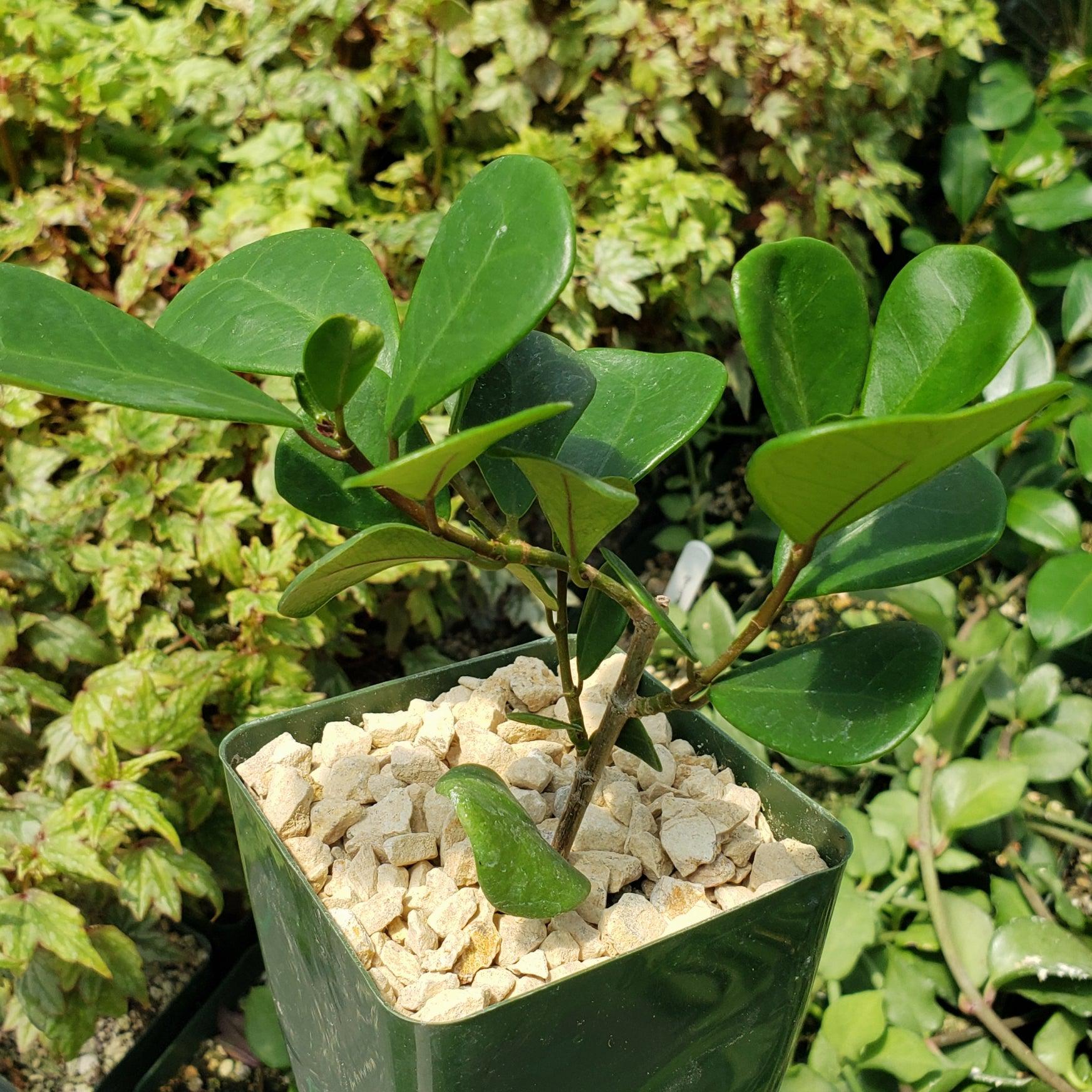
Mature plants may develop tiny, round figs on short stalks near the leaf nodes, emerging gently along the woody branches. These small fruits are not showy or edible and are often overlooked because they emerge quietly during the active spring and summer growing months.
When and How to Water Your Ficus triangularis
It prefers a soil moisture profile that remains lightly moist around the root zone while allowing the top portion to dry out between waterings. It is moderately intolerant of extended droughts because completely dry soil can cause sudden leaf drop. However, it is extremely sensitive to oversaturation, and stagnant, poorly aerated soil will quickly cut off oxygen to the root zone, leading to root rot and severe leaf shedding.
The Variegated Ficus triangularis should typically be watered every 7–10 days during the active growing season (March–September) and every 2–3 weeks during the dormant winter season (October–February).
During the active growing season, water your variegated fig only when the top 1–2 inches of soil feel dry to the touch. When watering, soak the soil thoroughly until water drains freely from the bottom of the pot, then immediately discard any excess water collected in the saucer. Warm temperatures and active growth mean the plant will use moisture efficiently during this period.
During the dormant season, watering frequency significantly reduces as growth slows. Allow the soil to dry out about halfway down the container before offering a light drink, as excess winter moisture combined with lower light levels will quickly damage the root system.
Pro Care Tip: The Ficus variegata is sensitive to sudden changes in moisture and environmental stress, which can trigger leaf drop. To keep its pristine cream variegation healthy, use distilled water, filtered water, or rainwater, and maintain a consistent watering routine to avoid letting the pot dry out completely or sit in water.
Light Requirements – Where to Place Your Variegated Ficus triangularis

When growing indoors, place your plant in bright, indirect light for at least 6–8 hours daily to maintain strong growth and vibrant cream variegation.
An east-facing window or a spot a few feet back from a bright south- or west-facing window works best.
It can also adapt to gentle morning sun, which helps keep the high-contrast variegated pattern distinct. Avoid harsh, unfiltered direct afternoon sunlight, as it can scorch the cream edges of the delicate foliage.
Like many Ficus species, it will gradually lean toward the brightest light source, so rotate the pot every few weeks to encourage balanced growth across all sides.
When grown outdoors, it performs best in partial shade to bright filtered shade in USDA zones 10–11, where temperatures remain consistently warm year-round. In cooler climates, it is best grown as a container plant and brought indoors when temperatures begin falling below 55°F. Place it on a covered patio, shaded porch, or beneath a canopy where it receives protection from intense midday sun.
Optimal Soil & Fertilizer Needs
The Ficus triangularis favors an incredibly loose, highly aerated, and well-draining chunky mix. Planting them in ordinary, heavy houseplant potting soil will suffocate the roots, trap excess stagnant moisture, and inevitably cause root rot. Ideally, you want to use our specialized potting mix that contains 5 natural substrates and organic mycorrhizae to promote the development of a strong root system that helps your houseplant to thrive.
When it comes to feeding, this beautiful, variegated Ficus requires regular, gentle nutrition. Apply a balanced, water-soluble liquid NPK fertilizer diluted to half-strength every 4 to 6 weeks during the spring and mid-summer active growth phase. Avoid feeding entirely during winter dormancy, as unused nutrients will accumulate in the dry soil and cause chemical root burn.
If you love the unique foliage and tree-like habit of the variegated triangle fig, be sure to explore our collection of exotic Ficus and variegated indoor plants as well to find more stunning focal pieces for your home.
How to Best Grow Indoors as a Houseplant
The Variegated Ficus triangularis is a popular tropical houseplant that thrives indoors when provided with bright light, warm temperatures, and protection from drafts and sudden environmental changes.
- Place your plant in bright, indirect light, such as near an east-facing window or a few feet back from a south- or west-facing window, where it receives plenty of bright light to maintain its high-contrast cream patterns.
- Keep it in a comfortable part of your home with normal household temperatures, as it prefers warmth between 65°F and 85°F but does not require you to change your home temperature specifically for the plant.
- Maintain moderate to elevated humidity when possible, ideally around 40–60%, although the plant easily adapts to average household humidity with consistent care and proper light.
- Increase humidity naturally by grouping the plant with other houseplants or placing it on a pebble tray, while a humidifier can be used if your home's air is especially dry during winter months.
- Keep the plant away from cold drafts, open windows, exterior doors, air conditioners, and direct blasts from heating vents, as sudden temperature drops and dry air drafts are a primary cause of Ficus triangularis variegata dropping leaves.
Hardiness Zone & More
In the United States, it is primarily grown as an indoor houseplant, but in frost-free tropical and subtropical regions such as southern Florida and Hawaii, it can be grown outdoors year-round in USDA Hardiness Zones 10–11.

Outdoors, it performs best in bright shade or filtered light, where its delicate variegated foliage is protected from intense direct sunlight that can cause leaf scorch.
It thrives in warm temperatures and moderate to high humidity, with outdoor temperatures ideally remaining above 60°F, while frost and freezing temperatures can quickly damage or kill this tropical plant. Good air circulation is also important, but it should be protected from cold winds and sudden temperature drops.
Wildlife – Ficus Flowers Attract the Following Friendly Pollinators
This Ficus rarely fruits or blooms indoors. In outdoor tropical environments, its specialized micro-flowers enclosed inside tiny syconia (figs) rely on specific fig wasps for pollination in its native habitat.
According to the ASPCA, the Ficus triangularis variegata contains a milky latex sap that is mildly toxic to cats, dogs, and horses if ingested. The sap can cause oral irritation, drooling, or mild digestive upset if chewed by curious pets. It is best styled on sturdy plant stands or floor displays safely out of reach of pets.
How to Propagate Your Ficus triangularis variegata
You can easily propagate your collection through stem cuttings during the warm spring or early summer growing season.
- Locate a healthy, semi-woody stem segment with at least 3–4 leaves.
- Using sharp, sterile shears, cut a 4-to-6-inch section cleanly just below a leaf node.
- Wipe away any oozing white latex sap with a clean towel and let the cut end callus over for an hour.
- Dip the tip into rooting hormone powder and insert it into a container filled with moist perlite, sphagnum moss, or lightweight potting mix.
- Cover the pot loosely with a clear plastic bag to lock in high humidity, and place it in warm, bright indirect light.
- Fresh roots will establish within 4 to 6 weeks.
Potting and Repotting Your Plant
This houseplant prefers being slightly snug in its container and does not require frequent pot upgrades. Repot only every 1–2 years during spring, or whenever you notice the roots beginning to crowd the container or emerge from the drainage holes.
Always choose a container with excellent drainage holes, and move up only one pot size at a time (e.g., from a 4-inch pot to a 6-inch pot). Use a loose, moisture-retaining, and quick-draining organic mix. Keep the soil lightly moist and avoid shifting its lighting location for the first week after repotting to help it recover safely from transplant shock.
Key Takeaways
- The Variegated Ficus triangularis stands as one of the best indoor houseplants due to its striking heart-shaped foliage, compact footprint, and high-end ornamental appeal.
- It has unique three-angled, leathery leaves that form natural heart shapes painted with thick, high-contrast ivory-cream borders.
- The plant naturally develops a sturdy, woody-stemmed miniature tree structure that delivers the sophisticated look of a full-sized ficus in a compact frame.
- This rare tropical species can occasionally produce small, pea-sized ornamental green figs directly on its branches when grown in warm, bright indoor conditions.
- It thrives best when given bright indirect light, consistent warmth, and protection from sudden cold air drafts.
The Bottom Line
Overall, the Ficus triangularis variegata stands as one of the most striking, reliable, and visually rewarding foliage houseplants you can introduce to your collection. Its thick waxy texture, crisp heart-shaped leaves, and rich cream-and-green contrast bring an immediate air of modern luxury to any interior space. While it appreciates bright light and a steady watering routine, its beautiful tree-like habit makes it an effortless investment for plant lovers. Order your beautiful Ficus triangularis variegata for sale today!
Growers Quick Reference Guide - Key Features
- Description
- Key Plant Features
T he Variegated Ficus triangularis, also known as Variegated Triangle Ficus, is a popular evergreen houseplant prized for its distinctive triangular to heart-shaped foliage and elegant, compact growth habit. Its leaves feature attractive cream-to-yellow variegation surrounding deep green centers, giving this tropical ornamental a distinctive look that makes it an eye-catching focal point without overwhelming indoor spaces.
When grown indoors, Ficus triangularis 'Variegata' typically reaches up to 4 feet tall and about 2 feet wide, although its size can vary depending on light, pot size, pruning, and growing conditions.
It performs best in a warm, bright environment and can adapt well to typical household conditions when provided with consistent care, making it a rewarding choice for both experienced plant collectors and those looking to add an elegant tropical accent to their home.
Native to tropical Africa, this slow- to moderate-growing ficus develops woody stems that support dense foliage, making it an excellent choice for living rooms, offices, bedrooms, bright corners, plant stands, and indoor plant collections.
Its manageable size and upright growth habit make it especially appealing for homes and apartments where a larger tree may be impractical. With proper care, this long-lived plant can remain an attractive indoor companion for many years.
Related Product
Mature plants may develop tiny, round figs on short stalks near the leaf nodes, emerging gently along the woody branches. These small fruits are not showy or edible and are often overlooked because they emerge quietly during the active spring and summer growing months.
When and How to Water Your Ficus triangularis
It prefers a soil moisture profile that remains lightly moist around the root zone while allowing the top portion to dry out between waterings. It is moderately intolerant of extended droughts because completely dry soil can cause sudden leaf drop. However, it is extremely sensitive to oversaturation, and stagnant, poorly aerated soil will quickly cut off oxygen to the root zone, leading to root rot and severe leaf shedding.
The Variegated Ficus triangularis should typically be watered every 7–10 days during the active growing season (March–September) and every 2–3 weeks during the dormant winter season (October–February).
During the active growing season, water your variegated fig only when the top 1–2 inches of soil feel dry to the touch. When watering, soak the soil thoroughly until water drains freely from the bottom of the pot, then immediately discard any excess water collected in the saucer. Warm temperatures and active growth mean the plant will use moisture efficiently during this period.
During the dormant season, watering frequency significantly reduces as growth slows. Allow the soil to dry out about halfway down the container before offering a light drink, as excess winter moisture combined with lower light levels will quickly damage the root system.
Pro Care Tip: The Ficus variegata is sensitive to sudden changes in moisture and environmental stress, which can trigger leaf drop. To keep its pristine cream variegation healthy, use distilled water, filtered water, or rainwater, and maintain a consistent watering routine to avoid letting the pot dry out completely or sit in water.
Light Requirements – Where to Place Your Variegated Ficus triangularis
When growing indoors, place your plant in bright, indirect light for at least 6–8 hours daily to maintain strong growth and vibrant cream variegation.
An east-facing window or a spot a few feet back from a bright south- or west-facing window works best.
It can also adapt to gentle morning sun, which helps keep the high-contrast variegated pattern distinct. Avoid harsh, unfiltered direct afternoon sunlight, as it can scorch the cream edges of the delicate foliage.
Like many Ficus species, it will gradually lean toward the brightest light source, so rotate the pot every few weeks to encourage balanced growth across all sides.
When grown outdoors, it performs best in partial shade to bright filtered shade in USDA zones 10–11, where temperatures remain consistently warm year-round. In cooler climates, it is best grown as a container plant and brought indoors when temperatures begin falling below 55°F. Place it on a covered patio, shaded porch, or beneath a canopy where it receives protection from intense midday sun.
Optimal Soil & Fertilizer Needs
The Ficus triangularis favors an incredibly loose, highly aerated, and well-draining chunky mix. Planting them in ordinary, heavy houseplant potting soil will suffocate the roots, trap excess stagnant moisture, and inevitably cause root rot. Ideally, you want to use our specialized potting mix that contains 5 natural substrates and organic mycorrhizae to promote the development of a strong root system that helps your houseplant to thrive.
When it comes to feeding, this beautiful, variegated Ficus requires regular, gentle nutrition. Apply a balanced, water-soluble liquid NPK fertilizer diluted to half-strength every 4 to 6 weeks during the spring and mid-summer active growth phase. Avoid feeding entirely during winter dormancy, as unused nutrients will accumulate in the dry soil and cause chemical root burn.
If you love the unique foliage and tree-like habit of the variegated triangle fig, be sure to explore our collection of exotic Ficus and variegated indoor plants as well to find more stunning focal pieces for your home.
How to Best Grow Indoors as a Houseplant
The Variegated Ficus triangularis is a popular tropical houseplant that thrives indoors when provided with bright light, warm temperatures, and protection from drafts and sudden environmental changes.
- Place your plant in bright, indirect light, such as near an east-facing window or a few feet back from a south- or west-facing window, where it receives plenty of bright light to maintain its high-contrast cream patterns.
- Keep it in a comfortable part of your home with normal household temperatures, as it prefers warmth between 65°F and 85°F but does not require you to change your home temperature specifically for the plant.
- Maintain moderate to elevated humidity when possible, ideally around 40–60%, although the plant easily adapts to average household humidity with consistent care and proper light.
- Increase humidity naturally by grouping the plant with other houseplants or placing it on a pebble tray, while a humidifier can be used if your home's air is especially dry during winter months.
- Keep the plant away from cold drafts, open windows, exterior doors, air conditioners, and direct blasts from heating vents, as sudden temperature drops and dry air drafts are a primary cause of Ficus triangularis variegata dropping leaves.
Hardiness Zone & More
In the United States, it is primarily grown as an indoor houseplant, but in frost-free tropical and subtropical regions such as southern Florida and Hawaii, it can be grown outdoors year-round in USDA Hardiness Zones 10–11.
Outdoors, it performs best in bright shade or filtered light, where its delicate variegated foliage is protected from intense direct sunlight that can cause leaf scorch.
It thrives in warm temperatures and moderate to high humidity, with outdoor temperatures ideally remaining above 60°F, while frost and freezing temperatures can quickly damage or kill this tropical plant. Good air circulation is also important, but it should be protected from cold winds and sudden temperature drops.
Wildlife – Ficus Flowers Attract the Following Friendly Pollinators
This Ficus rarely fruits or blooms indoors. In outdoor tropical environments, its specialized micro-flowers enclosed inside tiny syconia (figs) rely on specific fig wasps for pollination in its native habitat.
According to the ASPCA, the Ficus triangularis variegata contains a milky latex sap that is mildly toxic to cats, dogs, and horses if ingested. The sap can cause oral irritation, drooling, or mild digestive upset if chewed by curious pets. It is best styled on sturdy plant stands or floor displays safely out of reach of pets.
How to Propagate Your Ficus triangularis variegata
You can easily propagate your collection through stem cuttings during the warm spring or early summer growing season.
- Locate a healthy, semi-woody stem segment with at least 3–4 leaves.
- Using sharp, sterile shears, cut a 4-to-6-inch section cleanly just below a leaf node.
- Wipe away any oozing white latex sap with a clean towel and let the cut end callus over for an hour.
- Dip the tip into rooting hormone powder and insert it into a container filled with moist perlite, sphagnum moss, or lightweight potting mix.
- Cover the pot loosely with a clear plastic bag to lock in high humidity, and place it in warm, bright indirect light.
- Fresh roots will establish within 4 to 6 weeks.
Potting and Repotting Your Plant
This houseplant prefers being slightly snug in its container and does not require frequent pot upgrades. Repot only every 1–2 years during spring, or whenever you notice the roots beginning to crowd the container or emerge from the drainage holes.
Always choose a container with excellent drainage holes, and move up only one pot size at a time (e.g., from a 4-inch pot to a 6-inch pot). Use a loose, moisture-retaining, and quick-draining organic mix. Keep the soil lightly moist and avoid shifting its lighting location for the first week after repotting to help it recover safely from transplant shock.
Key Takeaways
- The Variegated Ficus triangularis stands as one of the best indoor houseplants due to its striking heart-shaped foliage, compact footprint, and high-end ornamental appeal.
- It has unique three-angled, leathery leaves that form natural heart shapes painted with thick, high-contrast ivory-cream borders.
- The plant naturally develops a sturdy, woody-stemmed miniature tree structure that delivers the sophisticated look of a full-sized ficus in a compact frame.
- This rare tropical species can occasionally produce small, pea-sized ornamental green figs directly on its branches when grown in warm, bright indoor conditions.
- It thrives best when given bright indirect light, consistent warmth, and protection from sudden cold air drafts.
The Bottom Line
Overall, the Ficus triangularis variegata stands as one of the most striking, reliable, and visually rewarding foliage houseplants you can introduce to your collection. Its thick waxy texture, crisp heart-shaped leaves, and rich cream-and-green contrast bring an immediate air of modern luxury to any interior space. While it appreciates bright light and a steady watering routine, its beautiful tree-like habit makes it an effortless investment for plant lovers. Order your beautiful Ficus triangularis variegata for sale today!
Growers Quick Reference Guide - Key Features


