

Shop ‘Grafted Cacti’ for Sale – Care and Growing Guide | Planet Desert

Popular Grafted Cactus Types & Care Guide
Read MoreExplore our incredible Grafted cacti, which are colorful and low-maintenance creations where two different cactus species are joined together to create a unique and beautiful plant.
The grafting process involves carefully cutting and attaching the top part of one cactus to the rootstock of another cactus. The plant on top actually uses the energy and nutrients from the plant below to grow faster and more vigorously than it would on its own. It's like a power boost for the top cactus.
By grafting, cacti enthusiasts and growers can combine the desirable traits of different cactus species, creating stunning hybrids with vibrant colors, unique shapes, and even different flowering patterns.
So, if you're looking to explore more about grafted cacti, then check out our care section at the bottom of the page. If you want to learn more about the grafting process itself then check out our grafted cactus article.


Grafted Cactus Key Features:
Here are some main key features of the varieties of the grafted cactus:
- Unique Combinations: Grafted cacti allow for the creation of extraordinary combinations by joining different cactus species together. This results in striking and one-of-a-kind plants that you won't find in nature.
- Faster Growth: The top cactus, known as the scion, uses the energy and nutrients from the rootstock cactus to grow faster than it would on its own. It's like having a turbocharged growth engine!
- Enhanced Resilience: Grafting can improve the overall resilience of cacti, making them more resistant to diseases, pests, and environmental stressors. This can be especially beneficial in challenging growing conditions.
- Colorful Displays: Grafted cacti often exhibit vibrant and eye-catching colors, thanks to the combination of different cactus species. From bold red and orange grafted moon cacti to stunning purple and yellow grafted moon cacti, they can create a dazzling display.
- Varied Forms: Grafting cacti involves using rootstocks like Hylocereus, Blue Myrtle cactus, Golden Torch cactus, Harrisia jusbertii, and Peruvian apple cactus. Most colorful mutants are derived from Gymnocalycium mihanovichii and Peanut cactus variegated forms, but grafting possibilities are endless.
- Extended Blooming Period: By grafting, cacti can sometimes have an extended blooming period, allowing you to enjoy the beautiful grafted cactus flowers for a longer time. It's like having a prolonged burst of natural beauty.
Grafted Cactus Care
When it comes to grafting your cacti, keep the following points in mind:
Quick Reference

Bloom Season

Flower Color

Growth Rate
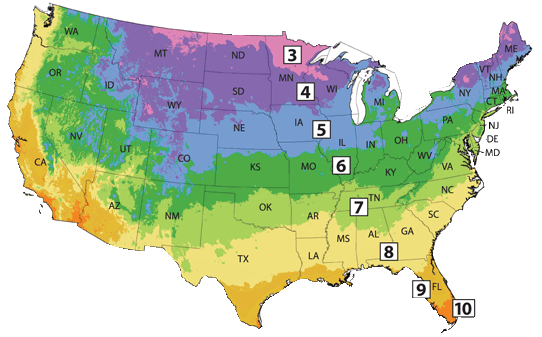
Hardiness Zone
Mature Size
Plant Type

Sun Exposure

Toxicity

Watering Needs
Watering Needs
Grafted cactus watering requirements vary depending on the species involved in the grafting. As a general rule, you can sprinkle your plants once in a while with a spray bottle to water them. To avoid root rot, water them only after the soil has dried out, and make sure that any extra water drains out of the plant immediately.
As for growing seasons, grafted cacti typically follow the natural growth patterns of the top scion cactus. So, if the scion is a summer grower, it will thrive during the warmer months, while winter growers will be more active during the cooler seasons. It's important to research and understand the specific needs of the cactus species involved in the grafting to ensure they receive the right care throughout the year.
Light Requirements
When it comes to light requirements for grafted cacti, they generally prefer bright, indirect sunlight. If you're growing them indoors, place them near a sunny window where they can receive at least 6-8 hours of bright sunlight per day. If you're growing them outdoors, choose a spot that gets partial shade with bright filtered sunlight for most of the day. However, be mindful of extreme heat and intense sunlight, as some grafted cacti may require some protection or shading during the hottest parts of the day.
Optimal Soil & Fertilizer Needs
For grafted cacti healthy growth, provide them with well-draining soil and a balanced fertilizer. Cacti love soil that is sandy or gritty, allowing water to flow through easily and preventing root rot. You can create your own suitable potting mix by combining cactus soil with perlite or coarse sand. As for fertilizing, it's best to use a balanced NPK fertilizer specifically formulated for cacti and succulents.
Once a year in the spring, during the active growing season, you can fertilize your grafted cacti for healthy growth. However, during the dormant season, which is usually fall and winter, it's best to avoid fertilizing altogether. Remember to follow the instructions on the fertilizer package and dilute it to the recommended (5-10-5) strength.
Hardiness Zones & More
Grafted cacti can generally tolerate a wide range of temperatures, but most prefer warm to hot conditions. The rootstock of your grafted cacti is frost-sensitive. Thus, if you live in areas that get colder during certain months, it is better to bring them indoors with an ideal temperature of around 60-80°F. As for outdoor conditions, it's important to know the USDA hardiness zone for your area. Different cacti species have different temperature tolerances, so it's crucial to choose varieties that are suitable for your specific zone.
For example, if you're in USDA Zone 9, you'll want to select cacti that can withstand temperatures down to 20-30°F. Additionally, grafted cacti appreciate low to moderate humidity levels, as high humidity can increase the risk of fungal diseases.
The Bottom Line
Overall, Cactus grafting is an effective method to save a dying plant. The best part is that grafted cacti demand little care and like to be treated just like ungrafted ones. The entire process is simple and can be done effortlessly. Grafted cacti often exhibit interesting combinations of colors, shapes, and growth habits. Additionally, grafting allows for the propagation of rare or slow-growing cacti, making it a valuable technique for cactus enthusiasts. So, if you're looking to add some unique and eye-catching cacti to your collection, grafting is definitely worth exploring. If you want to learn more about how to graft your cactus, you can read our article Everything you need to know about grafted cacti.