Stonecrop Sedum Plants: Care, Popular Varieties & Buyers Guide
Updated: September 09, 2026

Sedum, commonly known as stonecrop, is a popular groundcover, prized for its ability to spread and form colorful, low-maintenance carpets of foliage. These drought-tolerant plants thrive in sunny, dry spots and are often used to fill gaps between stepping stones, spill over rock walls, or blanket slopes with vibrant texture.
Many Stonecrop Sedum varieties naturally form clumps that slowly expand, while others spread outward more quickly, hugging the ground with dense, trailing growth.
It is important to know that there are two broad categories of sedum.
- Low-growing Groundcover Sedum Plants: These are the types that tend to grow along the ground. They spread around and do not grow more than a few inches. Thus, these sedum plants act as good ground cover. You can try them as cascading plants down a stone wall. Also, sedum ground cover care is minimal.
- Upright & Clumping Sedum Plants: They grow tall and straight, mostly as clumps. This category, in the past few years, was reclassified as Hylotelephium. The upright plants are good candidates for planting along the border of gardens. The plant bears reddish-pink blooms, which are quite small in size.
Sedum Stonecrop Plants – Everything You Need to Know!

With over 600 recognized species, the Stonecrop Sedum plants are known for their adaptability and wide range of shapes, sizes, and colors.
Botanically, they are characterized by their fleshy, water-storing leaves, which help them survive in dry, rocky environments with minimal moisture.
Native to the Northern Hemisphere, particularly in temperate regions of North America, Europe, and Asia, Sedum plants have evolved to tolerate a variety of climates, from alpine slopes to desert-like conditions.
Their resilience and hardiness make them ideal for both cold and warm climates, depending on the species.
Key Characteristics of Sedum Succulents
- Water-Storing Leaves: Sedums have thick, fleshy leaves that retain moisture, allowing them to thrive in hot, dry conditions. Leaf shapes vary from rounded and oval to narrow and needle-like, depending on the species.
- Colorful, Star-Shaped Blooms: Though small, Sedum flowers appear in dense, eye-catching clusters, often in pink, yellow, red, or white. Most varieties bloom from late spring through fall, adding seasonal bursts of color that attract pollinators.
- Versatile Growth Habits: Sedums come in two main forms: low-growing, spreading groundcovers and upright, clump-forming types that provide structure and height. This versatility makes them useful in everything from rock gardens to mixed borders.
- Year-Round Foliage Interest: Many Sedums offer stunning foliage in shades of green, blue-green, deep red, and purple, with some showing variegated or color-shifting leaves that intensify with sun exposure or seasonal changes.
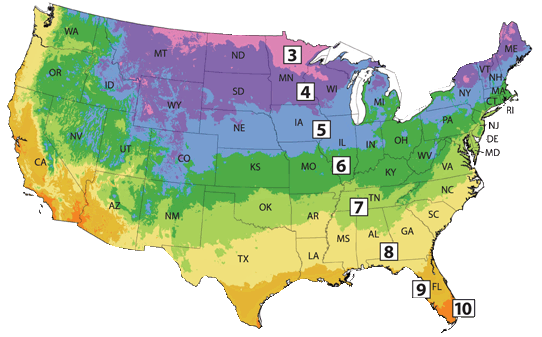
- Hardy & Heat-Tolerant: Most Sedums are cold-hardy in USDA zones 3–9 and handle high heat well when planted in well-draining soil. They’re perfect for both alpine climates and sun-soaked landscapes.
Landscaping and Design Ideas for Sedum
With their diverse colors, textures, and forms, Sedum plants offer incredible versatility in landscape design. From miniature groundcovers to trailing varieties and upright bloomers, Sedums can enhance nearly any outdoor space, especially those that prioritize low maintenance and water efficiency. Their drought tolerance, year-round interest, and ability to thrive in poor soils make them a favorite among home gardeners, designers, and architects alike.

Sedums Look Great in Rock Gardens
Sedums are a natural fit for rock gardens, where their compact size and rugged texture complement stone, gravel, and other succulents. They tuck easily into crevices, spill gently over rocks, and provide pops of color without needing rich soil or constant care.

They are Great for Green Roofs and Living Walls
Due to their shallow roots and heat tolerance, many sedums are ideal for green roofs and vertical wall installations. These applications reduce urban heat, provide insulation, and add beauty to otherwise unused spaces. Low-growing Sedums are commonly used in these eco-friendly designs.

Sedums are Great for Border Edging and in Containers
Sedums make excellent border plants, adding definition and texture along walkways, garden beds, or raised planters. They also shine in mixed containers with other drought-tolerant plants, offering contrast in form and foliage while filling gaps with their spreading growth habit.

Sedum Plants Attract Friendly Pollinators
Many upright sedums produce clusters of nectar-rich flowers that attract bees, butterflies, and other pollinators. Planting them in sunny spots not only beautifies the space but also supports a healthy, biodiverse garden ecosystem.

Sedums are Great for Hanging Planters, Railings, and Vertical Displays
Trailing varieties of Sedum are especially well-suited for hanging baskets, balcony railings, and cascading planter boxes. Their flowing growth habit adds softness and color to vertical spaces, making them a charming option for small patios, porch railings, and window boxes
Sedum Flowers & Blooming Season
Sedums aren’t just grown for their foliage; many varieties produce beautiful star-shaped flowers that range in color from white, pink, red, and yellow to deep purples. Blooming typically occurs from late spring to early fall, depending on the variety and climate. Upright Sedums like ‘Autumn Joy’ often bloom in late summer into fall, providing valuable nectar to pollinators late in the season, while trailing types may bloom earlier in warmer climates.
A colorful variety of Sedum plants showcases their unique blooms and foliage. These hardy, drought-tolerant plants are perfect for adding year-round interest to gardens, rockeries, and containers.

How to Encourage Blooming:
If your Sedum isn’t blooming, the most common cause is insufficient sunlight. While Sedums tolerate partial shade, they bloom best in full sun. Overwatering can also suppress flowering, so make sure your plant is in well-draining soil and that watering is infrequent, especially during dormancy.
Stonecrop Sedum Plant Care: Tips & Tricks
The above-mentioned Sedum plants are incredibly low-maintenance. Whether planting sedum, opens in a new tab in pots indoors or outdoors, the ideal time to plant sedum is either spring or summer. You need to add a lot of grit to the soil for good drainage, and water the mixture well before planting. Once planted, the sedum plant usually does not require much watering due to its drought-tolerant nature.
The low-growing succulents, opens in a new tab usually need to be laid on the ground. That is enough for roots to start sprouting - simply drop and grow sedum ground cover. The taller sedums need different handling. You need to take one stem and push it into the center of the soil. Roots will start to form very quickly. Below, you can learn more in detail about Sedum care.
Quick Reference

Bloom Season

Flower Color

Growth Rate
Hardiness Zone

Mature Size
Plant Type

Sun Exposure

Toxicity

Watering Needs
Sedum Stonecrop Watering Needs: How Often and How Much?

Sedum plants are one of the most drought-tolerant plant groups you can grow.
These resilient succulents are adapted to arid climates and poor soils, storing water in their thick, fleshy leaves to withstand long dry spells.
Sedum stonecrop prefers watering once every 7 to 14 days from spring to early fall, and once every 3 to 5 weeks from late fall to winter.
From spring through early fall, during the active growing season, Sedum plants should be watered only when the soil is completely dry.
This usually means watering every 7 to 14 days, depending on sun exposure, pot size, airflow, and temperature.
Always check the top few inches of soil before watering, and be sure the container or planting site drains quickly. Sedum roots are highly sensitive to excess moisture and can rot if left sitting in wet soil. Morning watering is best, as it allows any surface moisture to evaporate by nightfall.
From late fall through winter, in the dormant season, Sedums enter a period of slow or paused growth and require even less water. Cut back significantly and water only every 3 to 5 weeks, or just enough to prevent visible shriveling. For outdoor Sedums, natural winter rainfall is often enough. Indoors, especially in cooler rooms, it's safest to err on the side of underwatering. Allow the plant to rest during this time so it can remain healthy and bounce back vigorously in spring.
How Much Light Do Sedum Plants Prefer

When grown indoors, your Sedum plants prefer bright, direct sunlight for at least 4 to 6 hours a day, though more is often better.
A south- or west-facing window is ideal, as these locations provide the intense light Sedums need to maintain their compact form and vibrant color.
If grown in low light or placed too far from a light source, Sedums may become leggy, lose their leaf color, or stretch unnaturally toward the light.
Always rotate indoor plants regularly to promote even growth and prevent leaning.
When grown outdoors, Sedums thrive in full sun for at least 6 to 8 hours per day. Most varieties develop their richest colors and most compact growth when exposed to direct sunlight. In cooler climates, Sedums can handle the sun all day without stress.
However, in extremely hot or arid regions, a bit of afternoon shade may prevent sun-scorch, particularly for young or recently transplanted plants. Raised beds, rock gardens, and uncovered pots are all great outdoor placements that allow for excellent light exposure and air circulation.
Keep an eye out for signs of light stress. Whether grown indoors or outside, Sedum plants should be slowly acclimated when moved between low and high light conditions. A balance of bright, direct light and well-drained soil will keep your Sedum thriving year-round.
- If your Sedum is becoming pale, stretched, or dropping lower leaves, it likely needs more light.
- If leaves appear scorched, wrinkled, or turn a washed-out yellow, it might be getting too much intense afternoon sun, especially in hot zones.
Want to keep your Sedum looking its best?
Below our Favorite types of Sedum List you will learn more important tips for growing happy sedum plants.
Our 14 Most Favorite Sedum Varieties
Sedum succulents come in an impressive range of varieties, from mat-forming ground covers to upright, flowering types and trailing selections perfect for hanging containers. These drought-tolerant succulents are loved for their easy care, unique textures, and ability to thrive in poor soil and dry climates.
Many of the groundcover Sedum types, such as Donkey’s Tail (Sedum morganianum) and Burro’s Tail, are also ideal for hanging baskets and elevated planters. Their trailing stems spill beautifully over container edges, making them popular choices for vertical gardening or patio décor.
We’ve divided our top 14 list into our favorite ground cover and trailing varieties to help you choose the best fit for your garden or container.

1
Burro’s Tail Succulent - Sedum morganianum ‘Burrito’
SHOP AT PLANET DESERTkeypoints:
- USDA Hardiness Zones: 11,12
- Watering Needs: Low, extremely drought-tolerant
- Growth Habit: Trailing
- Flower Color: Pink, deep red, purple
The Burro’s Tail plant is a whimsical trailing succulent known for its densely packed, bead-like leaves that form thick, rope-like stems. Its pale green to bluish foliage creates a cascading effect that softens any space, making it a favorite for hanging baskets or tall planters. Slow-growing but striking, it thrives in bright, indirect sunlight and prefers well-draining soil with infrequent watering. Ideal for indoor or sheltered outdoor areas, this plant adds movement and texture as it spills over containers, offering a serene, natural drape perfect for boho or modern decor. Learn more...

2
Donkey Tail Plant 'Sedum morganianum'
SHOP AT PLANET DESERTkeypoints:
- USDA Hardiness Zones: 11,12
- Watering Needs: Low, extremely drought-tolerant
- Growth Habit: Trailing
- Flower Color: Pink, deep red, purple
The Donkey Tail Plant is a classic succulent admired for its long, trailing stems and tear-shaped leaves that are more loosely arranged than the ‘Burrito’ variety. Its light green foliage creates a graceful, cascading effect, adding vertical interest to shelves, macrame planters, or balcony railings. This plant is drought-tolerant and thrives on neglect—simply provide bright filtered sunlight and minimal water, especially during cooler months. Over time, it forms long tendrils that can reach up to four feet, transforming any vertical space into a lush, trailing succulent display. Learn more...

3
Jelly Bean Succulent 'Sedum rubrotinctum'
SHOP AT PLANET DESERTkeypoints:
- USDA Hardiness Zones: 9, 10, 11
- Watering Needs: Low, extremely drought-tolerant
- Growth Habit: Trailing, spreading
- Flower Color: Yellow
The Jelly Bean Succulent is a vibrant, playful plant featuring chubby, green leaves that blush to red or bronze in full sunlight. It’s cheerful, jellybean-shaped foliage grows in low, spreading clusters, forming colorful mats perfect for sunny rock gardens or patio containers. This sun-loving succulent thrives in well-draining soil and dry conditions, making it a great pick for xeriscaping. With its compact growth habit and eye-catching colors, it adds a pop of whimsy and texture to small planters, fairy gardens, or even living wreaths. Learn more...

4
Miniature Joshua Tree (Sedum multiceps)
SHOP AT PLANET DESERTkeypoints:
- USDA Hardiness Zones: 9, 10, 11
- Watering Needs: Low, extremely drought-tolerant
- Growth Habit: Mat-forming
- Flower Color: Yellow
The Sedum multiceps, often called Miniature Joshua Tree, is a rare and intriguing succulent that forms woody branches topped with starburst-like clusters of tiny blue-green leaves. This branching, shrubby sedum develops into a low, multi-stemmed miniature forest, giving it a bonsai-like aesthetic that’s perfect for collectors or creative displays. It thrives in full sun, poor soils, and arid climates, requiring minimal care and sparse watering. Its unusual form and texture make it a standout addition to rock gardens, shallow bonsai pots, or architectural arrangements. Learn more...

5
Pink Jellybean Succulent - Sedum rubrotinctum aurora
SHOP AT PLANET DESERTkeypoints:
- USDA Hardiness Zones: 9, 10, 11
- Watering Needs: Low, extremely drought-tolerant
- Growth Habit: Trailing, cascading
- Flower Color: Bright Yellow
The Pink Jellybean Succulent ‘Aurora’ is a charming pastel-toned variety with fleshy, oval leaves that blush shades of soft pink, cream, and green under bright light. Its candy-colored appearance is enhanced by its low-growing, spreading habit, making it ideal for use as a border filler, groundcover, or a centerpiece in mixed succulent arrangements. This drought-tolerant sedum prefers sunny locations and infrequent watering, and its delicate hues intensify with light exposure. A must-have for collectors, it adds a gentle pop of color and a soft, glossy texture wherever it’s planted. Learn more...

6
Sedum furfuraceum
SHOP AT PLANET DESERTkeypoints:
- USDA Hardiness Zones: 9, 10, 11
- Watering Needs: Low, extremely drought-tolerant
- Growth Habit: Trailing, branching
- Flower Color: Pinkish White
The Sedum furfuraceum is a compact, slow-growing succulent known for its stacked, oval leaves that appear coated in a flaky white film, giving it a unique, rustic appearance. These clustered rosettes form dense mats that stay low to the ground, offering a tidy and textured look that works beautifully in miniature gardens, alpine troughs, or tight spaces. It thrives in full to partial sun with well-draining soil and minimal water. Its distinct foliage and frost-dusted aesthetic provide a cool contrast when paired with brighter succulents or colorful rock mulch. Learn more...

7
Sedum Spurium 'Tricolor'
SHOP AT PLANET DESERTkeypoints:
- USDA Hardiness Zones: 3, 4, 5, 6, 7, 8, 9
- Watering Needs: Low, extremely drought-tolerant
- Growth Habit: Trailing
- Flower Color: Pink, red, white
The Sedum spurium ‘Tricolor’ is a colorful groundcover standout with leaves edged in creamy white and soft pink, surrounding a green center. This vigorous spreader forms dense mats of vibrant foliage that change hues with the seasons, offering year-round visual interest. Ideal for edging pathways, filling rock gardens, or spilling over raised beds, it thrives in full sun and requires minimal care once established. Its rapid growth and bold coloration make it a fantastic choice for adding texture and brightness to otherwise dull garden corners. Learn more...

8
Broadleaf Stonecrop - Sedum spathulifolium ‘Cape Blanco’
SHOP AT PLANET DESERTkeypoints:
- USDA Hardiness Zones: 5, 6, 7, 8, 9
- Watering Needs: Low, extremely drought-tolerant
- Growth Habit: Mat-forming
- Flower Color: Yellow
The Broadleaf Stonecrop ‘Cape Blanco’ is a silvery succulent with wide, spoon-shaped leaves densely coated in a powdery white bloom that gives it a frosted look. Its compact, low-growing rosettes create tidy mounds that stand out against darker foliage or gravel mulch. It performs best in the full sun with gritty, well-draining soil and is highly tolerant of drought. Ideal for alpine gardens, containers, and crevices, this variety brings a calm, muted elegance to any succulent collection while also blooming with cheery yellow flowers in late spring. Learn more...

9
Showy Stonecrop - Sedum 'Sunsparkler Lime Twister'
SHOP AT PLANET DESERTkeypoints:
- USDA Hardiness Zones: 4, 5, 6, 7, 8, 9
- Watering Needs: Low, extremely drought-tolerant
- Growth Habit: Creeping, groundcover
- Flower Color: Pink, reddish pink
Showy Stonecrop ‘Sunsparkler Lime Twister’ is a bold and colorful sedum that features lime-green leaves with creamy white edges, forming a tidy mound of variegated foliage. In late summer, it bursts into bloom with clusters of bright magenta flowers that contrast beautifully against the chartreuse base. This upright-growing variety thrives in full sun, requires little water, and adds a modern flair to garden beds, containers, and borders. Its compact shape and stunning color combo make it a perfect centerpiece for any sunny landscape or pot arrangement. Learn more...

10
Sedum Frutescens
SHOP AT PLANET DESERTkeypoints:
- USDA Hardiness Zones: 9, 10, 11
- Watering Needs: Low, extremely drought-tolerant
- Growth Habit: Shrubby upright
- Flower Color: White
Sedum frutescens is a lesser-known but striking succulent with upright, shrubby growth and rosettes of slender, blue-gray leaves that lend a soft, architectural quality to containers or dry gardens. Unlike many spreading sedums, this one grows vertically, making it useful for adding height and form to succulent arrangements or raised planters. It enjoys bright sunlight and well-draining soil, requiring only occasional watering. With its unique structure and dusty-toned foliage, it brings a calming, desert-like atmosphere to minimalist or sculptural planting schemes. Learn more...

11
White Stonecrop- Sedum album
keypoints:
- USDA Hardiness Zones: 3, 4, 5, 6, 7, 8, 9
- Watering Needs: Low, extremely drought-tolerant
- Growth Habit: Groundcover
- Flower Color: White
The White Stonecrop is a low-growing, mat-forming succulent that spreads quickly to form a dense groundcover of tiny, bead-like green leaves. The plant turns reddish-bronze in cooler weather, adding seasonal color to rock gardens and borders. It produces delicate white star-shaped flowers in early summer that attract pollinators. This hardy sedum thrives in poor, well-drained soil and full sun, making it a drought-tolerant, low-maintenance option for xeriscaping.

12
Orange stonecrop - Sedum kamtschaticum
keypoints:
- USDA Hardiness Zones: 3, 4, 5, 6, 7, 8
- Watering Needs: Low, extremely drought-tolerant
- Growth Habit: Spreading, Sprawling
- Flower Color: Yellow

13
Dragon’s Blood stonecrop - Sedum spurium ‘Dragon’s Blood’
keypoints:
- USDA Hardiness Zones: 4, 5, 6, 7, 8
- Watering Needs: Low, extremely drought-tolerant
- Growth Habit: Groundcover
- Flower Color: Dark red, deep reddish pink
The Dragon’s Blood Stonecrop is prized as a vivid, fast‑spreading groundcover. Its scalloped leaves start green and deepen to rich burgundy in cooler weather, giving year‑round interest. From late spring into early summer, the carpet erupts with clusters of pink‑to‑red star flowers that draw pollinators. Tough enough for sunny slopes, rock walls, containers, or the gaps between pavers, this sedum handles drought with ease, roots wherever its stems touch soil, and needs virtually no maintenance once established.

14
Angelina Sedum- Sedum reflexum Angelina
keypoints:
- USDA Hardiness Zones: 4, 5, 6, 7, 8, 9, 10
- Watering Needs: Low, extremely drought-tolerant
- Growth Habit: Trailing
- Flower Color: Yellow
The Angelina Sedum is a vibrant, low-growing succulent known for its needle-like, chartreuse to golden-yellow foliage that adds bright contrast to any landscape. The foliage may take on orange or copper hues in colder weather, enhancing seasonal interest. It grows quickly and is ideal for groundcover, hanging baskets, and green roofs. This variety thrives in full sun, well-drained soil, and dry conditions, making it a favorite for low-maintenance, drought-tolerant gardening.
Nourishing Sedum Stonecrops: Optimal Soil & Fertilizer
Sedum plants thrive in light, well-draining soil and should be fertilized once a year in spring. Whether grown in the ground or containers, the soil should be gritty and loose to prevent moisture from lingering around the roots. A succulent potting mix works well, or you can amend regular potting soil with sand, pumice, or perlite to improve drainage. Sedums are highly sensitive to overwatering and poor drainage, especially during cool months, so avoid heavy, clay-based soils or organic-rich mixes that retain excess moisture. Raised beds, rock gardens, and shallow containers with good airflow are excellent environments for growing healthy, vigorous Sedum.
Fertilizer needs for Sedum are minimal, but light feeding once per year can support stronger growth and fuller flowering. In early spring, apply a balanced, slow-release fertilizer with a low nitrogen ratio, preferably a 5-10-5 (NPK) mix. This encourages root and flower development without making the plant too leggy or leafy. Overfertilizing can lead to soft, stretched growth that’s more vulnerable to rot and stress, especially in hot or humid weather. For best results, skip feeding altogether in summer and fall, and never fertilize during the dormant winter months when the plant’s nutrient uptake slows down.

Optimal Indoor Temperature and Humidity Requirements
edum plants prefer warm, dry indoor conditions between 65°F and 80°F during the day, with slightly cooler temperatures at night. They can tolerate drops as low as 50°F, but prolonged exposure to cold, especially below 40°F, should be avoided as it can stress or damage the plant. Sedums thrive in low to average household humidity levels, typically between 30% and 50%, and do not require additional moisture in the air. In fact, high humidity or poor air circulation can increase the risk of fungal issues or rot. Always place Sedums in well-ventilated rooms with plenty of light, and avoid placing them near humidifiers, bathrooms, or overly damp areas.
Outdoor Growing Conditions: USDA Zones & Humidity

Sedum stonecrops are incredibly versatile and cold-hardy, with most varieties thriving outdoors in USDA Zones 3 through 9, though some can tolerate up to Zone 10 or even Zone 11 in dry climates.
Always check the specific zone tolerance for the variety you're planting to ensure long-term success.
When it comes to humidity, Sedums prefer dry to moderately dry air and perform best in areas with low to average humidity.
These succulents are naturally adapted to arid or semi-arid climates, so they struggle in regions with consistently high humidity, especially if combined with poor drainage. In humid environments, it’s essential to plant Sedums in well-drained soil, provide plenty of airflow, and avoid overcrowding. Morning sun and good air circulation help dry any lingering moisture on the leaves, reducing the risk of fungal issues or rot. For gardeners in humid regions, raised beds, gravel mulch, and spacing between plants can significantly improve overall plant health.
Potting and Repotting Your Sedum Plants
Sedum has a shallow root system, making it ideal for container planting as long as the pot offers excellent drainage and contains a well-draining or succulent-specific potting mix. The container size should match the height and spread of the sedum variety being planted. Smaller sedum varieties can be combined with other plants in larger planters for decorative arrangements. Taller sedum types should be placed in heavier containers, such as terra cotta, to prevent them from toppling over easily.
The need for repotting depends on the growth rate of the particular sedum variety. A sure sign of repotting time is when the plant becomes root-bound or roots begin to grow out of the drainage holes at the bottom of the pot.
Overwintering
Sedum plants are generally cold-hardy and usually require no winter protection, even in harsh climates. They grow in containers is an exception, as only a thin layer of soil surrounds their roots compared to those in garden beds. Gardeners should wrap the containers in burlap and bubble wrap or place them in an insulated enclosure during winter to prevent root damage.
How to Propagate Sedum Plants: Step-by-Step Guide for Every Method
The ideal time to propagate Sedum is in spring through early summer, when the plant is in its active growth phase. Warmer temperatures and longer daylight hours encourage faster rooting and healthier development. Avoid propagating in winter, when most Sedums go dormant and may struggle to root successfully. Whether you're using cuttings, divisions, or leaves, always use clean tools and well-draining soil to reduce the risk of rot or disease.
Stem Cuttings
- To propagate, snip a healthy stem with several intact leaves and let it dry for 1–3 days until the cut end callouses.
- Then insert the stem about an inch deep into dry, well-draining soil.
- Place it in bright, indirect sunlight and mist occasionally until roots develop.
- Within 1–2 weeks, the cutting should begin to root and show signs of new growth.
- Avoid overwatering during this period, as moisture is the biggest threat to newly forming roots.
- Stem cuttings are the most reliable and widely used method for propagating Sedum, especially for trailing and upright varieties like Sedum morganianum (Burro’s Tail) and Sedum rubrotinctum (Jelly Bean).

Division

- To divide, simply dig up the plant and separate sections with roots attached, then replant them directly into well-drained soil.
- Water lightly after replanting to help them settle in.
- This method works best in early spring or fall, when temperatures are moderate and the plant is not under heat stress.
- Division is the best choice for clumping or spreading groundcover varieties. These types naturally form mats or clusters of rooted stems that can be gently pulled or cut apart.
Leaf Propagation
- Gently twist off a healthy, full leaf and let it dry for a day or two to callous.
- Place it flat on the surface of dry soil without burying it.
- With warmth and indirect light, the base of the leaf may begin to form tiny roots and eventually sprout a baby rosette.
- This method is slower and less predictable, but can still be a fun and rewarding process, especially for indoor gardeners.
- Leaf propagation works for some Sedum varieties, particularly those with plump, easy-to-detach leaves, but it is not reliable for all types.

Common Pests and Problems with Sedum Plants
Sedum plants are generally pest-resistant and disease-tolerant, especially when grown in dry, well-ventilated conditions. Their thick, water-storing leaves and preference for poor soil make them unattractive to many common garden pests. However, under certain conditions, such as overwatering, overcrowding, or poor airflow, some issues can still arise.
- Mealybugs: These soft-bodied pests appear as white, cotton-like clusters on stems and leaf joints. They feed on plant sap and can cause stunted growth or deformed leaves. Treat with neem oil or insecticidal soap, and isolate infected plants if indoors.
- Aphids: Tiny green, black, or brown insects that cluster on new growth, especially during spring. They suck sap and secrete sticky honeydew, which can lead to sooty mold. Hose off with water or spray with a mild soap solution.
- Scale Insects: These pests appear as small, round brown or gray bumps on stems and leaves. They cling tightly and can be difficult to remove. Gently scrape them off or treat them with horticultural oil.
- Root Rot: Caused by overwatering or poorly draining soil. Roots become mushy and dark, and the plant may collapse or yellow. Always use fast-draining soil and allow the soil to dry completely between waterings.
- Leaf Drop or Shriveling: Usually a sign of overwatering or underwatering. Leaves may drop if the plant is stressed or suddenly relocated. Adjust the watering schedule and placement to stabilize the plant.
- Sunburn or Leaf Scorch: Sedums love sun, but some varieties (especially variegated or pastel types) can develop dry, brown patches when exposed to intense, hot afternoon sun. Provide light shade in extreme heat.
- Fungal Issues: Overly humid conditions or poor air circulation can lead to powdery mildew or leaf spot. Avoid misting leaves, provide airflow, and use a fungicide if needed.
Where to Buy Sedum Stonecrop Plants?
When it comes to buying Sedum, unless you have a local nursery that specializes in succulents, you may have a hard time finding Jade plants near you.
Most of the types of Sedum Plants listed above are available at Planet Desert. You can just click the buy link on any of the sedum plants on our list above, or feel free to explore more types of Sedum stonecrop plants here.
We have the world's largest selection of Cactus, opens in a new tab & Succulents, opens in a new tab that can be shipped anywhere in the United States and are guaranteed to arrive happy & healthy.
Sedum Plants Growers Quick Reference Guide
| Bloom Season | Early to late summer |
|---|---|
| Botanical Name | Sedum spp. |
| Common Name | Stonecrop |
| Dormancy | Fall, Winter |
| Family | Crassulaceae |
| Flower Color | Pink, White, Red, Yellow |
| Genus | Sedum |
| Growth Habit | Groundcover, upright, mat-forming |
| Growth Rate | Slow |
| Hardiness Zone | 3, 4, 5, 6, 7, 8, 9, 10, 11 |
| Mature Size | 24 in. tall, 24 in. wide |
| Native Area | North America |
| Plant Type | Perennial succulent |
| Propagation | Stem cuttings, leaf cuttings, and division |
| Resistance | Pest-resistant, drought-tolerant, heat-tolerant, mild-frost-tolerant |
| Soil PH | 6.5, Acidic, Neutral |
| Soil Type | Well-drained succulent potting mix soil |
| Special Features | Showy foliage, easy to grow, attracts pollinators |
| Sun Exposure | Full sun, Partial shade |
| Toxicity | Friendly to humans, Friendly to pets |
| Watering Needs | Low |
Final Thoughts
Overall, Stonecrop Sedum plants are essential for any low-maintenance garden, thanks to their impressive drought tolerance, striking visual appeal, and versatility in both containers and landscapes. With hundreds of unique varieties—from trailing types like Sedum morganianum, opens in a new tab to compact groundcovers and upright bloomers, there’s a Sedum for every space and style. Their minimal watering needs, resistance to pests, and ability to thrive in poor soils make them perfect for beginners and experienced gardeners alike. Whether you’re designing a rock garden, filling a border, or creating an eco-friendly green roof, Sedums provide lasting color, texture, and resilience. Order your very own Sedum stonecrop for sale, opens in a new tab today!
Frequently Asked Questions
-
Do sedums like full sun or shade?
Most Sedum plants prefer full sun and thrive when exposed to at least 6 hours of direct sunlight per day. Full sun encourages compact growth, vibrant leaf coloration, and stronger flowering in upright varieties. While some Sedums can tolerate partial shade, especially in hot climates, too much shade can cause the plant to stretch, lose color, or grow leggy. Trailing and groundcover types may handle dappled light, but overall, Sedums perform best in sunny spots with good airflow and dry conditions.
-
What is the difference between Sedum and stonecrop?
There’s no difference between Sedum and Stonecrop; they are two names for the same group of plants. “Sedum” is the botanical genus name, while “Stonecrop” is a common name often used to describe their ability to thrive in rocky, poor soils where few other plants grow. Both terms refer to the same family of drought-tolerant succulents known for their thick, fleshy leaves and diverse growth habits.
-
Is Stonecrop Sedum a perennial or annual?
Stonecrop Sedum is generally a perennial, meaning it comes back year after year. Most hardy Sedums die back in winter (especially in colder climates) and re-emerge in spring with fresh growth. Tender or tropical Sedums may not survive frost outdoors, but they can be grown as perennials in warm climates or overwintered indoors. Always check the USDA zone range for your variety to know whether it behaves as a true perennial in your region.
-
Do sedums like a lot of water?
No, Sedums are drought-tolerant and prefer minimal watering. Sedum stonecrop prefers watering once every 7 to 14 days from spring to early fall, and once every 3 to 5 weeks from late fall to winter. These succulents store water in their leaves and thrive in dry, well-draining soil. Overwatering is one of the most common causes of Sedum problems, leading to root rot or mushy stems.
-
Is stonecrop an indoor or outdoor plant?
Stonecrop Sedums can be grown both indoors and outdoors, depending on the variety and your local climate. Hardy groundcover types are perfect for outdoor gardens, rock walls, or borders, and tolerate cold winters in many USDA zones. Trailing and compact types like Sedum morganianum or Sedum rubrotinctum are well-suited for indoor growing in sunny windows or containers. As long as they receive enough sunlight and excellent drainage, Sedums will thrive in either environment.
-
How Do You Care for Sedum Stonecrop?
- Soil: Use well-draining soil, such as a succulent mix; avoid rich or heavy soils.
- Light (Outdoor): Prefers full sun (6–8 hours daily); partial sun is acceptable in very hot regions.
- Watering: Water only when the soil is fully dry; overwatering can cause rot.
- Indoor Light: Needs bright, direct sunlight for 4–6+ hours; supplement with grow lights if needed.
- Indoor Temperature: Ideal range is 65–80°F; protect from cold drafts and temperatures below 40°F.
- USDA Zones (Outdoor): Most hardy types grow well in Zones 3–9, while tender types prefer Zones 9–11.
- Pruning: Trim back leggy or spent growth in early spring or after flowering to maintain shape.
- Fertilizer: Apply a light dose of 5-10-5 NPK fertilizer once in spring; avoid overfeeding.
Frequently Asked Questions


Other Articles You Might Like